
Blog
CPS Energy expands community solar for San Antonio
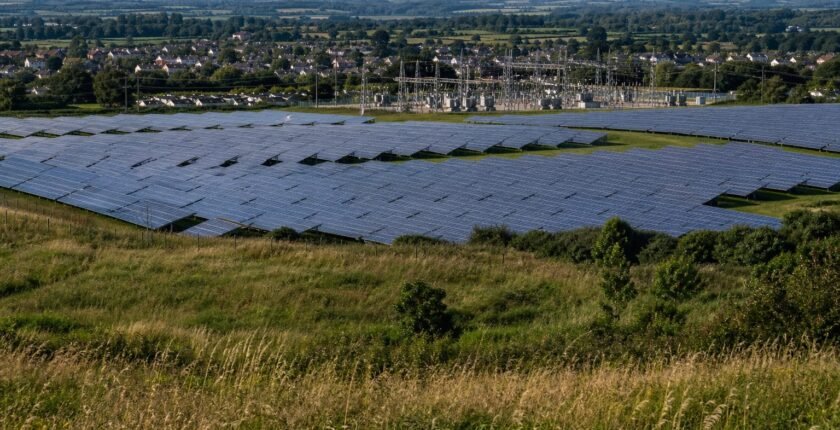
Estimated reading time: 6 minutes · Last updated: 2026-08-22
CPS Energy is expanding a community solar program that lets customers buy panels installed offsite by Big Sun Solar and receive a bill credit for the power those panels produce. Each commercial-grade panel in the program has a 620-watt capacity, costs $1,240 to buy and is offered under a 20-year program term; Big Sun Solar estimates a panel will reduce a customer's bill by about $115 a year and about $2,300 over 20 years. The utility and Big Sun Solar said customers would sell electricity to CPS Energy at 10¢ per kilowatt-hour, while CPS Energy retail sales typically run 12 to 13¢/kWh, and the program will eventually offer up to 50 megawatts of capacity. Jasper Kenzo Sundeen reported these details as first reported by the San Antonio Report.
“Let’s say you rent a house. Let’s say you don’t want to cut down trees,” Miggins said. “Let’s say your roof faces the wrong direction … let’s say you don’t like how solar panels look or you don’t know how long you’ll live somewhere.”
Robert Miggins
Key takeaways
- Program scope: CPS Energy and Big Sun Solar will offer a community solar program with up to 50 megawatts of capacity, which CPS Energy says equals power for 10,000 homes.
- Panel cost and specs: Each commercial-grade panel in the program is listed at 620 watts and a purchase price of $1,240.
- Owner returns and term: Big Sun Solar says one panel could cut about $115 from a household's bills each year and about $2,300 across the program's 20-year term.
- Prices paid for generation: Program owners would sell electricity to CPS Energy at 10¢ per kilowatt-hour, versus CPS Energy's typical retail rate of 12 to 13¢/kWh.
Table of contents
How the community solar program works in San Antonio
The program lets any customer with a CPS account buy one or more panels that are installed at larger, shared installations rather than on a participant's roof. Big Sun Solar will install, insure and maintain the modules; owners hold title to the panels and may resell them to other prospective participants or relocate them, the company said. Robert Miggins, Big Sun Solar co-founder and CEO, framed the offer to people who cannot or prefer not to install rooftop systems — renters, shaded properties or homeowners who do not want panels on their roof.
Ownership is explicit: customers buy a numbered panel and receive bill credits for its output when CPS Energy purchases the solar generation. Miggins said the program's owners would be paid 10¢ per kilowatt-hour for that energy. He also noted that customers who install rooftop systems could sell at CPS Energy's usual 12 to 13¢/kWh rate, creating a price gap between rooftop and offsite community supply.
Key mechanics
Big Sun Solar funds installation, insurance and ongoing maintenance from customers' upfront purchases and by taking a small share of the revenue from power sales to CPS Energy; Miggins would not disclose the size of that fraction.
Costs, estimated savings and contract length
Big Sun Solar lists each panel at $1,240 and describes the modules as commercial-grade, larger than typical residential modules. The company projects a yearly reduction in electricity bills of about $115 for each panel. Over the program's stated 20-year term, Big Sun Solar puts cumulative savings from one panel at about $2,300.
These figures come from Robert Miggins's comments about the product and the company's pricing and savings estimate; they are the financial inputs a prospective buyer would weigh before making a purchase. The program requires either a $100 refundable deposit to join a waitlist or immediate purchase to secure panels, per the sign-up route Big Sun Solar provides on its website.
Ownership and resale
Panel owners retain legal ownership and may sell panels to other customers on a waitlist or move them to another location, giving buyers an explicit property interest rather than a subscription.
Scale, rollout and where panels will be placed
The program follows a 2019 pilot that Miggins said made five megawatts available and sold out. The new offering will scale to 50 megawatts and will be rolled out in two phases: an initial 20-megawatt build and, if successful, expansion to the full 50 megawatts. CPS Energy describes 50 megawatts as enough power for 10,000 homes.
Phase one panels will be installed first on the San Antonio Food Bank roof under a lease to Big Sun Solar; subsequent builds will use rented land in Bexar County selected for good sun exposure. Big Sun Solar estimates phase one will include around 39,000 panels and the full 50-megawatt build roughly 100,000 panels, figures the company presented for planning and marketing.
Pilot and scaling
The company ran a smaller pilot in 2019 and announced plans for a larger development in 2023; the current rollout repeats that phased approach.
What customers should consider before buying panels
The program lowers the barrier to solar ownership for people who lack suitable roofs but shifts some economics compared with rooftop installations. Buyers will get generation credits at 10¢/kWh, per Miggins, while rooftop owners can access CPS Energy's typical 12 to 13¢/kWh rate. That price gap matters for payback timing and lifetime returns.
Other decisions include resale liquidity — owners can list panels to a waitlist — and the long, 20-year horizon for the product. Because Big Sun Solar retains responsibility for maintenance and insurance, buyers must weigh lower upfront complexity against the undisclosed fraction of generation revenues the installer retains to fund those services.
Customer fit
Miggins summed up the target buyer: renters or homeowners with unsuitable roofs, those who do not want panels on their homes, or people who expect to move before long.
| Project | Capacity (megawatts) | Approx. panels | Location / status |
|---|---|---|---|
| 2019 pilot | 5 | Sold out, Miggins said | |
| Phase one | 20 | around 39,000 | San Antonio Food Bank roof; then rented land |
| Full program | 50 | roughly 100,000 | Rented land in Bexar County; scaling after phase one |
How the program could play out
The case for
- Expands access: the program gives renters and shaded properties a route to own solar generation without rooftop installation.
- Scales existing demand: a sold-out five-megawatt pilot and a planned 50-megawatt capacity suggest resident interest could support rapid enrollment and construction.
The case against
- Price differential: owners in the community program would sell energy at 10¢/kWh, below the 12–13¢/kWh available for rooftop sellers, which could slow uptake among buyers focused on returns.
- Undisclosed revenue share: Big Sun Solar has not disclosed the precise fraction it keeps from generation revenues, leaving an unclear effect on net owner returns.
What to be careful about
- Buyers face a lower per-kilowatt-hour payment (10¢/kWh) than rooftop sellers (12–13¢/kWh), which reduces cash returns.
- The company has not disclosed the exact share it takes from generation revenue, making total net returns for owners uncertain.
- The program depends on leased roof and land agreements; changes to those leases could affect panel operation or relocation.
- Resale liquidity is untested: owners can sell to a waitlist, but the price and timing of any resale are unspecified.
The bottom line
CPS Energy's expanded community solar offer, built and operated with Big Sun Solar, creates an ownership route for customers who cannot or prefer not to install rooftop panels. The program packs concrete figures — 620-watt commercial panels for $1,240, a 20-year term, and an owner payment of 10¢/kWh — into a buy-and-own product that Big Sun Solar will install and maintain. The economics are transparent in headline numbers, but prospective buyers should seek the company’s full revenue-share details, construction and operation timelines, and the panel-count math behind the phase estimates before committing. Those missing data points will determine whether the program is primarily an access play, a modest investment, or both.
What to watch
- Watch for CPS Energy and Big Sun Solar to announce a construction completion date for phase one; no date has been set.
- Watch whether phase one moves the program to the full 50-megawatt build; no date has been set.
- Watch for disclosure from Big Sun Solar on the exact fraction of generation revenue it retains; no date has been set.
Frequently asked questions
Who can join the community solar program?
Any customer with a CPS Energy account can participate, Robert Miggins said; the program is open to residential customers but accepts anyone with a CPS account.
How much does a panel cost and what are the expected savings?
Big Sun Solar lists each panel at $1,240, estimates about $115 in bill reductions per year per panel, and projects roughly $2,300 in savings over the 20-year program term.
What rate do owners receive for the electricity their panels produce?
Miggins said owners would sell electricity to CPS Energy at 10¢ per kilowatt-hour; he contrasted that with CPS Energy's typical retail rate of 12 to 13¢/kWh for customers who install rooftop systems.
Related reading
This article is information, not financial advice. Anyone acting on it should do their own checks.