
Blog
Tanzania opens $2.9bn Julius Nyerere hydropower plant
Estimated reading time: 5 minutes · Last updated: 2026-08-23
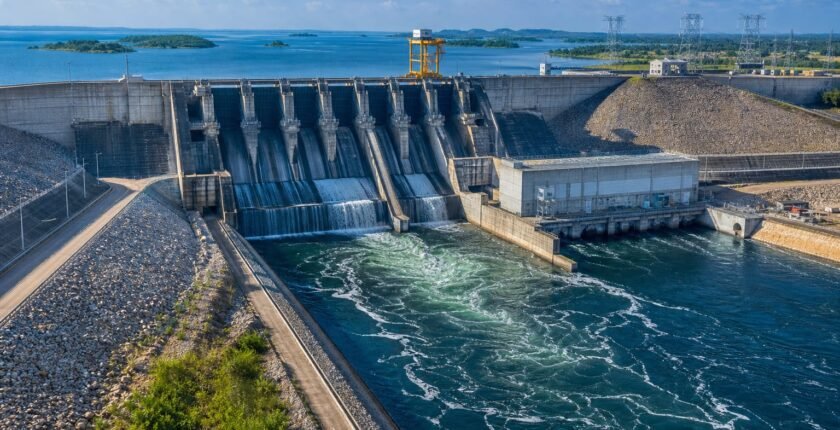
Tanzania inaugurated the $2.9bn Julius Nyerere Hydropower Plant, which adds 2115 megawatts (MW) of generation to the national grid and is now feeding electricity through a 400-kilovolt switchyard. Egyptian firms Arab Contractors and Elsewedy Electric led construction under an Egyptian consortium that completed the facility in about 42 months. The main concrete dam is 1036 metres long and 131 metres high and creates a reservoir with a capacity reported as 34 bn cubic metres, while the power station uses nine water turbines rated at 235 MW each. President Samia Suluhu Hassan and Egypt’s Mostafa Madbouly attended the inauguration.
Key takeaways
- Cost and capacity: The project cost $2.9bn and provides 2115 megawatts (MW) of new capacity for Tanzania.
- Builder and timeline: An Egyptian consortium led by Arab Contractors and Elsewedy Electric completed construction in about 42 months.
- Dam and reservoir: The concrete dam is 1036 metres long, 131 metres high and retains a reported 34 bn cubic metres of water.
- Generation and grid connection: Nine turbines of 235 MW each feed power via a 400-kilovolt switchyard and the Chalinze 1 and Chalinze 2 transmission lines.
Table of contents
- Key takeaways
- What the plant is and who built it
- Design: dam, reservoir and turbines
- Ceremony, diplomatic context and parties present
- How the plant ties into Tanzania’s grid and economy
- Operational picture and immediate outputs
- Near-term case for and against the plant’s impact
- What to be careful about
- Frequently asked questions
What the plant is and who built it
The Julius Nyerere Hydropower Plant is a large-scale hydroelectric facility constructed on the Rufiji River and delivered by an Egyptian consortium made up of Arab Contractors and Elsewedy Electric. The build is reported to have cost $2.9bn and to have been completed in about 42 months, a schedule the consortium cited at the inauguration.
Officials describe the installation as a national-scale power source: the station adds 2115 megawatts (MW) to Tanzania’s supply and connects to the transmission network through a 400-kilovolt switchyard. On site, President Samia Suluhu Hassan and Egyptian Prime Minister Mostafa Madbouly took part in the unveiling, accompanied by senior Tanzanian and Egyptian ministers and company executives.
Design: dam, reservoir and turbines
The main concrete dam at the project stretches 1036 metres and rises 131 metres above the riverbed, and it links the river banks with a crest bridge. Behind that barrier the plant retains a reservoir reported at 34 bn cubic metres, managed with seven spillway gates to control flows.
The power house houses nine large water turbines, each specified at 235 MW, which combine to deliver the project’s rated 2115 megawatts (MW). Electricity from the turbines is routed to a 400-kilovolt switchyard on site, then exported into the grid via the Chalinze 1 and Chalinze 2 transmission lines.
Ceremony, diplomatic context and parties present
Tanzania’s President Samia Suluhu Hassan and Egypt’s Mostafa Madbouly attended the launch; Madbouly delivered messages from President Abdel Fattah Al-Sisi on behalf of Cairo. The Egyptian delegation named in the opening includes Minister of Water Resources and Irrigation Hani Sewilam, Minister of Housing Randa El-Minshawy, Alexandria Governor Ayman Attia, Egyptian Ambassador Sherif Ismail, Arab Contractors Chairperson Ahmed El-Assar, and Elsewedy Electric CEO Ahmed Elsewedy.
On the Tanzanian side the ceremony included Vice President Emanuel John Nchimbi, Zanzibar President Hussein Ali Mwinyi, Prime Minister Mwigulu Nchemba, the speaker of parliament, the chief justice, the energy minister and the head of the parliamentary energy committee. The attendance underlines the bilateral emphasis the two governments place on the project and on further economic cooperation.
How the plant ties into Tanzania’s grid and economy
With 2115 megawatts (MW) of new capacity entering the system, the plant represents a step-change in Tanzania’s generation mix and has the potential to relieve supply constraints in the short term. The project’s 400-kilovolt switchyard and the Chalinze 1 and Chalinze 2 lines are the named conduits for exporting bulk power from the site into the national grid.
The inauguration text links the project to broader plans for trade and investment between Tanzania and Egypt, listing sectors such as construction, ports, logistics, agriculture and energy where further cooperation is expected. That diplomatic framing means the plant is not merely a generation asset but also a focal point for bilateral commercial engagement.
Operational picture and immediate outputs
Project statements say the plant is now operational and feeding power into the grid through the Chalinze lines, and the nine turbines of 235 MW each are the machines delivering that output. The inauguration presented the facility as a completed asset; public reports name the dam measurements, reservoir size and the 400-kilovolt grid interface as the principal technical data.
While the plant is reported as operational, routine commissioning steps such as sustained full-capacity runs, meter reconciliation and grid stability tests typically follow major hydropower starts; those steps determine how quickly the installed 2115 megawatts (MW) becomes firm, dispatchable supply on a day-to-day basis.
Near-term case for and against the plant’s impact
The case for
- The new 2115 megawatts (MW) of capacity could lower Tanzania’s reliance on imported or thermal generation if dispatch and transmission allow steady deliveries to population and industry.
- Bilateral momentum generated at the inauguration may attract Egyptian firms into follow-on projects in transport, logistics and power-grid works, supporting investment and jobs linked to the plant.
The case against
- Integration risk from the grid side—especially bottlenecks on the Chalinze 1 and Chalinze 2 corridors—could delay the plant delivering sustained, full-capacity supply.
- Large reservoirs require ongoing water management; seasonal variations or competing water uses could constrain usable output compared with nameplate figures.
What to be careful about
- Transmission and grid-integration: the Chalinze 1 and Chalinze 2 lines are the named export routes and could become constraining points for delivering the full 2115 megawatts (MW).
- Hydrology and reservoir management: the project’s reported 34 bn cubic metres of storage requires operational rules; fluctuations in inflow could limit generation compared with installed capacity.
- Geopolitical framing: the high-profile Egyptian role and references to Nile Basin diplomacy mean regional politics could influence future cooperation or project extension decisions.
The bottom line
The Julius Nyerere Hydropower Plant is now an operational, large-scale generation asset for Tanzania, supplying a reported 2115 megawatts (MW) to the national grid and built by Egyptian firms Arab Contractors and Elsewedy Electric at a stated cost of $2.9bn. The project’s technical data—the 1036-metre, 131-metre dam, the 34 bn cubic metres reservoir, nine 235 MW turbines and a 400-kilovolt switchyard tied to the Chalinze 1 and Chalinze 2 lines—sets the parameters for both its opportunity and its near-term risks. The next practical steps to watch are sustained output figures and any grid upgrades reported for the Chalinze corridors.
What to watch
- Watch for government publication of the plant’s first sustained monthly generation and dispatch figures; no date has been set.
- Watch for official statements on grid reinforcements on the Chalinze 1 and Chalinze 2 corridors; no date has been set.
Frequently asked questions
How much power does the Julius Nyerere Hydropower Plant add?
The plant adds 2115 megawatts (MW) of rated capacity to Tanzania’s grid, delivered by nine turbines each rated at 235 MW.
Who built the plant and how long did it take?
An Egyptian consortium led by Arab Contractors and Elsewedy Electric constructed the facility, which the sources report was completed in about 42 months.
What are the dam and reservoir specifications?
The main concrete dam measures 1036 metres in length and 131 metres in height and creates a reported 34 bn cubic metres reservoir managed with seven spillway gates.
Related reading