
Blog
Centre backs new J&K hydropower projects, Sawalkot eyed
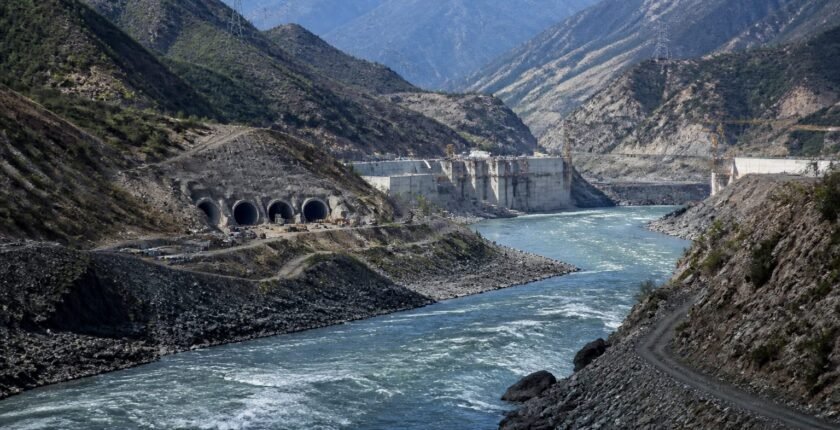
Estimated reading time: 4 minutes · Last updated:
Union Power Secretary Pankaj Agarwal told reporters in Srinagar that the Centre is considering fresh hydropower work in Jammu and Kashmir and has flagged the Sawalkot site for future action. He named ongoing large projects—Ratle, Pakal Dul, Kiroo and Kwar—as making steady progress and said the Union Territory administration is giving full cooperation. Agarwal also noted J&K’s identified hydropower potential of around 14,500 MW and linked the projects to both local supply needs and additional electricity for other parts of India. Chenab Valley Power Corporation Limited, established jointly by the Centre and the Jammu and Kashmir administration, is carrying out the work.
We are already working on big projects like Ratle, Pakal Dul, Kiroo, Kwar. And we are making good progress. And we are getting the full support of the UT administration. We will also think about other new projects,
Pankaj Agarwal
Key takeaways
- Union Power Secretary Pankaj Agarwal said the Centre is considering new hydropower projects in Jammu and Kashmir and has discussed Sawalkot.
- Agarwal named Ratle, Pakal Dul, Kiroo and Kwar as ongoing projects that are progressing.
- The article cites Jammu and Kashmir's identified hydropower potential at around 14,500 MW.
- Chenab Valley Power Corporation Limited, formed as a partnership between the Centre and the Jammu and Kashmir administration, is developing the projects.
Table of contents
- Key takeaways
- What the Centre told reporters in Srinagar
- How the projects map to J&K’s generation potential
- Who is developing the projects and related programmes
- What Agarwal left open and the immediate next steps
- Near-term upside and downside to project delivery
- What to be careful about
- Frequently asked questions
What the Centre told reporters in Srinagar
Pankaj Agarwal, Union Power Secretary, spoke to reporters in Srinagar and said the Centre intends to keep expanding its hydropower programme in Jammu and Kashmir. He listed Ratle, Pakal Dul, Kiroo and Kwar as large projects on which work is already under way and described progress on those schemes. Agarwal added that Sawalkot has been discussed and that the Centre “definitely want[s] to work on this project in the future.”
Agarwal framed the ongoing construction and the potential new starts as measures to meet the Union Territory’s own electricity demand while also supplying power beyond the region. He credited the local administration with providing cooperation for the projects and repeated that the schemes are being progressed through Chenab Valley Power Corporation Limited.
How the projects map to J&K’s generation potential
The secretary’s remarks placed the active projects against an estimated regional resource: the piece cites Jammu and Kashmir’s identified hydropower potential at around 14,500 MW. That figure underpins the argument Agarwal was answering, namely why the UT still imports power despite its riverine resources. Completing large plants such as Ratle and Pakal Dul would begin to convert part of that theoretical capacity into firm generation.
Turning potential into delivered megawatts requires both construction of dams and plants and the supporting transmission and distribution capacity. Agarwal pointed to multiple central schemes and local cooperation as the mechanism by which generation capacity will be increased and fed into the broader grid.
Who is developing the projects and related programmes
The projects named by Agarwal are being developed through Chenab Valley Power Corporation Limited, which official records list as a company formed jointly by the Centre and the Jammu and Kashmir administration. That company is the implementing vehicle referenced for the set of major schemes cited in Srinagar.
Agarwal’s visit also covered allied power-sector work: he stopped at a Seva Setu Abhiyan camp in Rajbagh set up under the PM Surya Ghar Muft Bijli Yojana, and he reviewed activity under the Revamped Distribution Sector Scheme and the rooftop solar programme. Those distribution and behind-the-meter initiatives are presented as contemporaneous government efforts that sit alongside large hydro construction.
What Agarwal left open and the immediate next steps
On Sawalkot the secretary spoke only of discussion and intent: he said the Centre is thinking about the project and wants to take it up in the future. No capacity estimate, approval date or implementation timetable for Sawalkot is provided in the account, so any move from discussion to formal sanction will be a clear milestone to watch.
For the named ongoing projects, the public signal is that work is continuing with UT support. The article does not give commissioning dates or staged capacities for Ratle, Pakal Dul, Kiroo or Kwar; it confines itself to progress as an assessment and the role of the joint-venture developer.
| Project | Status (as reported) | Developer |
|---|---|---|
| Ratle | Progressing | Chenab Valley Power Corporation Limited |
| Pakal Dul | Progressing | Chenab Valley Power Corporation Limited |
| Kiroo | Progressing | Chenab Valley Power Corporation Limited |
| Kwar | Progressing | Chenab Valley Power Corporation Limited |
| Sawalkot | Under discussion / to be taken up in future | Chenab Valley Power Corporation Limited |
Near-term upside and downside to project delivery
The case for
- Named projects—Ratle, Pakal Dul, Kiroo and Kwar—are described by the Union Power Secretary as progressing, which supports near‑term construction continuity.
- The Jammu and Kashmir administration is cited as providing full cooperation, reducing a common source of delay for large infrastructure schemes.
The case against
- Sawalkot is at the discussion stage with no capacity, approval or timeline provided, so any benefits from that site are contingent on future decisions.
- The article provides no commissioning dates; converting identified potential into operational megawatts therefore depends on future clearances, financing and implementation milestones that are not yet public.
What to be careful about
- Key projects lack published commissioning schedules in the piece, so delivery timing is uncertain.
- Sawalkot is explicitly described only as under discussion, so any planning or approvals for that site remain pending.
- Realising the cited 14,500 MW potential requires multiple construction and grid-integration steps not detailed in the account.
The bottom line
The secretary’s comments make two points clear: major Chenab Valley projects already have momentum, and the Centre has put Sawalkot on its agenda without committing capacity or dates. The 14,500 MW figure cited in the account frames the scale of opportunity, but the article supplies no commissioning timetable or site-by-site capacities. That leaves the immediate story anchored in intent and progress rather than deliverables; readers and stakeholders should expect the next concrete indicators to be formal approvals, project sanctions from the developer and published commissioning targets.
What to watch
- Watch for a formal Centre decision to approve Sawalkot; no date has been set.
- Watch for progress updates or commissioning targets for Ratle, Pakal Dul, Kiroo and Kwar; no specific dates were provided.
- Watch for any public release from Chenab Valley Power Corporation Limited detailing capacities or timetables; no date has been set.
Frequently asked questions
Which projects did the Centre name as actively progressing?
Union Power Secretary Pankaj Agarwal named Ratle, Pakal Dul, Kiroo and Kwar as large projects on which work is progressing.
What is the stated hydropower potential of Jammu and Kashmir?
The piece cites an identified hydropower potential for Jammu and Kashmir of around 14,500 MW.
Who is developing the projects named by the secretary?
Chenab Valley Power Corporation Limited is identified in official records as a joint undertaking of the Centre and the Jammu and Kashmir administration and is developing the projects.
Related reading