
Blog
Sungrow to Build 10 GWh Storage Plant in Egypt
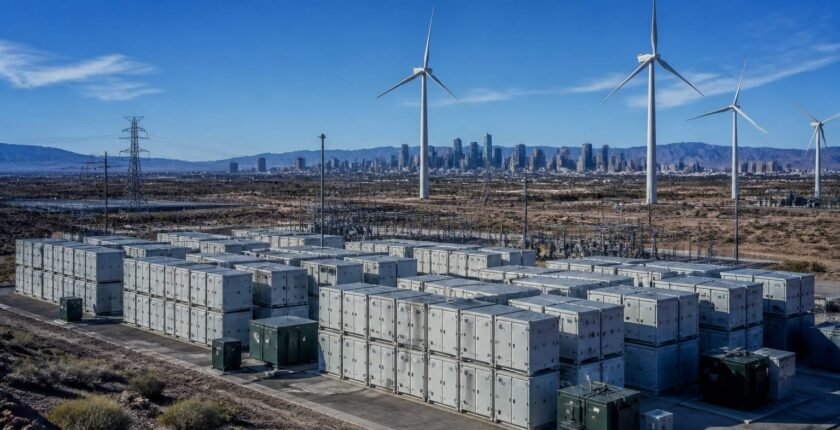
Estimated reading time: 4 minutes · Last updated:
Sungrow Power Supply Co., Ltd. has launched a manufacturing facility in Egypt’s Suez Canal Economic Zone with a planned annual production capacity of 10 GWh and operations set to begin in June 2027. The company says the facility’s initial output will support the Sustainable Energy Valley project in Minya Governorate through a 4 GWh supply agreement with the project partners. These details were reported as first reported by S&P Capital IQ and outline Sungrow’s move to combine local manufacturing with project-backed deliveries in Egypt.
Key takeaways
- Planned capacity: Sungrow’s new plant in the Suez Canal Economic Zone has a planned annual production capacity of 10 GWh.
- Start date: Operations at the facility are set to begin in June 2027.
- Committed supply: Sungrow will supply 4 GWh of energy storage systems to the Sustainable Energy Valley project in Minya Governorate.
- Recent project delivery: Sungrow supported commissioning of Abydos Phase II with 1.2 GW of PV capacity and 720 MWh of energy storage in Aswan Governorate.
Table of contents
- Key takeaways
- What Sungrow is building in Egypt and when it will run
- How the new plant links to projects already under way
- Why local manufacturing matters for Egypt’s energy rollout
- What the capacity figures mean for supply and next steps
- Cases for and against the plant accelerating Egypt’s storage rollout
- What to be careful about
- Frequently asked questions
What Sungrow is building in Egypt and when it will run
Sungrow Power Supply Co., Ltd. has established an energy storage manufacturing facility in the Suez Canal Economic Zone. The company describes the site as having a planned annual production capacity of 10 GWh and says operations are scheduled to start in June 2027. The facility’s early production is intended to back a named local project, giving Sungrow a direct path from factory to field in Egypt.
The plant’s location in the Suez Canal Economic Zone places it on a major shipping and logistics artery, which Sungrow and local partners expect to exploit for regional distribution. The company has specified that an initial tranche of output — 4 GWh of energy storage systems — will be allocated to the Sustainable Energy Valley project in Minya Governorate, a joint effort between the Egyptian government and Norwegian renewables firm Scatec.
How the new plant links to projects already under way
Sungrow’s announcement ties the new factory to two concrete project roles. First, the company will dedicate 4 GWh of systems to the Sustainable Energy Valley project in Minya Governorate. Second, Sungrow recently supported commissioning of Abydos Phase II in Aswan Governorate by supplying 1.2 GW of PV capacity and 720 MWh of energy storage.
The text reporting these figures frames Abydos Phase II as a major integrated solar-plus-storage site. The combination of local manufacturing and recent project deliveries signals Sungrow’s strategy of pairing factory output with named, hosted projects in Egypt rather than relying solely on exports.
Why local manufacturing matters for Egypt’s energy rollout
Putting a storage factory inside the Suez Canal Economic Zone reduces the transport step between production and deployment for projects in Egypt and neighbouring markets. Local assembly or final integration shortens logistics chains, which can cut lead times for project developers and reduce handling costs associated with large battery systems. That dynamic matters where project timetables are tight and grid connections must be synchronised with equipment deliveries.
The Sustainable Energy Valley project is presented as a policy-backed programme involving the Egyptian government and Scatec. Having a named supplier with local production capacity helps anchor project schedules: the announced 4 GWh commitment comes from the same company that will operate nearby manufacturing capacity, lowering the risk that equipment is delayed by international shipping or customs hold-ups.
What the capacity figures mean for supply and next steps
Sungrow’s 4 GWh commitment amounts to a material slice of the factory’s stated output. Using the plant’s planned 10 GWh annual capacity as the base, the pledged delivery to Sustainable Energy Valley represents about 40% of annual production, which would leave capacity for additional local or export orders if the plant runs to plan.
Operational risk remains calendar-based: the firm sets June 2027 as the start of operations, so construction and commissioning milestones will determine when the production mix flows from pilot runs to full-year output. Project stakeholders and buyers will be watching production ramp metrics and the sequencing of deliveries tied to the Minya project’s construction schedule.
Cases for and against the plant accelerating Egypt’s storage rollout
The case for
- Local production reduces logistics friction and should shorten delivery times for nearby projects.
- A named 4 GWh supply to Sustainable Energy Valley locks a portion of output to a government-backed programme and supports project certainty.
The case against
- A June 2027 start date creates near-term execution risk if construction or commissioning encounters delays.
- If the plant runs below planned throughput, export ambitions or further local commitments could be constrained by available capacity.
What to be careful about
- Construction or commissioning delays that push back the June 2027 operations start.
- Failure to meet the 4 GWh delivery schedule to the Sustainable Energy Valley project.
- Dependence on regional permitting, local grid readiness and logistics in the Suez Canal Economic Zone.
The bottom line
Sungrow’s new factory in the Suez Canal Economic Zone ties local manufacturing to named Egyptian projects and establishes a clear timeline: operations are scheduled to start in June 2027 and 4 GWh of early output is allocated to the Sustainable Energy Valley project. If the plant reaches its planned 10 GWh annual capacity, the committed 4 GWh will represent a significant guaranteed offtake and should shorten delivery lead times for major projects in Egypt. The near-term question is execution: construction, commissioning and delivery sequencing will determine whether the factory’s potential is realised on the timetable set out.
What to watch
- Watch for Sungrow to begin operations at the Suez Canal Economic Zone plant in June 2027.
- Watch for phased deliveries of the 4 GWh to the Sustainable Energy Valley project; no date has been set for the delivery schedule.
Frequently asked questions
How large is Sungrow’s planned plant in Egypt?
Sungrow says the facility has a planned annual production capacity of 10 GWh and that operations are set to begin in June 2027.
What portion of the plant’s output is already allocated to a project?
Sungrow will supply 4 GWh of energy storage systems to the Sustainable Energy Valley project in Minya Governorate, which is about 40% of the plant’s stated 10 GWh annual capacity.
What recently completed project did Sungrow support in Egypt?
Sungrow supported commissioning of Abydos Phase II in Aswan Governorate by supplying 1.2 GW of PV capacity and 720 MWh of energy storage.
Related reading