
Blog
RBC Buys Chestnut Carbon IFM CDR Credits
Estimated reading time: 5 minutes · Last updated:
Royal Bank of Canada has purchased carbon credits sourced from Chestnut Carbon’s improved forest management carbon credits portfolio in the United States, a deal announced on 10 September 2026. The purchase channels capital to private landowners enrolled in Chestnut projects and underwrites stewardship actions such as longer harvest rotations, retention of large trees, strategic thinning and prescribed burns. Chestnut says its operations have enabled the conservation of 200,000 acres to date and that it has recruited landowners across 37 U.S. states during four years of market activity. The agreement ties finance to nature-based carbon removal and immediate payments for landowners.
This project is compelling to us because it makes responsible forest stewardship economically viable for landowners while delivering environmental benefits at scale across the United States.
Brian Hong, Director of Environmental Markets Solutions Group at Royal Bank of Canada
Key takeaways
- Royal Bank of Canada purchased carbon credits to be delivered from Chestnut Carbon’s improved forest management portfolio, the deal announced on 10 September 2026.
- Chestnut says its work has conserved 200,000 acres of U.S. forestland and that it has built a network spanning 37 U.S. states over four years of market activity.
- Chestnut’s IFM model pays landowners when they implement steps like lengthening harvest cycles, preserving bigger trees, undertaking targeted thinning or carrying out prescribed burns.
- RBC’s stated aim is to make forest stewardship economically viable for landowners while delivering scaled environmental benefits across the United States.
Table of contents
What the RBC–Chestnut agreement covers and why it matters
Royal Bank of Canada has agreed to buy carbon credits that Chestnut Carbon will deliver from its U.S. improved forest management portfolio. The bank frames the purchase as a way to provide immediate capital to private landowners while supporting longer‑term conservation outcomes. Chestnut positions the credits as pure carbon dioxide removal sourced from privately owned and at‑risk U.S. forests, and says those activities generate revenue streams that reward changed management practices.
The deal matters because it links a large financial institution to nature‑based removals and channels funding into stewardship actions on private lands. Chestnut reports it has conserved 200,000 acres so far; that scale is central to RBC’s rationale for the purchase, which the bank says aligns economic incentives with healthier forests. The transaction was announced on 10 September 2026.
How Chestnut’s model works in practice
Chestnut builds long‑term arrangements with landowners that start with land screening and due diligence, then move to lease agreements, onsite inventory surveys and regular monitoring. Those on‑the‑ground inventory and measurement steps lead to credits being issued and sold, with revenue shared with participating landowners. The company says this chain of work is essential to turning altered management into monetised removals.
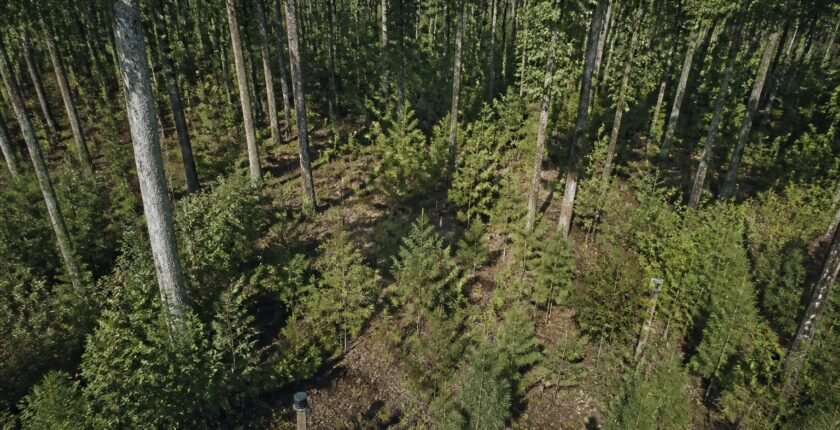
The firm highlights specific practices it supports: extending harvest rotations, keeping larger trees, strategic thinning, improving stand structure and using prescribed burns to lower wildfire risk. Chestnut says its network of landowners now spans 37 U.S. states after four years of activity, and that annual verification and audit measurements are part of the issuance process.
Standards, delivery and market limitations
Chestnut has linked its credits to market frameworks for nature‑based removals and has previously issued IFM credits with a removals tag, but the public summary of this specific RBC purchase does not disclose the tonnage, price or delivery schedule. That opacity is typical of many corporate offtake deals and leaves key market details unavailable to observers.
Verification and permanence remain core issues for buyers and auditors: Chestnut points to annual verification and audit measurements as part of its pipeline, and the company argues that the management changes it finances improve forest resistance to wildfire, drought and other disturbances. Still, buyers and stakeholders commonly probe additionality, reversal risk and the contract terms that commit landowners to changed practices over time.
| Feature | Chestnut Carbon (IFM) | RBC purchase (announced) |
|---|---|---|
| Geography | Privately owned U.S. forests across multiple states | United States |
| Scale claimed | 200,000 acres conserved to date | Not disclosed (purchase announced 10 September 2026) |
| Network size | Landowners in 37 U.S. states | Single institutional buyer (Royal Bank of Canada) |
| Key practices | Longer rotations, retention of larger trees, thinning, prescribed burns | Acquires credits generated by those practices |
| Verification | Onsite inventory, annual verification and audit measurements | Delivery and verification details not publicly disclosed |
How the deal could play out
The case for
- More capital from institutional buyers could stabilise income for private landowners and scale conservation across additional acreage.
- If verification procedures hold and contracts lock in practices, the portfolio could increase forest resilience to wildfire and drought while generating permanent removals.
The case against
- Without public disclosure of tonnage, price and contract length, it will be hard for markets to assess value and for external stakeholders to judge additionality.
- Reversal risk from major disturbances and legal or operational changes on private holdings could reduce the long‑term carbon benefit unless contracts and buffers are robust.
What to be careful about
- Purchase details (tonnes, price, term) are not public, reducing market transparency for this transaction.
- Permanence risk: forests remain exposed to wildfire, pest or climate impacts that can reverse stored carbon.
- Additionality questions may arise if baseline management practices are unclear or if payments simply replace other income sources.
- Reliance on private land contracts creates exposure to changes in ownership or local law that could affect long‑term commitments.
The bottom line
The RBC purchase ties institutional capital to Chestnut Carbon’s improved forest management pipeline and directs near‑term payments to private landowners in return for changed stewardship. Chestnut reports a 200,000‑acre footprint and a 37‑state network after four years, and the company emphasises annual measurement and verification as the backbone of issuance. The core questions that remain for market observers are the size, price and contract terms of the purchase, and how reversals and additionality will be managed; those details will determine whether the transaction becomes a replicable example of scalable, nature‑based removal finance.
What to watch
- Watch for Chestnut’s published delivery schedule and the tonnage of credits sold to RBC; no date has been set for public release.
- Watch for the next annual verification and audit measurements covering the IFM portfolio; no date has been set.
- Watch for any public filings or statements from RBC detailing the contract length or price; no date has been set.
Frequently asked questions
What are improved forest management (IFM) carbon credits?
Improved forest management carbon credits compensate landowners who change how they manage forests so those lands store more carbon over time. Chestnut cites measures such as extending the interval between harvests, retaining larger trees, employing targeted thinning and conducting prescribed burns. These practices are converted into credits after onsite inventory, ongoing monitoring and annual verification; Chestnut says its work has conserved 200,000 acres and operates across 37 U.S. states.
Who are the parties to the deal?
The buyer is Royal Bank of Canada and the seller/delivery vehicle is Chestnut Carbon; Chestnut’s commercial lead quoted in published materials is Brian DiMarino, while Brian Hong spoke for RBC about the bank’s reasons for buying credits.
How are the credits verified and issued?
Chestnut describes a process of land screening, lease agreements, onsite inventory surveys and annual verification and audit measurements before credits are issued. Chestnut has also previously issued IFM credits with a removals tag under market frameworks, though the RBC purchase does not publicly disclose the precise registry or tonnage in the announcement.
Related reading