
Blog
United Downs finds heat 3.3 miles underground
Estimated reading time: 4 minutes · Last updated:
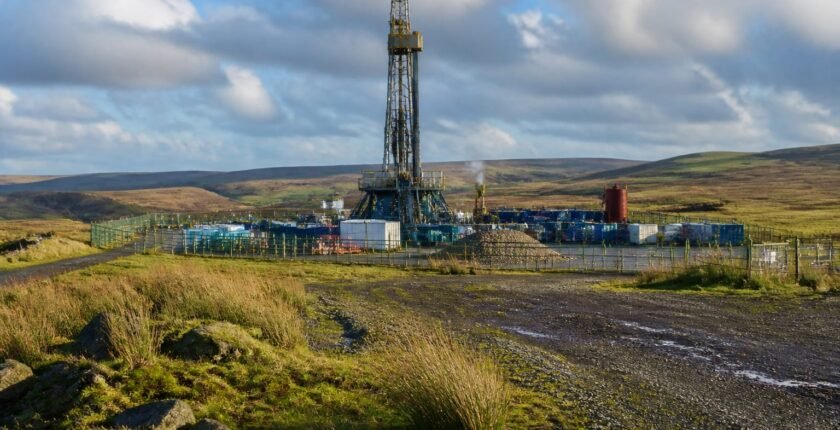
United Downs geothermal in Cornwall opened in February 2026 after wells reached about 3.3 miles (5.3 kilometers) beneath Redruth. Developed by Geothermal Engineering Limited, it is the United Kingdom’s first deep geothermal power plant and pairs electricity generation with a pilot facility to extract lithium carbonate. The site taps heat in granite along the Porthtowan Fault Zone, bringing water above 374°F (190°C) to the surface; after heat extraction the fluid cools to roughly 122°F (50°C). United Downs is designed to run 24 hours a day and is intended to deliver continuous power to several thousand homes as it trials domestic lithium production.
Key takeaways
- Project and developer: United Downs, developed by Geothermal Engineering Limited, opened in February 2026 as the UK's first deep geothermal power plant.
- Depth and temperatures: Drilling reached approximately 3.3 miles (5.3 kilometers) underground and accesses water hotter than 374°F (190°C).
- Power and lithium: The plant is designed to run 24 hours a day, supply electricity to thousands of homes, and include a facility to produce lithium carbonate from cooled geothermal fluid (~122°F/50°C).
- Strategic context: The project aims to provide a weather-independent renewable source and to test domestic lithium production amid elevated oil prices (Brent about $107, WTI near $104 as of mid-September).
Table of contents
How drilling 3.3 miles delivers continuous electricity
United Downs reaches heat buried deep beneath Cornwall by drilling into granite and tapping a faulted geological structure known as the Porthtowan Fault Zone near Redruth. The operation brings water heated to temperatures above 374°F (190°C) to the surface, and that heat is used to drive turbines and generate electricity. Because the source is geological heat rather than sunlight or wind, the plant can operate 24 hours a day and provide steady baseload supply where geology permits. The facility opened in February 2026 after the deeper wells were completed in 2019 and subsequent commissioning work, and it is intended as a demonstration of commercial-scale possibilities for deep geothermal power.
Why lithium carbonate recovery is part of the plan
At United Downs the extracted geothermal fluid is hot enough to generate electricity and, after heat extraction, cools to around 122°F (50°C). That cooler fluid still contains dissolved minerals, and the site includes a facility designed to produce lithium carbonate from those waters. Lithium carbonate is a feedstock for rechargeable batteries used in electric vehicles, and domestic recovery would test whether geothermal operations can add strategic mineral supply to steady power output. The project therefore pairs continuous electricity generation with an industrial experiment in mineral extraction rather than treating the two as separate demonstrations.
What United Downs means for UK energy security
Geothermal Engineering Limited describes United Downs as the United Kingdom’s first deep geothermal plant and it arrives amid renewed concern about oil-market volatility. Trading data from mid-September 2026 showed Brent crude near $107 a barrel and U.S. benchmark West Texas Intermediate around $104; those levels were partly linked to attacks on infrastructure and incidents that restricted maritime traffic in the Strait of Hormuz. A technology capable of producing baseload electricity regardless of weather while also testing domestic lithium extraction addresses two strategic vulnerabilities: intermittent renewable output and dependence on imported battery materials. Geothermal Engineering Limited says the project remains a demonstration, and its broader impact will depend on resource replication, costs and how quickly lithium recovery can be scaled commercially.
How United Downs could scale — positive and negative cases
The case for
- Continuous, 24-hour output from deep heat can provide baseload power where suitable geology exists.
- On-site lithium carbonate production could create a domestic source of a battery material and add revenue streams to geothermal projects.
The case against
- Replication requires matching granite heat, fault structures and successful deep drilling; geology is site-specific.
- Economic viability depends on drilling and plant costs plus the commercial performance of geothermal lithium extraction at scale.
What to be careful about
- The project depends on the Porthtowan Fault Zone delivering sustained high temperatures; resource decline would reduce output.
- Costs and technical risks of deep drilling remain substantial and affect whether similar projects can be built beyond a demonstration.
- Lithium recovery from geothermal fluid is being tested and its commercial yield and purity are not disclosed, creating uncertainty about added revenue.
The bottom line
United Downs combines deep heat and mineral recovery in a single demonstration: wells that reach about 3.3 miles tap water hotter than 374°F to deliver continuous electrical generation, and the cooled fluid is being tested for lithium carbonate extraction. The project is notable for pairing baseload renewable power with a potential domestic source of a battery material, but it remains an early proof of concept. Whether the model spreads across Britain will hinge on matching geology, drilling and plant economics, and on the commercial performance of the lithium recovery process.
What to watch
- watch for public statements or commercial plans from Geothermal Engineering Limited about scaling United Downs; no date has been set.
- watch for UK government or regulators to publish policy guidance or incentives for deep geothermal projects; no date has been set.
Frequently asked questions
What is United Downs geothermal?
United Downs is the UK’s first deep geothermal power plant, developed by Geothermal Engineering Limited near Redruth, Cornwall; it opened in February 2026 after wells reached about 3.3 miles (5.3 km).
How hot are the fluids at United Downs and how are they used?
United Downs brings water above 374°F (190°C) to the surface to drive electricity generation; after heat extraction the fluid cools to about 122°F (50°C), which the site then uses for mineral recovery tests.
Will United Downs produce lithium commercially?
Geothermal Engineering Limited says United Downs includes a facility intended to produce lithium carbonate from geothermal fluid; the company describes that operation as a demonstration and has not published expected annual lithium output or defined commercial targets.
Related reading