

Moment Energy’s Nova, a 500 kWh second-life EV battery storage block, holds UL 1973 and UL 9540 certification, with deliveries due in early 2027.

ODOT’s Ohio EV fast charging plan funds 40 sites with $31 million in NEVI money and $10 million private, each with at least four 150kW ports, due 2027.
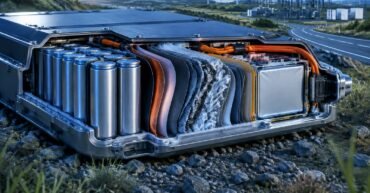
EV battery lifespan is beating lab forecasts. Stanford found stop-start driving adds up to 38% life, while fast charging and heat speed up wear.

Europe EV sales rose 36% in October 2026 as battery electric cars jumped 49%, while global EV sales grew 8% to 2.09 million, Benchmark data show.

GlobalData says Germany’s EV target of 15 million cars by 2030 needs the market to grow 35% a year, as plug-in hybrids now count toward the goal.

Allye reuses spent EV batteries in a 400 kW fast charger that tops up slowly from a site’s existing supply, letting sites avoid costly grid upgrades.

UK Euro 7 rules start in November 2027, requiring EV batteries to keep 80% capacity after five years and adding new brake and tyre wear limits.

Harbinger’s $240 million Series D will fund energy storage, power, autonomy and defense work as it builds 2,000 electric trucks for FedEx by end of 2027.

Germany’s EV share reached 37% in October 2026, KBA data shows, with 94,086 battery-electric cars outselling gasoline and diesel models combined.

California EV charging reliability rules now tie $55 million in CALeVIP incentives to approved hardware, hourly data and OCPP 2.0.1 on new fast chargers.