
Blog
Fervo brings first enhanced geothermal block online
Estimated reading time: 5 minutes · Last updated:
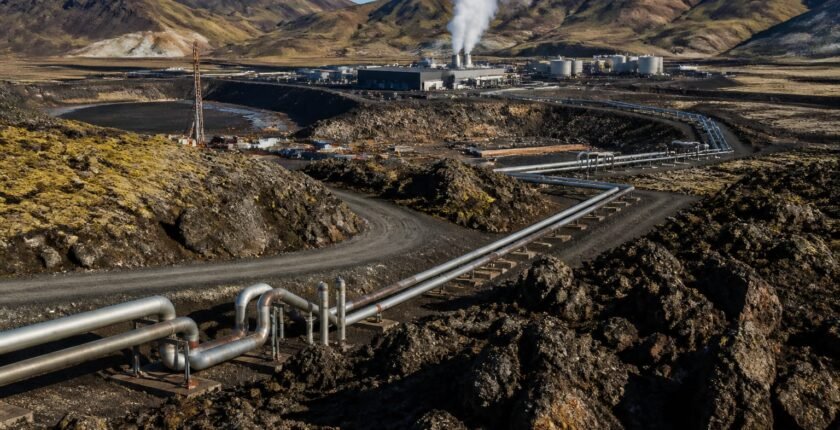
Fervo Energy began selling electricity from the first block of its Cape Station project on 30 September, reaching commercial sales after a 23-month build. Tim De Chant reported the unit synchronized with the grid about a week earlier and went live one day ahead of schedule, as first reported by TechCrunch. That operating portion is one of three segments that together will form a 100-megawatt power plant when complete, and Fervo has said the full site could potentially generate as much as 4 gigawatts of electricity. Fervo was founded in 2017 and completed an IPO in May that raised $1.9 billion.
No team has ever built a project like this anywhere in the world, and we did it ahead of schedule.
Tim Latimer, co-founder and CEO, Fervo Energy
Key takeaways
- Commercial start: Fervo began selling electricity from Cape Station’s first block on September 30 after synchronizing with the grid about a week earlier.
- Project scale: The operating section is the first third of a planned 100-megawatt power plant, and Fervo says the Cape Station site could support up to 4 gigawatts.
- Build speed: It took 23 months to build and bring the initial block into commercial service, and Fervo aims to complete future blocks in as little as 18 months.
- Customers and finance: Google and Southern California Edison have committed to buying power from Cape Station; Fervo raised $1.9 billion in a May IPO.
Table of contents
What Fervo put into operation and how fast it was built
Fervo says its Cape Station plant began delivering electricity to the grid on September 30, bringing the project’s initial commercial block into service. The company reported the block synchronized with the grid about a week before sales began and that the handover occurred one day ahead of schedule. From groundbreaking through to commercial operation the company took 23 months to complete that first block, and Fervo has publicly stated it expects to shorten that interval to as little as 18 months for subsequent blocks.
The live section is described by Fervo as the first third of a 100-megawatt facility. That phased approach lets the developer add capacity in stages rather than waiting for a single, large completion date. The rollout cadence is central to the company’s sales pitch to large energy buyers that need steady, incremental capacity additions.
Why this is called enhanced geothermal and the resource upside
Fervo and its peers use deeper drilling and reservoir stimulation to reach hotter rock than is tapped by traditional geothermal fields. The company framed the approach as enabling development in a much broader set of locations because deeper rock temperatures increase the available resource. In public statements Fervo says the Cape Station site could support as much as 4 gigawatts of generation, a figure the company has used to illustrate the scale of opportunity beneath certain basins.
This deeper-drilling model borrows techniques from oil and gas work that Fervo’s founders used when they created the firm in 2017. The company also points to phased construction — blocks tied to discrete wellfield footprints — as a way to manage technical risk while growing capacity over time.
Commercial traction, funding and what operators want
Fervo has secured offtake commitments from major buyers and raised large-scale capital to back buildout. The company says Google, Southern California Edison and other buyers have committed to purchasing power from Cape Station. Public disclosures show Fervo completed an IPO in May that raised $1.9 billion, and as a private startup it had previously raised more than $1.3 billion from investors including Breakthrough Energy Ventures, Congruent Ventures and Capricorn Investment Group.
That mix of customers and capital matters because Fervo is pitching speed to market as a commercial advantage. The company argues hyperscale data center operators value rapid, phased additions of reliable baseload capacity; reaching a first revenue-generating block in 23 months is the case study Fervo is using when talking to potential buyers and partners.
How this can play out
The case for
- Faster block build times reduce upfront capital risk and make phased sales to data centers and utilities easier to sign.
- The 4 gigawatt resource claim, if verified, opens large-scale industrial deployment options and sizeable long-term revenues.
The case against
- Scaling from a single block to dozens would multiply drilling, stimulation and wellfield management challenges that have not yet been demonstrated at scale.
- Operational issues, permitting or slower-than-expected drilling cycles could push future block completions well beyond the 18-month target.
What to be careful about
- The company’s 4 gigawatt potential is a project-level resource claim that requires verification against reservoir studies and permitting outcomes.
- Moving from demonstration to series development increases exposure to drilling cost inflation and supply-chain delays for specialized equipment.
- Offtake commitments are cited but the schedule and start dates for deliveries to Google and Southern California Edison are not detailed in public statements.
- Regulatory or local permitting hurdles could slow construction of additional blocks despite the initial 23-month run.
The bottom line
The Cape Station milestone marks a first commercial step for Fervo’s enhanced geothermal approach: a revenue-generating block delivered after 23 months and synchronized to the grid. The company frames the result as validation of a phased, faster-build model and points to a 100-megawatt facility target at the site and a wider 4 gigawatt potential. Those claims strengthen Fervo’s pitch to large buyers such as Google and Southern California Edison and underpin recent capital raises, but they also leave clear verification tasks: published reservoir studies, concrete delivery schedules and the actual MW of the first block. Those details will determine whether the initial success can be repeated at scale.
What to watch
- Watch for Fervo to bring the second block at Cape Station online; no date has been set.
- Watch for Fervo to report reaching the full 100-megawatt capacity at Cape Station; no date has been set.
- Watch for the start of physical deliveries under the offtake commitments to Google and Southern California Edison; no date has been set.
Frequently asked questions
What exactly did Fervo put into service on September 30?
Fervo began selling electricity from the first operational block of its Cape Station project on September 30 after synchronizing that block with the grid about a week earlier; the company calls that section the first third of a planned 100-megawatt plant.
Why is this project described as enhanced geothermal?
Enhanced geothermal uses deeper drilling and reservoir stimulation to reach hotter rock than near-surface geothermal; Fervo says that approach, combined with oil-and-gas drilling methods, can open up larger resource areas such as the site it claims could support up to 4 gigawatts.
Who has committed to buying Fervo’s power and how is the company funded?
Fervo says Google and Southern California Edison have committed to buying power from Cape Station; the company raised $1.9 billion in an IPO in May and had previously raised more than $1.3 billion from investors including Breakthrough Energy Ventures, Congruent Ventures and Capricorn Investment Group.
Related reading