
Blog
Flambeau Hydroelectric 20 MW plant offline amid drought
Estimated reading time: 5 minutes · Last updated:
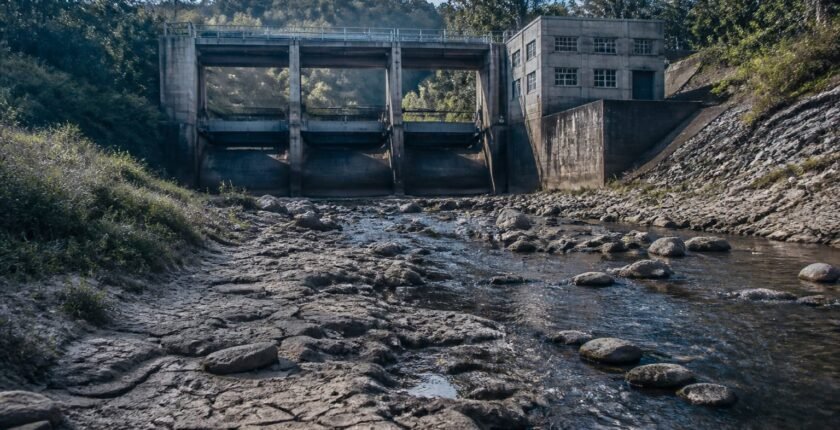
Dairyland Power Cooperative has taken its 20 MW Flambeau Hydroelectric Station offline after Flambeau River flows fell to an estimated 270 cubic feet per second (CFS), below the roughly 400 CFS the plant needs for safe generation. The cooperative says it will keep the station idle until flows rise and conditions permit a restart, and it is coordinating with the Wisconsin Department of Natural Resources, as first reported by Energies Media. Dairyland serves a four-state wholesale territory and supplies 24 distribution cooperatives and 27 municipal utilities, collectively serving roughly 700,000 to 800,000 people. The Flambeau facility has about a 75-year history in the region; Dairyland was formed in December 1941 and is headquartered in La Crosse, Wisconsin.
Key takeaways
- Dairyland Power Cooperative has taken the 20 MW Flambeau Hydroelectric Station offline because Flambeau River flows are estimated at 270 CFS, below the roughly 400 CFS required for safe generation.
- Dairyland provides wholesale power to 24 distribution cooperatives and 27 municipal utilities in Wisconsin, Minnesota, Iowa and Illinois.
- Dairyland Power Cooperative said the Flambeau station will be taken out of service until river flows rise and operating conditions are judged safe.
- Dairyland Power Cooperative was formed in December 1941 and is headquartered in La Crosse, Wisconsin.
Table of contents
Why low river flows forced Flambeau offline
Hydropower output depends on two physical inputs: head (the water column height) and flow volume. For the Flambeau facility the immediate limiter is flow on the Flambeau River. Dairyland’s notice cites current flows at an estimated 270 CFS; the cooperative and linked operational guidance identify roughly 400 CFS as the threshold below which the site cannot operate safely. When flow falls below that threshold, turbines cannot be supplied with adequate water without risking mechanical damage, insufficient cooling or unsafe intake conditions. The result is an orderly suspension of generation until engineers and regulators confirm flows have recovered to acceptable levels.
Dairyland is monitoring river conditions with the Wisconsin Department of Natural Resources and has asked recreational users—fishers and boaters—to take extra caution around the reservoir and downstream channels while levels remain low. The outage is a direct hydrological impact rather than a technical fault in the plant equipment; the station is being held in a safe standby state pending higher flows.
Short-term impacts on supply and the cooperative's territory
A single 20 MW unit is a modest component of a regional portfolio but it plays a role in local balancing and peak supply. Dairyland provides wholesale power to 24 distribution cooperatives and 27 municipal utilities across four states; the cooperative’s network serves roughly 700,000 to 800,000 people. Removing 20 MW from that mix increases reliance on other resources in the short term—dispatchable thermal units, contracted purchases, or market purchases where available.
Dairyland’s statement frames the outage as temporary and conditioned on river flows. The immediate operational response is routine for a G&T cooperative: re-dispatch generation, activate contingency contracts if necessary, and communicate with member utilities. Because the cooperative already operates a mix that includes wind, solar, gas and coal, the grid impact will depend on the season, system demand and how much spare dispatchable capacity is available on any given day.
What the outage shows about hydropower vulnerability and options
The Flambeau shutdown underscores a broader point: run-of-river and small reservoir hydropower plants are exposed to short-term weather variability and multi-year drought. Even facilities with long service histories can be forced to stop when river flows drop below operational minima, in this case roughly 400 CFS. That exposure is not a failure of hydropower technology so much as a physical constraint tied to water availability.
Operators and planners have a few options to reduce outages’ system impact: increase interconnection and contractual flexibility to source replacement energy, expand on-site storage where feasible, or invest in complementary capacity (battery storage or flexible thermal plants) to cover dry periods. None of those responses are instant; they require capital, permitting and coordination with member utilities and regulators. For now, Dairyland’s immediate lever is system re-dispatch and close coordination with the Wisconsin Department of Natural Resources while it waits for river flows to recover.
Outlook — case for and against a quick restart
The case for
- If autumn rains or seasonal runoff raise Flambeau River flows back above roughly 400 CFS, Dairyland can restart the 20 MW station once engineers verify safe intake and turbine conditions.
- Coordination with the Wisconsin Department of Natural Resources should speed the operational checks and public safety notices needed before restart.
The case against
- If drought conditions persist, flows could remain below the ~400 CFS threshold for an extended period, prolonging the outage and increasing reliance on non-hydro resources.
- Extended low flows raise environmental and recreational hazards that could delay restart even if generation thresholds are nominally met.
What to be careful about
- Prolonged low river flows that keep the Flambeau station offline beyond seasonal expectations.
- Greater short-term reliance on thermal or market purchases, raising costs for Dairyland’s members if replacement power is scarce.
- Safety and navigation hazards for fishers and boaters on the reservoir and downstream channels while levels remain low.
The bottom line
The Flambeau outage is a straightforward example of hydropower’s dependence on water: when flows fall below a plant’s operational threshold—here cited as roughly 400 CFS—operators must suspend generation to protect equipment and safety. For Dairyland the immediate task is managing supply to its members while coordinating with the Wisconsin Department of Natural Resources on river conditions and public-safety notices. Restoration hinges on hydrology: if flows rebound above the required threshold, the station can be returned to service after engineering checks; if low flows persist, the cooperative will rely longer on other generation and contractual purchases.
What to watch
- Watch for Dairyland and the Wisconsin Department of Natural Resources to announce when Flambeau River flows have returned above the roughly 400 CFS operational threshold; no date has been set.
- Watch for Dairyland to issue a notice confirming the date the Flambeau Hydroelectric Station will resume generation; no date has been set.
- Watch for safety advisories for fishers and boaters from Wisconsin DNR about reservoir and downstream conditions; no date has been set.
Frequently asked questions
How large is the Flambeau Hydroelectric Station and how long has it operated?
The Flambeau facility is a roughly 20 MW hydropower station with about a 75-year history in the region, according to Dairyland Power; Dairyland itself was formed in December 1941 and is headquartered in La Crosse, Wisconsin.
What exactly caused the plant to stop generating?
Dairyland says current flows on the Flambeau River are an estimated 270 CFS, which is below the roughly 400 CFS the plant needs for safe generation; that shortfall prevents turbine operation until flows recover.
Who does Dairyland supply and how might the outage affect customers?
Dairyland supplies wholesale power to 24 distribution cooperatives and 27 municipal utilities across four states, serving roughly 700,000 to 800,000 people; the loss of 20 MW will be managed through re-dispatch and contracted replacement power but could raise short-term reliance on non-hydro sources.
Related reading