
Blog
Record lows at Lake Powell and Lake Mead threaten hydropower
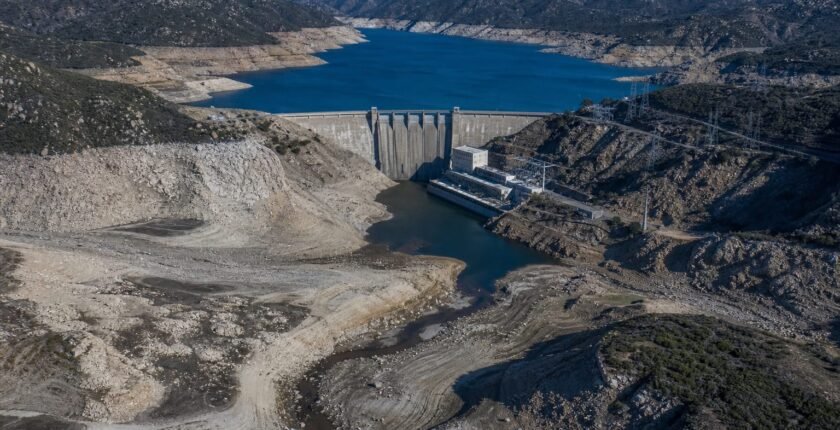
Estimated reading time: 5 minutes · Last updated: 2026-08-18
Lake Powell and Lake Mead have dropped to historic lows that are jeopardising hydroelectric output across the Colorado River system. U.S. Bureau of Reclamation data show Lake Powell at 3,519.91 feet (1,072.9 meters) and Lake Mead at 1,040.4 feet (317.1 meters), leaving Powell roughly 30 feet (9.1 meters) above the elevation where turbines would stop producing power. The shortages follow a record-dry snowpack this past winter, persistent overuse and rising temperatures, and have prompted a USBR 10-year management proposal and federal warnings that major intervention is needed to protect power generation and water supplies for tens of millions of people.
It’s extremely significant and extremely concerning. You have three-quarters of the population of the Colorado River Basin, some 30 million people, who are directly impacted by risks to Lake Mead,
J.B. Hamby, chairman of the Colorado River Board of California and an Imperial Irrigation District board member
Key takeaways
- Powell elevation: Lake Powell’s elevation fell to 3,519.91 feet (1,072.9 meters), USBR data show.
- Mead elevation: Lake Mead registered 1,040.4 feet (317.1 meters) on August 7, according to federal data.
- Hydropower threshold: Lake Powell is about 30 feet (9.1 meters) above the point at which turbines would cease producing hydroelectric power.
- People affected: The Colorado River Basin supplies water and services to more than 40 million people in seven U.S. states and, as J.B. Hamby put it, directly impacts “some 30 million people.”
- Federal response: The U.S. Bureau of Reclamation proposed a 10-year plan that includes major potential water cuts for Arizona, California and Nevada.
Table of contents
- Key takeaways
- How low are the reservoirs and what historical benchmarks do they hit?
- Why levels dropped: the physical drivers behind the decline
- Operational impacts on hydropower, fisheries and local economies
- Policy moves and the implications for the electricity mix
- Cases for and against a near‑term recovery in hydro output
- What to be careful about
- Frequently asked questions
How low are the reservoirs and what historical benchmarks do they hit?
Lake Powell and Lake Mead are at levels not seen in decades. USBR figures place Lake Powell at 3,519.91 feet (1,072.9 meters), a new low reached on Saturday and slightly below the previous record from April 2023. Lake Powell is more than 20 feet (6.10 meters) lower than it was at the start of the year. Lake Mead fell to 1,040.4 feet (317.1 meters) on August 7, sitting near its lowest since July 28, 2022.
Those elevations are the product of a long-running decline: researchers and retired water officials say the two reservoirs together hold the least combined storage since May 1957, when Glen Canyon Dam was under construction. Powell did not begin filling until 1963, which underscores how far current storage has fallen compared with the post‑dam era.
Why levels dropped: the physical drivers behind the decline
Three factors drive the drop. First, decades of persistent overuse across the Colorado River Basin have reduced buffer storage. Second, the basin experienced a record‑dry winter and the worst snowpack on record for the Colorado River system this past winter, cutting spring and summer runoff that normally refills reservoirs. Third, rising temperatures have increased evaporative losses and shifted runoff timing so less water reaches reservoirs when it is needed.
Federal modeling and USBR monitoring show those drivers operating together: the bureau’s July models forecast continued declines through much of the rest of the year. The physical combination has pushed nine of 54 Western reservoirs tracked by USBR to their lowest levels in the last three decades, signalling a regional stress beyond Powell and Mead.
Operational impacts on hydropower, fisheries and local economies
Hydroelectric generation is directly at risk. Lake Powell is roughly 30 feet (9.1 meters) from the elevation where Glen Canyon Dam turbines would stop generating; federal officials warned in April that avoiding that threshold by year‑end would require a “major intervention.” Stopping turbines would immediately cut generation available from Glen Canyon and complicate dispatching power in the West.
Managers are also constrained by ecological protections. Federal officials said they will not release cool Lake Powell water now if doing so would harm the humpback chub habitat between the reservoirs, a decision that prioritises an endangered fish but limits operational levers to sustain downstream hydropower. Tourism and marina operations on Powell already face closures and relocations as waterlines recede, adding local economic impacts.
Policy moves and the implications for the electricity mix
Faced with persistent declines, the Bureau of Reclamation in July proposed a 10‑year plan that would impose major potential water cuts on Lower Basin states: Arizona, California and Nevada. The USBR described the plan as flexible, with cuts deepening in drier conditions while providing states time to negotiate collective management.
For power systems, the practical implication is higher pressure to replace lost hydro output with other resources or demand reductions. Utilities that rely on Glen Canyon and Hoover dams will need to plan for reduced dispatchable hydro energy in dry years; that could raise demand for thermal plants, renewables paired with storage, or formal load‑shedding agreements, depending on regional resource mixes and state policies.
| Reservoir | Current elevation (USBR data) | Recent record reference | Distance to turbine cutoff / note |
|---|---|---|---|
| Lake Powell | 3,519.91 ft (1,072.9 m) | Slightly below April 2023 record | About 30 ft (9.1 m) above turbine shutdown; >20 ft lower than start of year |
| Lake Mead | 1,040.4 ft (317.1 m) (Aug 7) | Near its low set July 28, 2022 | Modeling forecasts further drops through the year |
Cases for and against a near‑term recovery in hydro output
The case for
- If the Bureau of Reclamation’s 10‑year proposal is adopted and reduces Lower Basin allocations, saved water could slow declines and delay the turbine cutoff at Glen Canyon.
- A significantly wetter snowpack next winter would raise inflows and directly increase reservoir elevations, restoring some generation capacity if runoff arrives when reservoirs can capture it.
The case against
- Absent deep cuts, current overuse plus hotter, drier conditions will continue to draw down storage and make intermittent hydro outages at Glen Canyon and Hoover dams more likely.
- Legal and ecological constraints—such as protections for the humpback chub that limit releases from Powell—reduce managers’ options to sustain downstream hydropower even if some water remains in storage.
What to be careful about
- Turbines at Glen Canyon Dam could stop producing if Powell drops another ~30 feet, causing immediate loss of dispatchable hydro generation.
- Reduced hydropower output would force utilities to source replacement energy, potentially increasing reliance on fossil generation or straining renewables-plus-storage procurement.
- Marina closures and relocated boat ramps on Lake Powell will continue to affect local tourism revenues and service providers.
- Ecological trade‑offs—releases to preserve power versus releases to protect species such as the humpback chub—create operational and legal risk for water managers.
The bottom line
Lake Powell’s 3,519.91‑foot elevation and Lake Mead’s 1,040.4‑foot reading make the Colorado River crisis an immediate operational problem for hydropower as well as a long‑term water‑management challenge. USBR’s proposed 10‑year plan and federal modeling frame the policy response, but legal, ecological and interstate disputes limit easy fixes. For electricity planners, the takeaway is practical: account for possible reductions in Glen Canyon and Hoover generation, clarify replacement options, and follow USBR updates and state negotiations closely because those processes will determine whether the current lows translate into repeated supply shortfalls.
What to watch
- Watch for the Bureau of Reclamation’s next reservoir modeling update; no date has been set.
- Watch for federal decisions or emergency actions to avoid the Glen Canyon turbine cutoff; no date has been set.
- Watch for state negotiations on the USBR 10‑year plan and any formal adoption of allocation cuts; no date has been set.
Frequently asked questions
How close is Lake Powell to losing hydropower generation?
USBR data place Lake Powell at 3,519.91 feet (1,072.9 meters) and the reservoir is about 30 feet (9.1 meters) above the elevation where turbines would stop producing power.
Why are Lake Powell and Lake Mead falling so far below normal?
The decline reflects persistent overuse across the Colorado River Basin, a record‑dry winter and the worst snowpack on record this past winter, plus rising temperatures that reduce runoff and increase evaporation.
What policy actions are under consideration to address the shortfalls?
In July the Bureau of Reclamation proposed a 10‑year plan that would include major potential water cuts for Arizona, California and Nevada; the bureau said the plan is flexible and could impose deeper cuts in drier conditions.
Related reading