
Blog
GEN-H plans 200-300 MW methane pyrolysis plant in Finland
Estimated reading time: 4 minutes · Last updated:
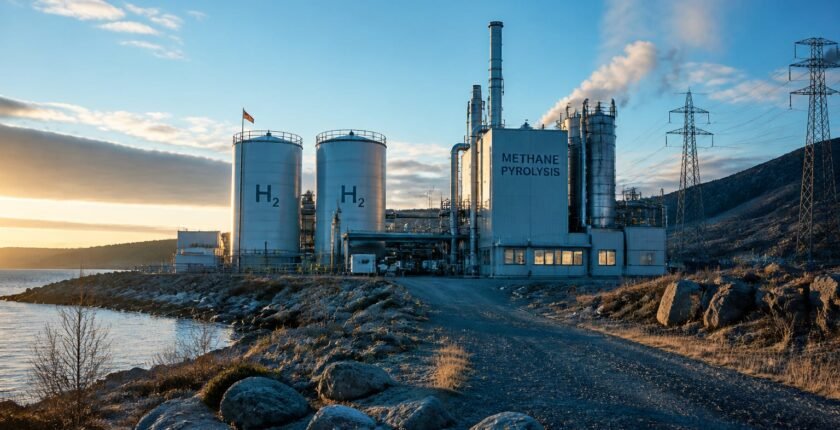
GEN-H Energy announced on 29 September 2026 that it plans a 200–300 MW balancing power facility in Kotka, Finland, using Hycamite methane pyrolysis to produce hydrogen for on-site generation. The company says Hycamite’s equipment will be integrated with a gas-fired electricity plant under a memorandum of understanding signed by the two firms. The project sits inside GEN-H’s wider Sunila industrial-district development, which also includes pilot research, hydrogen-based systems and a proposed solar plant of up to 100 MWp at Hietanen harbour. Methane pyrolysis is central to GEN-H’s zero-emission claim.
Key takeaways
- Planned capacity: GEN-H Energy plans a 200–300 MW zero-emission balancing power facility in Kotka, Finland.
- Technology: Hycamite’s methane pyrolysis process will produce hydrogen and solid carbon rather than emitting CO2, and its equipment is slated for integration with a gas-fired plant.
- Local renewables: GEN-H also plans a nearby solar power plant of up to 100 MWp at Hietanen harbour as part of the Sunila hub.
Table of contents
How Hycamite’s methane pyrolysis will feed the Kotka generator
Hycamite’s methane pyrolysis technology splits methane into hydrogen and a solid carbon product, allowing the hydrogen to be combusted with water vapour as the primary exhaust rather than carbon dioxide. GEN-H plans to fit Hycamite equipment alongside an electricity-generating gas-fired unit so the hydrogen output can be used directly for balancing power when needed.
The technical fit will require hydrogen-compatible burners or blending arrangements and on-site handling for the recovered carbon. That carbon is described by Hycamite as a solid co-product rather than an effluent gas stream, which changes storage and disposal requirements compared with conventional carbon-capture systems.
KeyPhrase: Hycamite methane pyrolysis
Why GEN-H envisions a 200–300 MW zero-emission balancing role
GEN-H frames the Kotka project as a balancing asset for a decarbonising local system: hydrogen-fired generation can supply flexible power when wind or solar output falls. The 200–300 MW range in the MoU defines the facility’s intended scale but not a final capacity decision; the figure appears as a planning target rather than a consented number.
The project is presented as part of a cluster in the Sunila industrial district, combining renewable generation, hydrogen systems and pilot research that could attract supporting firms. GEN-H’s adjacent plan for up to 100 MWp of solar at Hietanen harbour is intended to supply local low-carbon electricity and to demonstrate how variable renewables and hydrogen balancing might operate together.
KeyPhrase: zero-emission balancing power
Permitting, carbon handling and lifecycle questions to resolve
An MoU has been agreed between the firms, but such an agreement does not by itself grant permits or finalise technical specifications. Local planning approvals, environmental permits and grid-connection agreements must still be secured before construction can begin.
Operationally, the recovered solid carbon needs an off-take or disposal route; markets for industrial carbon products vary by specification and volume. Separately, the net climate benefit depends on upstream methane sourcing and any fugitive emissions from feedstock supply chains, issues not resolved in the companies’ announcement.
KeyPhrase: memorandum of understanding
How this could play out
The case for
- If Hycamite’s process scales as intended, the site could deliver flexible, lower-carbon back-up power for the Sunila hub and support local industrial decarbonisation.
- Local integration with the planned 100 MWp solar park would let GEN-H use hydrogen-fired dispatch to smooth renewable variability and increase effective renewable penetration.
The case against
- The project’s climate benefit depends on feedstock methane emissions and a reliable pathway for the solid carbon co-product; unresolved supply-chain methane leakage could erode claimed gains.
- Permitting and economics for retrofitting or operating gas-fired turbines on hydrogen blends may delay or raise costs versus the targets in the MoU.
What to be careful about
- Final investment decision and permitting are required; an MoU does not guarantee project approval.
- Upstream methane supply emissions could offset lifecycle CO2 savings if not tightly controlled and verified.
- Market demand or certification routes for the recovered solid carbon may not absorb the volumes produced, affecting project economics.
The bottom line
GEN-H’s MoU with Hycamite frames a sizeable 200–300 MW hydrogen-enabled balancing project at Kotka that aims to pair flexible generation with local renewables and industrial activity. The announcement sets a planning envelope and a technology route — methane pyrolysis producing hydrogen and solid carbon — but leaves key questions open: final capacity, permitting, feedstock sourcing and markets for the carbon co-product. Those technical and commercial steps will determine whether the Sunila hub becomes a replicable model for hydrogen-based balancing or remains a pilot-scale hybrid concept.
What to watch
- Watch for a binding project agreement between GEN-H and Hycamite; no date has been set.
- Watch for local permitting milestones from Kotka authorities; no date has been set.
- Watch for announcement of a final capacity decision within the 200–300 MW range; no date has been set.
Frequently asked questions
What capacity is GEN-H targeting for the Kotka facility?
GEN-H has set a planning target of 200–300 MW for the balancing power facility in Kotka, Finland, according to the companies’ memorandum of understanding.
How does methane pyrolysis differ from conventional hydrogen production?
Methane pyrolysis splits methane into hydrogen and a solid carbon product rather than producing CO2; Hycamite’s process is cited as producing hydrogen plus solid carbon, which changes emissions and waste-management profiles compared with steam methane reforming with CO2 as a gas.
Where will the project be sited and what else is planned there?
The project is planned in Kotka’s Sunila industrial district and is part of a wider hub that GEN-H describes as including pilot research, hydrogen systems and a proposed solar power plant of up to 100 MWp at Hietanen harbour.
Related reading