
Blog
Can Kenya’s AI ambitions coexist with Naivasha’s water needs?
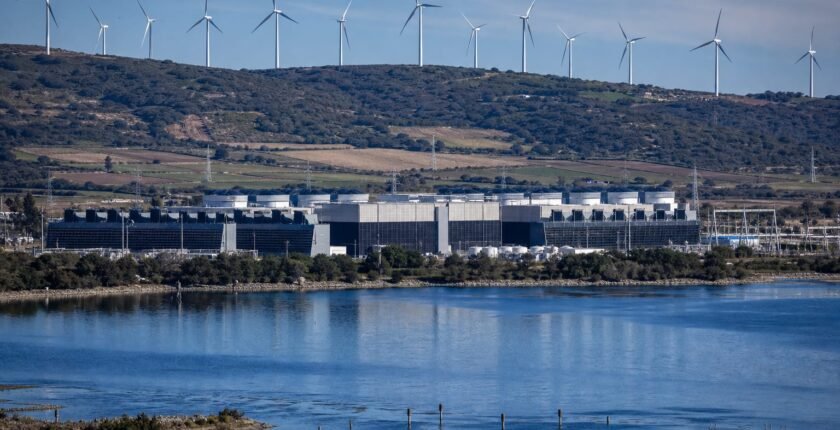
Estimated reading time: 6 minutes · Last updated: 2026-08-24
Microsoft and UAE firm G42 proposed a large data centre at Olkaria in 2024 as part of a $1bn digital investment package that could scale to 1 gigawatt of capacity, but plans stalled in May 2026 amid concerns about available power and local resources. The companies say the campus would run on geothermal power and include water-conservation technology, yet they provided no project-specific water consumption figure. KenGen says the project remains at design stage and declined to comment further. Local residents and lake monitors say Naivasha’s basin already faces competing demands for domestic use, farming and industry. This reporting, as first reported by Al Jazeera, shows the facility’s water needs remain unclear.
Currently, we are relying on water vendors to get water, our animals are walking for kilometres, and we fear things could get worse as demand for water rises.
Musa Olorkedienye
Key takeaways
- Investment and scale: Microsoft and G42 announced the Olkaria data-centre plan in 2024 as part of a $1bn digital investment package that could scale to 1 gigawatt.
- Project status: Plans for the data centre stalled in May 2026 and KenGen says the scheme is still at the design stage.
- Existing water abstraction (July 2023): A KenGen assessment records 195,165 cubic metres abstracted from Lake Naivasha in July 2023, of which 153,918 cubic metres were for commercial operations at Olkaria.
- National freshwater context: The FAO says Kenya has about 527 cubic metres of freshwater available per person and that availability could fall to about 475 cubic metres per person by 2030.
Table of contents
Why Olkaria was chosen and what stalled the plan
Olkaria hosts Kenya’s large geothermal complex, which is why Microsoft and G42 selected it for a power-hungry campus. The partners announced the initiative in 2024 inside a $1bn digital package and described a build that could eventually reach 1 gigawatt of capacity. That size matters because data centres consume both electricity and, depending on design, cooling water at scale.
In May 2026 the project stalled amid concerns about power capacity and broader resource questions. KenGen, which operates the Olkaria fields, told local reporters that the proposal remains at the design stage and that it could not comment further until the plan is ready to proceed. The companies’ public statements say the campus would run on geothermal energy and incorporate water-conservation measures, but they did not disclose any project-specific water-consumption figure.
Because the facility was pitched as geothermal-powered, proponents frame it as a renewable anchor for digital industry. Opponents counter that even a renewably powered site can create new local demand for water if cooling or other processes rely on freshwater abstraction.
Naivasha’s water pressures in numbers
Lake Naivasha sits in a basin that supports farming, tourism, livestock and households while hosting geothermal and other industries. That mix has tightened competing claims on groundwater and surface water, including the River Malewa catchment that feeds the lake.
National context sharpens the local picture. The Food and Agriculture Organization records about 527 cubic metres of freshwater available per person in Kenya, well below the 1,000-cubic-metre threshold commonly used to mark water scarcity, and it says availability could fall to about 475 cubic metres per person by 2030. Locally, monitors point to past swings in lake level — in 2010 the basin nearly dried — and to pollution, invasive species and variable rainfall as factors that reduce buffer capacity.
Community voices and conservation groups therefore view any large new industrial user as a potential multiplier of stress during dry spells unless its water sourcing and recycling are explicit and strictly regulated.
What KenGen’s numbers show about current extraction
A KenGen environmental and social impact assessment records that 195,165 cubic metres of water were abstracted from Lake Naivasha in July 2023 for domestic and commercial uses at Olkaria and for operations at Eburru. Of that total, 153,918 cubic metres were used for commercial operations at Olkaria. The assessment records the abstraction as within Water Resources Authority permitted levels.
Those figures cover existing operations, not the proposed Microsoft-G42 campus, but they show how commercial activity already accounts for the majority of that month’s abstraction. Calculating the share from the assessment’s figures gives a commercial-use share of roughly 79 percent of the July 2023 abstraction, which illustrates why local groups fear additional large industrial demand.
Advocates for the lake say that cumulative impact assessments — which add proposed new users to existing withdrawals and climate-driven supply changes — are the right tool to determine whether permits should change or extraction be capped.
Technical choices and who oversees them
Project design choices determine how much freshwater a campus would need. Data centres can use air-cooled servers, closed-loop water systems, evaporative cooling or treated wastewater; each option has different water and energy trade-offs. Local advocates told reporters they want water-efficient or water-free cooling, onsite recycling and use of treated effluent where feasible.
Kenya’s regulatory framework assigns the Water Resources Authority to license abstraction and the National Environment Management Authority to oversee environmental impact assessments. Several local interviewees told reporters they have not seen sufficient public disclosure of the proposed centre’s expected water source, cooling technology or mitigation plans, and they called for community involvement in monitoring.
Some local experts argue a well-specified monitoring centre — the kind the project’s proponents reportedly planned to include — could provide useful hydrological data for zoning and long-term planning if built with community access and clear transparency rules.
| Item | Date / period | Reported figure | Context |
|---|---|---|---|
| Microsoft-G42 data centre | Announced 2024 | $1bn package; up to 1 gigawatt | Project design stage; water demand not disclosed |
| KenGen abstraction (Lake Naivasha) | July 2023 | 195,165 cubic metres | Domestic and commercial uses at Olkaria and Eburru |
| KenGen commercial use (Olkaria) | July 2023 | 153,918 cubic metres | Commercial operations share of July abstraction |
| Kenya freshwater per person | FAO data (date not specified) | 527 cubic metres; ~475 by 2030 | National context for scarcity |
Two ways this could play out
The case for
- If the developers commit to low-water cooling, treated wastewater use and public cumulative-impact studies, the campus could add jobs without materially increasing freshwater stress.
- A monitoring resource centre tied to the project could improve hydrological data and support zoned abstraction limits if community access and regulatory enforcement are secured.
The case against
- If the facility uses freshwater for cooling and extraction permits are issued without cumulative-impact assessment, local abstraction could rise on top of already high commercial use and seasonal shortages.
- Weak transparency and limited community oversight would raise the risk that increased industrial demand reallocates water away from smallholders, livestock and domestic users during dry periods.
What to be careful about
- Permitting new abstraction without cumulative-impact assessment could increase stress on Lake Naivasha during dry seasons.
- Lack of public disclosure about cooling technology or water sources makes it impossible to judge project impacts before permits are granted.
- Existing commercial extraction already constituted roughly 153,918 of 195,165 cubic metres abstracted in July 2023, so even modest additional withdrawals could be significant locally.
- Regulatory enforcement gaps at the Water Resources Authority or NEMA would undermine safeguards even if good mitigation is proposed on paper.
The bottom line
The core tension is simple: a geothermal-powered campus can lower greenhouse-gas emissions while still adding local demand for water if cooling or operations rely on freshwater. The partners framed the Olkaria site around renewable energy and promised conservation measures, but they provided no project-specific water figures and the plan stalled in May 2026. Existing KenGen data for July 2023 show commercial use already dominates that month’s abstraction, and national FAO figures place Kenya below common scarcity thresholds. That combination makes transparent, cumulative-impact assessment and clear commitments on cooling and treated wastewater the decisive factors for whether the project can coexist with Naivasha’s water needs.
What to watch
- Watch for any Water Resources Authority decision on new or revised abstraction permits for Olkaria; no date has been set.
- Watch for publication of a project environmental impact assessment that discloses projected water use, cooling technology and proposed mitigation; no date has been set.
Frequently asked questions
Will the Microsoft-G42 data centre drain Lake Naivasha?
There is no public project-specific water figure, so whether the data centre would materially affect Lake Naivasha cannot be determined from available information. Existing KenGen data show 195,165 cubic metres were abstracted from the lake in July 2023, of which 153,918 cubic metres were for commercial operations at Olkaria, which illustrates why locals are concerned.
Who regulates water abstraction for new industrial users in Kenya?
The Water Resources Authority issues abstraction permits and NEMA oversees environmental impact assessments under Kenya’s regulatory framework. Local stakeholders told reporters they want cumulative-impact studies before new permits are granted for large users.
What cooling or design choices reduce a data centre’s freshwater need?
Options that reduce freshwater demand include air-cooled servers, closed-loop cooling, and use of treated wastewater rather than freshwater; interviewees urged 'water-efficient or water-free cooling' and onsite recycling to limit new abstraction.
Related reading