
Blog
Two rescued from Nepal hydropower tunnel after floods
Estimated reading time: 4 minutes · Last updated:
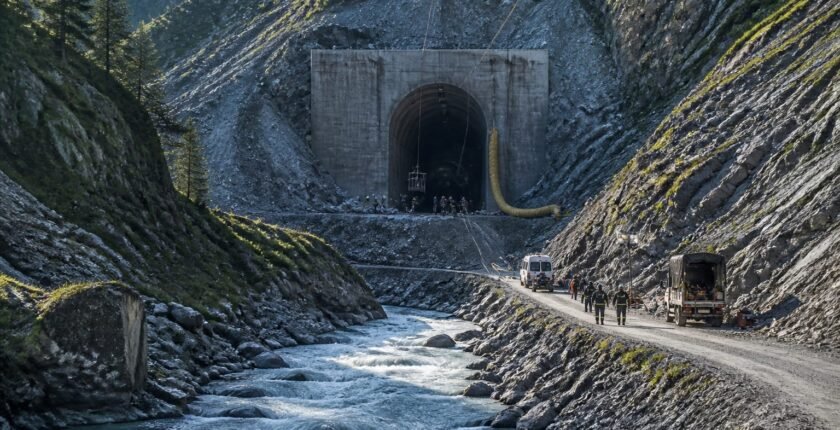
Two workers were pulled alive from a debris-blocked tunnel at the Upper Trishuli 3A Hydropower Station after the 26 August glacial and mountain collapse, officials said. The men were named as Sanjay Sah, 30, and Kabir Maharjan, 45, and both were taken to a Kathmandu hospital in stable condition. Officials estimate at least 900 people remain trapped in hydropower tunnels across the region following floods that the government says killed at least 1,308 people and left more than 5,600 missing. The rescues and official details were first reported by AFP and Reuters.
As long as there is breath, there is hope!
Biraj Bhakta Shrestha, Nepal energy minister
Key takeaways
- Two workers, Sanjay Sah (30) and Kabir Maharjan (45), were rescued alive from the Upper Trishuli 3A Hydropower Station tunnel and sent to a Kathmandu hospital.
- Officials said the rescues came on the tenth day of operations after the 26 August collapse that killed at least 1,308 people and left more than 5,600 missing.
- Government sources estimate that at least 900 people are trapped in hydropower tunnels after the flooding that swept through Himalayan valleys.
- Arnold Dix, president of the International Tunnelling and Underground Space Association, said rescue teams had reached hard-packed debris and described the recent breakthrough as 'back in miracle country.'
Table of contents
How the two workers were freed and treated
Rescuers broke through a muddy opening at the Upper Trishuli 3A tunnel and pulled the first man out to cheers, video released by the energy ministry showed. Emergency teams helped him to his feet and then carried him toward a waiting helicopter; a second man was removed on an orange stretcher. The energy ministry confirmed both men were receiving treatment in Kathmandu and described their condition as stable. Home Minister Sudan Gurung named the pair as Sanjay Sah and Kabir Maharjan. Family members spoke to AFP after the rescue: Amir Maharjan, brother of Kabir Maharjan, told the agency he felt his "heart is lighter." Government statements and agency reporting together established the identities and hospitalisation status.
The broader toll on people and hydropower projects
The single mountain collapse on 26 August triggered floods and debris flows that swept into valleys and into tunnel mouths, leaving scores of workers unaccounted for. Officials have said the event killed at least 1,308 people and left more than 5,600 missing; separate government estimates put the number of people trapped in hydropower tunnels at about 900. Rescue teams are focusing on multiple sites: the Trishuli 3A tunnel was one of at least a dozen hydropower projects damaged or smashed by the floods, according to official briefings. The scale of damage has interrupted construction and operations across several river valleys, and the tally of damaged infrastructure remains a central government task to confirm.
International teams and the technical barriers to more rescues
Nepali rescuers have been supported by specialists and teams from India, China and South Korea, and additional soldiers were deployed to bolster manual and technical search work. Rescuers repeatedly encountered hard-packed debris and blocked sections of tunnel that required careful excavation to avoid collapse, the rescue co-ordination said. Arnold Dix, president of the International Tunnelling and Underground Space Association, told AFP that teams had dug through roughly 50 to 60 metres of blockage at Trishuli 3A and believed they heard faint responses from inside before the breakthrough. Dix said he was travelling to Nepal to join the effort and described the progress as edging back toward what he called "miracle" outcomes after days of continuous work.
Outlook for rescue operations
The case for
- Recent breakthrough and removal of two men show crews can reach survivors where debris is penetrated, and international experts such as Arnold Dix are mobilising to accelerate excavations.
- Reinforcements of soldiers and multi‑national search teams increase labour and technical capacity at multiple tunnel sites, raising the odds of further survivals if voids exist.
The case against
- Rescuers have repeatedly confronted hard‑packed debris and blocked tunnel sections, slowing progress and limiting how quickly teams can advance without risking further collapse.
- The catastrophe has damaged at least 12 hydropower projects, stretching rescue resources across many sites while the official missing and casualty counts continue to rise.
What to be careful about
- Blocked tunnel passages of compacted mud and rock that require slow, delicate excavation and specialist equipment.
- Widespread damage across multiple hydropower projects, which disperses rescue teams and reduces the speed of any single operation.
- Cross‑border logistics and coordination after a collapse on the China‑Nepal border, requiring mobilisation of international assistance under time pressure.
The bottom line
The rescue of Sanjay Sah and Kabir Maharjan offers a rare success amid a disaster that has damaged multiple hydropower projects and left large numbers dead or missing. The technical challenge remains the same: breaking through metres of compacted debris without causing further collapse. International teams and experts have increased capacity, but dozens to hundreds of people are still believed trapped and the official toll continues to rise. For now, authorities and families alike are awaiting clearer counts and the next operational breakthroughs at Trishuli 3A and other affected tunnels.
What to watch
- Watch for official updates from Nepal on whether further survivors are confirmed at the Upper Trishuli 3A site; no date has been set.
- Watch for government statements clarifying the final toll and the status of the at least 12 hydropower projects reported damaged; no date has been set.
- Watch for the arrival and technical briefing from Arnold Dix and other tunnelling experts once they reach Nepal; no date has been set.
Frequently asked questions
How many people are believed trapped in hydropower tunnels?
Officials estimated that at least 900 people were trapped in hydropower tunnels after the flooding, a figure released alongside the government's casualty updates following the 26 August collapse.
Who were the two men rescued from the tunnel?
The rescued workers were named by the home minister as Sanjay Sah, 30, a mechanical foreman, and Kabir Maharjan, 45, a mechanical supervisor; both were taken to a hospital in Kathmandu and described as stable.
Which organisations are involved in the rescue effort?
Nepali rescuers are being supported by teams from India, China and South Korea, and Arnold Dix, president of the International Tunnelling and Underground Space Association, said he was travelling to Nepal to join the operation.
Related reading