
Blog
Scout Moor wind farm plans cut from 17 to 12 turbines
Estimated reading time: 4 minutes · Last updated:
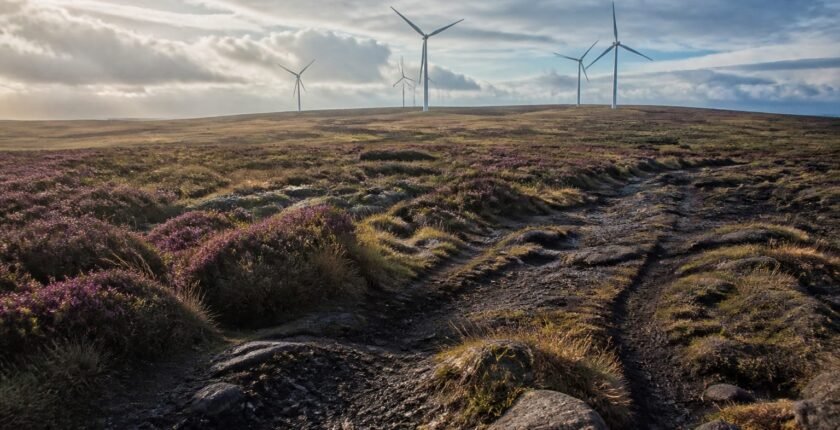
Cubico Sustainable Investments has revised its Scout Moor II proposal on moorland between Rochdale and Rossendale, cutting the layout from 17 turbines to 12 and proposing roughly 70MW of generation. The developer says the change responds to resident and organisational feedback, removes turbines and infrastructure from the deepest areas of peat and reroutes the grid connection to avoid Edenfield and Waterfoot. The plans include turbines up to 590ft (180m) tall. The revision now goes into a further 30‑day public consultation before planning committees in Rochdale and Rossendale decide whether to approve it.
It's not about building as many turbines as possible. It's always about a balance.
Peter Rowe, project lead for Scout Moor II
Key takeaways
- Cubico Sustainable Investments has reduced the Scout Moor II proposal from 17 turbines to 12.
- Planned turbines would measure up to 590ft (180m) in height.
- The revised scheme would generate about 70MW and removes turbines and infrastructure from the deepest peat areas.
- The plans will enter a further 30‑day consultation before Rochdale and Rossendale planning committees consider them.
Table of contents
What Cubico changed and why
Cubico Sustainable Investments has trimmed the Scout Moor II layout in response to feedback from residents and organisations, reducing the proposed turbine count from 17 to 12. The company frames the change as an attempt to balance maximising clean energy with fitting the scheme to the place: it says fewer turbines will be visible from nearby communities and key viewpoints. The developer also says it will move turbines and some infrastructure away from the deepest peat to reduce environmental impacts.
The revision includes an altered grid connection route designed to avoid the villages of Edenfield and Waterfoot. Project lead Peter Rowe says the reduction is not about building as many turbines as possible but about getting the balance right between generation and local impact; the developer has prepared visualisations it expects will show a noticeable difference.
Local opposition and environmental concerns
The proposals previously prompted hundreds of objections from residents and groups. Opponents warned of harm to peatland, wildlife and the moorland landscape; peat disturbance is a core environmental concern because it can release stored carbon if not managed properly. Campaign group Friends of the Moorland said the reduction was welcome but cautioned that the core objections remain.
Steve Davison of Friends of the Moorland said: "We need to review the plans in detail to come to a considered view but it's unlikely that all of our fundamental objections will have been addressed." That statement keeps pressure on planners to scrutinise peatland mitigation, habitat impacts and visual effects before any approval.
Next steps and planning timeline
The revised application has been submitted to Rochdale and Rossendale councils and will be subject to a 30‑day public consultation. After that period, planning committees in both boroughs will consider whether to grant permission. The developer says visualisations and the rerouted grid connection will help communities judge the changes.
Site details in the plans include turbines that could reach 590ft (180m), taller than Blackpool Tower. The company also says the revised layout and grid route are intended to reduce how many turbines are visible from specific viewpoints and to keep heavy infrastructure away from the deepest peat in sensitive moorland areas.
| Feature | Original proposal | Revised proposal |
|---|---|---|
| Turbines | 17 | 12 |
| Estimated generation | Not stated | About 70MW |
| Max turbine height | Not stated | Up to 590ft (180m) |
| Peatland approach | Raised as a concern by opponents | Removes turbines/infrastructure from deepest peat |
| Grid route / visibility | Original route prompted objections | Grid route altered to avoid Edenfield and Waterfoot; fewer turbines visible |
What could move this either way
The case for
- Fewer turbines and removal of infrastructure from the deepest peat reduce the scheme's direct footprint and could address some environmental concerns.
- An altered grid connection that avoids Edenfield and Waterfoot may lessen local opposition tied to construction impacts and village disruption.
The case against
- Friends of the Moorland and others say even 12 turbines at 180m will still have a major peat, wildlife and landscape impact, keeping formal objections alive.
- Hundreds of earlier objections indicate sustained local resistance that could delay committee decisions or prompt refusals if planners judge impacts unacceptable.
What to be careful about
- Planning committees in Rochdale and Rossendale could refuse permission if they find peatland or landscape impacts outweigh benefits.
- Ongoing local opposition and legal challenges could delay construction or require further revisions to mitigation measures.
- Visual and habitat impacts from turbines up to 590ft (180m) could trigger tighter conditions or reduced operational scope at approval.
The bottom line
Cubico's reworking of Scout Moor II—cutting the layout from 17 to 12 turbines, moving infrastructure off the deepest peat and changing the grid route—is framed as a response to strong local feedback. The changes introduce concrete mitigation steps that may reduce some visible and ecological impacts, but campaigners such as Friends of the Moorland say the core objections about peat, wildlife and landscape remain. The planning outcome now turns on the results of a 30‑day consultation and subsequent decisions by Rochdale and Rossendale planning committees; those steps will determine whether the scheme proceeds, requires further change, or is refused.
What to watch
- Watch for the close of the 30‑day public consultation; no date has been set.
- Watch Rochdale and Rossendale planning committees' decisions on the revised Scout Moor II application; no dates have been set.
Frequently asked questions
Who is behind the Scout Moor II proposal?
Cubico Sustainable Investments is the developer. Its Scout Moor II proposal would occupy moorland that stretches between Rochdale and Rossendale and sit adjacent to the existing Scout Moor wind farm.
How many turbines are now proposed and how tall would they be?
The revised proposal reduces the number to 12 turbines, each of which could be up to 590ft (180m) tall.
How much electricity would the revised scheme produce?
Cubico says the revised scheme would generate about 70MW of electricity.
Related reading