
Blog
Arizona Wind Energy Pushback: Seven Local Restrictions
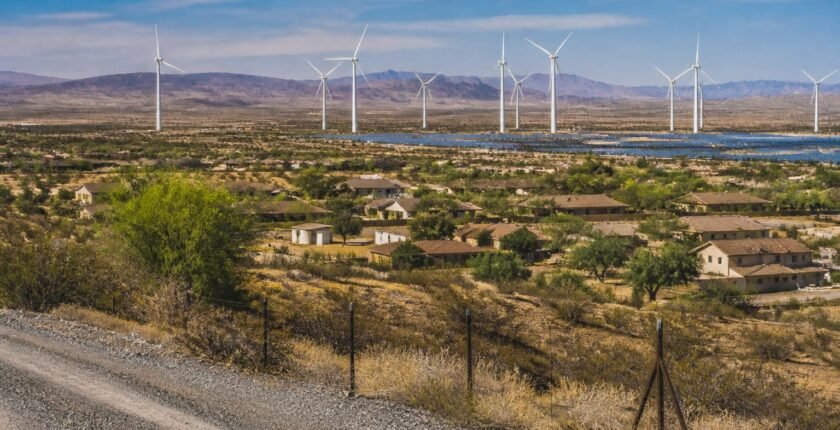
Estimated reading time: 4 minutes · Last updated:
An AZ Family Investigates review found seven rural Arizona towns and counties have imposed bans or restrictions on large-scale solar and wind projects, as first reported by AZ Family. The review names three counties — Yavapai, Mohave and Navajo — and three towns — Chino Valley, Coolidge and Eloy — among those enacting limits. Local officials cite land-use concerns and community fatigue, while state regulators and industry groups warn the measures could make meeting rising electricity demand harder and push costs higher. This story summarizes the jurisdictions identified, the local drivers, and the immediate policy and grid implications for Arizona’s wind energy restrictions.
Pinal County has just been solar fatigued. And I just think that people are saying enough is enough,
Richard Vitiello, Pinal County supervisor for District One
Key takeaways
- Seven rural Arizona towns and counties have imposed bans or restrictions on large-scale solar and wind projects, per an AZ Family Investigates review.
- The review identifies three counties — Yavapai, Mohave and Navajo — and three towns — Chino Valley, Coolidge and Eloy — as having limits in place.
- Pinal County supervisor Richard Vitiello says opposition is driven by land concerns and what he called local 'solar fatigue.'
- Arizona Corporation Commission member Kevin Thompson links the rise in restrictions to the national political climate, and industry representatives report heated public meetings.
Table of contents
Which jurisdictions have moved to limit projects and why
Local reporting identified seven rural jurisdictions that have enacted bans or other limits on utility-scale solar and wind development. The named places include three counties — Yavapai, Mohave and Navajo — and three towns — Chino Valley, Coolidge and Eloy — though the review’s opening line gives the total as seven. Elected officials in the affected counties and towns frame the change as a response to rapid development and pressure to protect agricultural, scenic or otherwise valued land.
Pinal County supervisor Richard Vitiello described what he called community fatigue around solar buildout and said land preservation is central to local objections. City and county land-use decisions are driving the measures: these are planning and zoning outcomes rather than changes to state permitting rules, which means the restrictions are locally specific and can vary in scope and timeline.
How politics and public meetings have shaped opposition
State and industry voices say national politics have amplified local resistance. Kevin Thompson of the Arizona Corporation Commission told reporters that the federal administration's stance on clean-energy policy has encouraged local skepticism, a dynamic he said helped drive recent actions.
Industry representatives attending local hearings report unusually contentious sessions. Autumn Johnson, executive director of the Arizona Solar Energy Industries Association, said meetings have become hostile enough that some were moved online and that three Apache County planning and zoning board members recently resigned amid tensions. Those departures show how public-comment dynamics are feeding into permitting delays and decisions at the municipal and county level.
Immediate grid and policy implications for Arizona
Arizona’s power demand continues to grow, and several stakeholders warn that restricting large renewable projects risks making supply less flexible and raising costs. The investigative review notes that the trend could push the state toward a less reliable grid and higher energy bills if alternatives are not advanced to replace planned capacity.
Local bans shift where and how projects can be sited, complicating developer plans and possibly increasing transmission needs. County-level restrictions also create a patchwork of rules that could slow buildout timelines, pushing more development into fewer jurisdictions and concentrating local opposition there.
| Jurisdiction | Type | Action |
|---|---|---|
| Yavapai | County | Ban or restriction |
| Mohave | County | Ban or restriction |
| Navajo | County | Ban or restriction |
| Chino Valley | Town | Ban or restriction |
| Coolidge | Town | Ban or restriction |
| Eloy | Town | Ban or restriction |
Case for and against loosening local limits
The case for
- Local controls protect land uses residents value and respond to community concerns about fast-paced development, preserving scenic and agricultural areas.
- Municipal and county decisions give local elected officials direct control over where large infrastructure sits, allowing tailored trade-offs between jobs and land preservation.
The case against
- If more jurisdictions adopt bans or tight restrictions, planned renewable capacity could be delayed or concentrated, increasing transmission costs and complicating efforts to meet rising demand.
- Heated public meetings and resignations on planning boards, as reported in Apache County, heighten permitting risk and could slow project approvals across the state.
What to be careful about
- Reduced site options for wind and solar could raise the cost and time to build replacement capacity for retiring fossil resources.
- A patchwork of local limits risks uneven deployment that increases transmission needs and system stress during peak demand.
- Contentious hearings and planning-board vacancies can produce unpredictable permitting outcomes and longer project timelines.
The bottom line
Local bans and limits in Arizona are emerging from clashes over land use, political context and community reaction to rapid renewable development. The reporting identifies seven affected jurisdictions while naming six by place; that gap merits follow-up reporting to confirm the full list and the specific legal language of each measure. For now, regulators and industry warn the measures could complicate the state’s ability to add supply affordably as demand grows, and contentious local hearings are already producing resignations that will affect future permitting outcomes.
What to watch
- Watch planning and zoning meetings in Apache County for further votes or appointments; no date has been set.
- Watch for council or county readings in the towns named — Chino Valley, Coolidge and Eloy — where local ordinances could be amended; no date has been set.
Frequently asked questions
Which Arizona places have banned or restricted large renewable projects?
An AZ Family Investigates review reports seven rural Arizona towns and counties have enacted bans or restrictions; it names three counties — Yavapai, Mohave and Navajo — and three towns — Chino Valley, Coolidge and Eloy.
Why are communities pushing back against wind and solar?
Local officials cite land-use concerns and what Pinal County supervisor Richard Vitiello described as community 'solar fatigue.' The review also cites national political signals and heated public meetings as drivers behind recent limits.
What effect could these local limits have on Arizona’s grid?
The review warns the trend could make the grid less reliable and raise energy costs if planned utility-scale projects are delayed or forced into fewer locations, increasing transmission and siting challenges.
Related reading