
Blog
EV Battery Lifespan: How Long Modern Packs Last
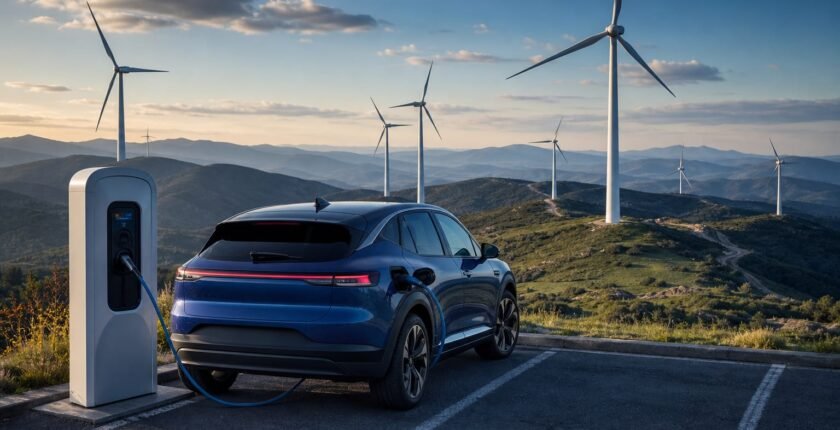
Estimated reading time: 5 minutes · Last updated:
Real-world telemetry and government modelling now give a clearer answer: modern electric-vehicle battery packs commonly last well beyond a decade. The US Department of Energy’s modelling places many packs at roughly 12–15 years in moderate climates and at about 8–12 years in more extreme conditions, while Geotab’s field analysis of more than 22,700 vehicles shows average degradation near 2.3% per year — roughly 81.6% capacity after eight years. Those numbers mean gradual range loss is the likeliest outcome, not sudden pack failure.
Key takeaways
- Geotab field data: Geotab analysed more than 22,700 EVs across 21 models and found average battery degradation of about 2.3% per year.
- DOE lifespan estimate: The US Department of Energy modelling estimates many modern EV packs last 12–15 years in moderate climates and about 8–12 years in extreme climates.
- Replacement rates: Recurrent’s review of over 30,000 EVs shows replacement rates of roughly 8.5% for first-generation EVs, 2% for second-generation models, and 0.3% for 2022‑and-later vehicles.
- Key wear factors: Frequent DC fast charging above 100 kW raises degradation toward about 3% per year, while lower-power charging averages nearer 1.5% per year; hot climates add roughly 0.4% per year.
Table of contents
- Key takeaways
- What the data actually says about how long packs last
- Which conditions accelerate degradation — heat and fast charging
- Warranties, replacements and what the numbers mean for owners
- Practical steps owners can take and resale implications
- Why batteries may last longer — and what could slow progress
- What to be careful about
- Frequently asked questions
What the data actually says about how long packs last
Two kinds of evidence shape current expectations: large-scale telemetry studies and government modelling. Geotab’s analysis of more than 22,700 vehicles across 21 models calculates an average capacity loss around 2.3% a year; at that pace a pack would retain roughly 81.6% of its original capacity after eight years. Independent fleet- and registry-based work from Recurrent, covering over 30,000 vehicles, reports that outright pack replacements are uncommon on newer models.
Parallel to those field datasets, the US Department of Energy’s modelling frames longevity in climate terms: many modern packs should endure about 12–15 years in moderate climates and closer to 8–12 years where temperatures are extreme. Put together, the evidence points to gradual range reduction rather than abrupt failure for the majority of modern EVs.
Which conditions accelerate degradation — heat and fast charging
Two mechanical drivers consistently emerge from the data: temperature exposure and charging profile. Geotab’s breakdown shows vehicles using high-power DC fast chargers above 100 kW average about 3% capacity loss per year, compared with closer to 1.5% for cars that mainly use lower-power charging, and hot climates add roughly 0.4% per year on top of those baselines.
Those effects are additive rather than binary: frequent fast charging and regular exposure to high ambient temperatures combine to raise annual degradation materially. Battery-management systems and cooling hardware reduce the risk, but owners who habitually charge to extreme state-of-charge limits or park for long periods in heat will see faster capacity decline.
Warranties, replacements and what the numbers mean for owners
Manufacturers address buyer concern with long battery warranties: many cover eight years or 100,000 miles, and some offer longer terms depending on model and state. Those warranties typically define a minimum retained capacity—meaning coverage usually activates only if the battery degrades past a set threshold rather than on any loss of range.
On actual replacements, Recurrent’s dataset gives perspective: replacement remains common only among the earliest-generation models (about 8.5% replacement), falls to roughly 2% for second-generation cars, and is near 0.3% for vehicles from the 2022 model year onward. In short, warranty terms matter, but outright pack swaps are rare for modern designs.
Practical steps owners can take and resale implications
Small behaviour changes lower long‑term wear: prefer Level 2 home charging for routine use, avoid keeping the state of charge persistently at extremes, and limit repeated long sessions on very high-power DC fast chargers when not necessary. Those steps address the two main mechanical drivers identified in field studies and can materially slow the effective annual degradation rate.
For resale and total-life economics, modest capacity loss is usually more important than a single replacement event. A pack that keeps 80–85% of original capacity after several years will still deliver usable range for most buyers; Recurrent’s low replacement rate for 2022‑onward cars suggests that, for many models, the pack will outlast the vehicle’s other components.
| Generation | Replacement rate | Dataset / source |
|---|---|---|
| First-generation EVs | ≈ 8.5% | Recurrent, >30,000 EVs |
| Second-generation models | ≈ 2% | Recurrent, >30,000 EVs |
| 2022 and later | ≈ 0.3% | Recurrent, >30,000 EVs |
Why batteries may last longer — and what could slow progress
The case for
- Improvements in chemistry, cooling and battery-management software should continue reducing annual degradation rates for new models, following the pattern from first- to second-generation packs.
- Longer and clearer warranties may raise consumer confidence and encourage manufacturers to design for longevity across model lines.
The case against
- Rising use of very high-power public charging without commensurate thermal management could push some fleets toward higher degradation rates.
- Widespread deployment of EVs in hot-climate regions without improved pack cooling will keep operating life at the lower end of the 8–12 year range estimated by the Department of Energy.
What to be careful about
- Warranties typically specify an allowable capacity decline before covering a replacement, so a car can lose significant range without triggering repair eligibility.
- Charging behaviour and ambient heat materially change real-world lifespan: frequent >100 kW DC charging and persistent exposure to hot climates are linked to faster degradation.
- Early-generation models show substantially higher replacement rates, so second-hand buyers need to check a vehicle’s build generation and service history.
The bottom line
Field telemetry and government modelling converge on a practical message: modern EV battery packs usually lose capacity slowly, and many will outlast the vehicles they power. Average degradation in large datasets centres near a few percent per year, manufacturers back packs with long warranties, and outright pack replacements are now rare on recent model years. Owners who limit extreme state-of-charge exposure, prefer Level 2 overnight charging for routine needs, and avoid repeated high-temperature stress can expect the best long-term outcomes.
What to watch
- Watch for updated long-term degradation reports from Geotab; no date has been set.
- Watch for automakers to revise battery-warranty terms or durations; no date has been set.
- Watch for Recurrent to publish expanded replacement-rate breakdowns by make and model; no date has been set.
Frequently asked questions
Will my EV battery fail after eight years?
Not typically. Geotab’s field data shows average degradation around 2.3% per year, which equates to roughly 81.6% capacity after eight years; that outcome means range falls gradually rather than the battery suddenly failing.
Does fast charging ruin EV batteries?
Frequent high-power DC charging above 100 kW is associated with faster wear: Geotab’s analysis finds degradation nearer 3% per year for those vehicles versus about 1.5% for cars that mainly use lower-power charging.
Are battery replacements common on newer EVs?
No — Recurrent’s review of more than 30,000 vehicles reports replacement rates of about 8.5% for first-generation EVs, roughly 2% for second-generation models, and about 0.3% for 2022-and-later vehicles.
Related reading