
Blog
2026 Chevrolet Blazer EV SS review
Estimated reading time: 5 minutes · Last updated:
Keith Laing drove the 2026 Chevrolet Blazer EV SS and reports a performance-focused electric crossover that General Motors says delivers 615 horsepower and up to an EPA‑estimated 312 miles of range, with trims starting at $46,495 and the SS retailing for $62,495, as first reported by USA TODAY. Over a week of varied driving the SS felt quiet, quick and familiar to drivers used to conventional midsize SUVs; GM positions the SS as “Chevy’s first performance EV.” This review combines the drive impressions, interior dimensions and quoted GM technical claims so buyers can decide whether the Blazer EV matches their needs.
Key takeaways
- EPA range: General Motors provides an EPA-estimated range of up to 312 miles for the Chevrolet Blazer EV.
- Power and torque: GM says the SS trim packs 615 horsepower and 650 lb-ft of torque in a dual-motor all-wheel-drive setup.
- Pricing and trims: The Blazer EV is offered in three trims with a starting price of $46,495 for the LT and the SS retailing for $62,495.
- Charging example: In the test vehicle a public charge from 45% to 80% took about 35 minutes and cost roughly $25.
Table of contents
- Key takeaways
- What sets the Blazer EV apart on the curb and in the cabin
- Driving feel, performance claims and real-world range
- Space, dimensions and practicality for families
- Price positioning, warranty and market context
- How the Blazer EV could gain or lose momentum
- What to be careful about
- Frequently asked questions
What sets the Blazer EV apart on the curb and in the cabin
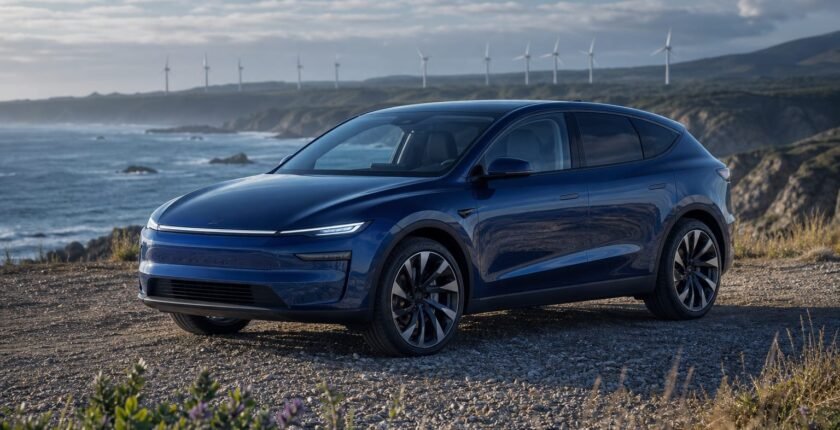
The Blazer EV aims for a mix of showy exterior design and everyday practicality. The Habanero Orange SS tester drew attention in parking lots, and Chevrolet offers six exterior colors across trims. Inside, the cabin prioritizes space and connectivity: the vehicle seats five, offers a 17.7-inch diagonal color touchscreen on higher trims and supports wireless Apple CarPlay and Android Auto.
Controls and packaging lean toward a familiar driving interface rather than experimental layouts; the gear selector on the steering column took a moment to learn but proved intuitive in daily use. The SS adds cosmetic and comfort upgrades such as 22-inch machined-faced wheels, heated and ventilated front buckets and a two-tone roof on most colors. Those features are part of GM’s effort to position the Blazer EV as a performance-oriented but practical midsize electric SUV.
Driving feel, performance claims and real-world range
Driving the SS trim shows why Chevrolet emphasises performance: General Motors describes the SS as a dual-motor all‑wheel‑drive powertrain delivering 615 horsepower and 650 lb-ft of torque, and on public roads the Blazer EV accelerates with the surge expected of a performance crossover. The EV’s quietness and handling let a driver forget they’re not in a conventional gas vehicle, while still offering the immediacy of electric torque.
Range and efficiency figures combine EPA lab estimates and a real-world test. GM lists an EPA-estimated maximum range of 312 miles and reports fuel-economy equivalents of 114 mpg for city driving and 95 mpg on highways. The test vehicle arrived with an 80% state of charge and displayed 266 miles remaining; charging the pack from 45% to 80% at a public fast charger took about 35 minutes and cost roughly $25, a practical fast-charge example for daily use.
Space, dimensions and practicality for families
The Blazer EV’s packaging keeps it in the midsize crossover category: Chevrolet lists exterior dimensions at 192.66 inches long, 78.02 inches wide and 64.78 inches tall. The cabin provides 40.88 inches of front head room and 38.10 inches in the rear, which is consistent with five‑passenger family seating and everyday comfort.
Cargo space measures 25.5 cubic feet behind the second row and expands to 59.10 cubic feet with the rear seats folded. Those volumes are sufficient for grocery runs, travel luggage or small furniture pieces. Practical touches such as heated rear seats on higher trims, multiple driver-assistance features and GM’s OnStar service underline Chevrolet’s aim for the Blazer EV to be a useful family vehicle as well as a statement model.
Price positioning, warranty and market context
Chevrolet positions the Blazer EV across a wide price spectrum to compete with both mainstream and premium midsize electric crossovers. Trim pricing starts with the LT at $46,495, the RS at $55,295 and the tested SS at $62,495. The company says the Blazer EV is part of GM’s broader electric sales effort; Cox Automotive's figures show GM brands have delivered 56,679 electric vehicles so far this year, and 3,166 of those were Blazer EVs.
To address buyer concerns about battery longevity, Chevrolet includes an eight-year, 100,00 battery limited warranty with the Blazer EV. Kelley Blue Book data cited in the testing notes an average new electric-car price near $56,126 in July 2026, which places the Blazer EV’s entry price below that average while the SS sits above it—helping explain why some buyers may prefer the RS for value.
| Trim | Starting price | Drive | Notable features |
|---|---|---|---|
| LT | $46,495 | FWD/AWD available | Base equipment; entry trim |
| RS | $55,295 | FWD/AWD available | Black painted roof; available touchscreen; 6-speaker audio |
| SS | $62,495 | All-wheel drive (dual motor) | 615 hp; 650 lb-ft; 22-inch wheels; Bose 8-speaker system |
How the Blazer EV could gain or lose momentum
The case for
- Strong quoted output and a competitive EPA estimate—615 horsepower and up to 312 miles—give Chevrolet a clear performance and range story to attract buyers.
- Entry pricing at $46,495 places the Blazer EV below the July 2026 average new electric-car price cited by Kelley Blue Book, which could broaden appeal among value-oriented shoppers.
The case against
- Higher-spec SS equipment pushes the retail price to $62,495, which narrows the model’s value proposition against established rivals at similar or lower price points.
- Charging speed, cost and real-world range will vary by charger and climate; the test’s 45%-to-80% example (35 minutes and about $25) is a single data point, not a guarantee of future charging experience.
What to be careful about
- SS trim pricing at $62,495 may deter buyers seeking the best value in the segment.
- GM’s performance and class‑leading claims are company statements and should be validated by third‑party tests before use in purchase comparisons.
- Real-world range depends on conditions; the test car showed 266 miles at an 80% state of charge, which implies variance from EPA estimates for normal driving patterns.
The bottom line
The 2026 Chevrolet Blazer EV stretches from a value-oriented LT at $46,495 to a high-performance SS at $62,495, combining practical cargo space and modern infotainment with a quoted 615-hp performance envelope and an EPA estimate up to 312 miles. General Motors’ statements frame the model as both competitive on price at entry and aspirational at the top end; prospective buyers should weigh the SS’s extra cost against the RS’s better value and wait for independent tests that confirm the company’s performance and range claims. Charging times and real-world range will determine how the Blazer EV fits daily life.
What to watch
- Watch for independent range and performance tests of the SS trim; no date has been set.
- Watch for local dealer pricing, incentives and availability for LT, RS and SS trims in your market; no date has been set.
Frequently asked questions
What range does the Chevrolet Blazer EV offer?
General Motors lists an EPA‑estimated range of up to 312 miles for the Blazer EV; the test vehicle arrived showing 266 miles remaining at an 80% state of charge.
How much power does the SS trim have?
GM says the SS trim uses a dual‑motor all‑wheel‑drive system producing 615 horsepower and 650 lb-ft of torque.
What are the starting prices and trims?
The Blazer EV is available in three trims with the LT starting at $46,495, the RS at $55,295 and the SS retailing for $62,495.
Related reading
This article is information, not financial advice. Anyone acting on it should do their own checks.