
Blog
Arunachal Pushes 19,000 MW Hydropower Despite Siang Dam Row
Estimated reading time: 5 minutes · Last updated:
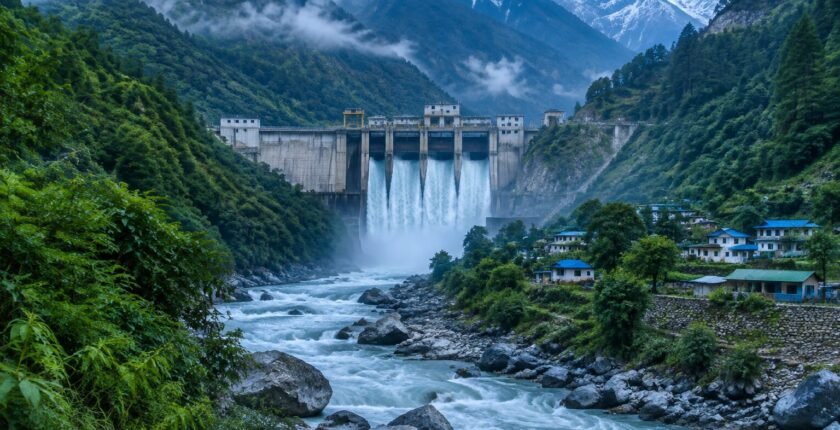
Arunachal Pradesh hydropower is back at the top of the state government's agenda. Chief minister Pema Khandu wants nearly 19,000 MW of projects fast-tracked, and he is asking state-owned central companies, private developers and other parties to work in closer step. He made the push on Friday while chairing the state's 12th steering committee meeting on hydropower development. The timing matters. Opposition to the proposed Siang dam is growing, yet neither the remarks quoted from Khandu nor those attributed to his deputy, Chowna Mein, mention it. What the two leaders set out instead was a review of progress and a promise of faster delivery. They named no individual projects and attached no deadlines to the pipeline.
Our focus is to fast-track hydropower projects being developed through various CPSUs and private developers.
Pema Khandu, chief minister of Arunachal Pradesh, in a post on X
Key takeaways
- The push: Arunachal Pradesh chief minister Pema Khandu called for nearly 19,000 MW of hydropower projects in the state to be fast-tracked.
- The forum: Khandu made the call while chairing the 12th state-level steering committee meeting on hydropower, which central government officials, deputy commissioners, CPSUs and power developers attended.
- The minister in charge: Deputy chief minister Chowna Mein, who holds the power and hydropower portfolios, tied the projects to the state economy and to India's clean energy goals.
- The unanswered dispute: The push comes as opposition to the proposed Siang dam grows, and neither leader's quoted remarks address it.
Table of contents
What Khandu Asked For at the Steering Committee
Khandu chaired the meeting on Friday. Around the table were representatives of the central government, deputy commissioners, central public sector undertakings, power developers and private companies. Central public sector undertakings, or CPSUs, are companies owned by India's central government, and a number of them are building projects in the state alongside private firms.
The stated purpose was to review where projects stand and to work out how to clear the bottlenecks slowing them down. Participants discussed the hurdles in front of the projects, the need for closer coordination and the value of stepping in early when work stalls.
Khandu described the session on X. "Sat down with members, representatives from GoI, deputy commissioners, CPSUs, power developers and private-sector representatives at the 12th State-Level Steering Committee Meeting on Hydropower Development," he wrote. His second line set the priority plainly: "Our focus is to fast-track hydropower projects being developed through various CPSUs and private developers."
How Chowna Mein Frames the 19,000 MW Pipeline
Chowna Mein, Arunachal Pradesh's deputy chief minister, followed up with his own social media post on Saturday. Mein also holds the power and hydropower portfolios, which makes him the minister directly answerable for the pipeline. He said the meeting gave the government a chance to check progress and talk through the obstacles.
Mein put the total at nearly 19,000 MW of projects, spread across different stages of development. He did not break that figure down by project, developer or stage. From his statement alone, a reader cannot tell how much capacity is already being built and how much exists only on paper.
His stated goals had three parts: turn hydropower potential he described as vast into visible results, strengthen the state's economy, and contribute to India's clean energy goals. Those are aims rather than milestones. No commissioning dates, investment figures or year-by-year capacity targets came with them.
Why the Siang Dam Hangs Over the Push
The meeting took place as opposition to the proposed Siang dam was building. That context shapes how the push reads. The government is calling for speed across its hydropower programme at the same moment one proposed project faces public protest.
Neither Khandu's quoted posts nor Mein's remarks refer to the Siang dam or to the people protesting it. The message from both leaders was about coordination, bottlenecks and pace. Whether the Siang dam is among the projects Khandu wants fast-tracked is not stated in anything either man said.
That gap is the open question. A call for faster delivery is a statement of intent, and the committee did not publicly name the bottlenecks it discussed. Without a list of projects, a timetable or a response to the dam's opponents, nobody outside the room can judge how much of the 19,000 MW is moving and how much is contested.
| Speaker | Role | Channel | Day | Message |
|---|---|---|---|---|
| Pema Khandu | Chief minister, chaired the meeting | Post on X | Friday | Fast-track projects run by CPSUs and private developers |
| Chowna Mein | Deputy chief minister, holds power and hydropower portfolios | Social media post | Saturday | Review progress, ease bottlenecks, turn potential into results |
What could speed the pipeline, and what could slow it
The case for
- The steering committee has now met 12 times, giving the state a standing forum to review projects and chase delays.
- Khandu is pressing CPSUs, private developers and officials to coordinate, which targets the bottlenecks the meeting set out to address.
- Mein holds both the power and hydropower portfolios, so responsibility for delivery sits with one named minister.
The case against
- Opposition to the proposed Siang dam is growing, and the government's public remarks from the meeting do not engage with it.
- No project list, timetable or capacity breakdown accompanied the 19,000 MW figure, which makes progress hard to measure.
- The bottlenecks discussed were not publicly identified, so it is unclear what interventions would actually change.
What to be careful about
- Protests against the proposed Siang dam could delay that project regardless of the state's push for speed.
- Without a published breakdown of the nearly 19,000 MW, claims of faster progress cannot be checked against specific projects.
- The programme depends on coordination among central government bodies, deputy commissioners, CPSUs and private developers, and the leaders themselves flagged the need to improve it.
The bottom line
Arunachal Pradesh's leadership has made its priority plain. Khandu wants nearly 19,000 MW of hydropower delivered faster, through CPSUs and private developers working in closer step. Mein, as the minister holding the power portfolio, ties that programme to the state's economy and to India's clean energy goals. What the government has not done, in its public remarks from this meeting, is engage with the opposition to the Siang dam. This was the committee's 12th sitting, so the state already has a standing forum for these reviews. The test of the push will be whether later meetings report named projects moving forward, and whether the Siang dispute gets an answer rather than being left beside the agenda.
What to watch
- Watch for the next sitting of the state-level steering committee on hydropower, which would be its 13th; no date has been set.
- Watch for whether the Arunachal Pradesh government responds publicly to opponents of the proposed Siang dam; no date has been given for any response.
- Watch for a project-by-project breakdown of the nearly 19,000 MW pipeline; none has been published or scheduled.
Frequently asked questions
What does the 19,000 MW figure in Arunachal Pradesh refer to?
It is the combined capacity, put at nearly 19,000 MW by Khandu and Mein, of hydropower projects at different stages of development in the state. Neither leader broke it down by project or stage.
Who is building Arunachal Pradesh's hydropower projects?
Khandu said the projects are being developed through various CPSUs, which are companies owned by India's central government, and through private developers. He did not name individual companies.
Did the Arunachal government address the Siang dam protests at the meeting?
Not in the remarks quoted from Pema Khandu or attributed to Chowna Mein. Both focused on coordination, bottlenecks and faster delivery, even as opposition to the proposed Siang dam grows.
Which minister is responsible for hydropower in Arunachal Pradesh?
Deputy chief minister Chowna Mein holds the power and hydropower portfolios. Chief minister Pema Khandu chaired the 12th state-level steering committee meeting on hydropower development.
Related reading