
Blog
Hephae’s tool could cut superhot geothermal drilling costs
Estimated reading time: 6 minutes · Last updated:
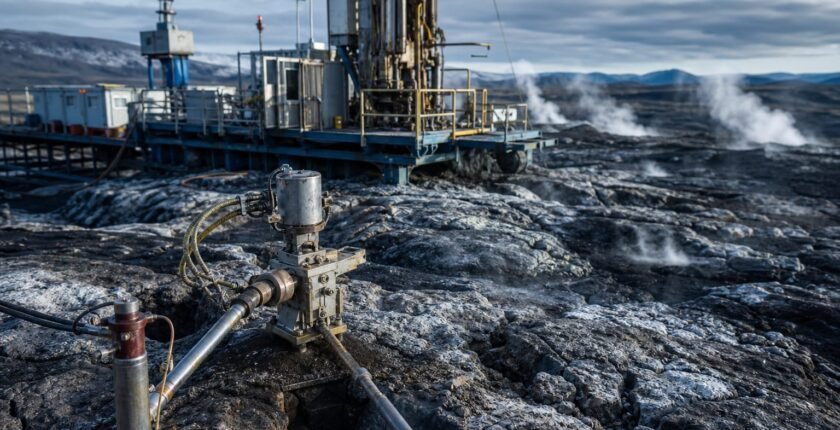
Hephae Energy Technology has fielded a high-temperature measurement-while-drilling rod at Fervo Energy’s 500-megawatt Cape Station to reduce costly pauses that slow superhot geothermal drilling. As first reported by Canary Media on 26 August 2026, Hephae — founded in 2020 by oil-and-gas veterans — says its device can operate to about 210℃ versus conventional systems rated around 175 degrees Celsius (347 degrees Fahrenheit), cutting the nonproductive time that can cost roughly $500,000 to $1 million per well. The company raised nearly $18 million in July and plans to expand its rental fleet as Fervo, Mazama Energy and other developers advance next-generation geothermal projects.
They just need to work a hell of a lot hotter,
Steve Krase, Hephae CEO
Key takeaways
- Hephae deployed its high-temperature measurement-while-drilling tool at Fervo Energy’s 500-megawatt Cape Station.
- Hephae says its system can withstand up to 210℃, versus conventional versions built for about 175 degrees Celsius (347 degrees Fahrenheit).
- Nonproductive pauses to cool drilling fluid can cost roughly $500,000 to $1 million per well, a key driver for higher-temperature tools.
- Hephae raised nearly $18 million in July and plans to grow its tool inventory from six to 18 by the second quarter of 2027, with a potential fleet of 40 by the end of 2027.
Table of contents
- Key takeaways
- Why higher-temperature drilling tools matter for geothermal
- How Hephae’s system is built and tested
- Funding, market momentum and who is backing drilling tools
- Scale-up, product roadmap and the timelines to watch
- What could move this either way
- What to be careful about
- Frequently asked questions
Why higher-temperature drilling tools matter for geothermal
Next-generation geothermal plants aim to extract heat from deeper, hotter rock rather than relying on underground steam pockets. Higher rock temperatures increase the energy yield per well, but they also raise the operating temperature inside the borehole where electronics run.
Measurement-while-drilling systems gather subsurface data and let crews steer the bit and manage the well in real time. Conventional versions are typically rated for around 175 degrees Celsius (347 degrees Fahrenheit). In geothermal projects that push beyond that, operators must pause drilling to cool the fluid and electronics. Those pauses create "nonproductive time," which the industry links to direct rig rental and staff costs of roughly $500,000 to $1 million per well.
Reducing or eliminating those cooling pauses shortens each well schedule and lowers the share of project cost that drilling represents. For sites such as Fervo’s Cape Station, which is planned to be a large-scale demonstration of these newer techniques, shaving days off drilling on each well changes the economics of expanded deployment.
How Hephae’s system is built and tested
Hephae’s founders adapted decades of oil-and-gas engineering to the hotter conditions targeted for geothermal wells. Their measurement-while-drilling package fits inside the drill string behind the cutting bit and uses stacked circuit modules and sensors to collect orientation and rock-property data.
The system transmits that information upward using pressure-pulse telemetry similar to tools used in other sectors, but Hephae’s design routes heat away from the electronics so the tool can operate at higher temperatures. The company says the rod can handle temperatures up to about 210℃ in active use, and it has taken the hardware through tests at an Oklahoma facility and at a high-temperature gas well in Texas before the deployments in Utah.
Hephae deployed its commercial tool for the first time at Cape Station earlier in 2026 and has run additional strings there, and the firm expects to ship another unit to Mazama Energy as that developer ramps drilling near Newberry Volcano in Oregon.
Funding, market momentum and who is backing drilling tools
Investors are backing a range of startups that supply parts of the geothermal drilling chain rather than taking on full plant risk. Cleantech Group tallied seven startups that have secured a combined $393 million in venture funding since 2021 to advance drilling systems and components. Separately, geothermal drilling startups raised $218 million from January to August 2026.
Notable raises include Quaise Energy’s $134 million round to pursue rock‑melting drilling and plant construction near Newberry Volcano. Hephae itself raised nearly $18 million in July to scale commercial deployments and tool rentals.
Observers quoted in industry coverage say that funding across suppliers is a way for investors to gain exposure to the geothermal opportunity without underwriting a whole power plant. That same dynamic makes it important for suppliers such as Hephae to prove reliability in the field so developers can adopt their gear across multiple projects.
Scale-up, product roadmap and the timelines to watch
Hephae plans to increase its available fleet from six tools to 18 by the second quarter of 2027 and has said the total could reach 40 by the end of 2027 as partners like Fervo and Mazama drill commercial wells. The company is also investing in research and development to design systems for temperatures above 300℃, which it hopes to offer by 2030.
For developers, reliability at higher temperatures lets crews spend less time on cooling cycles and more time drilling. Fervo has publicly tied faster access to hot rock to the economics of its program; Cape Station is expected to be fully online by 2028. Those schedules make commercial-grade drilling tools a near-term bottleneck if suppliers cannot scale.
The next 18 months will show whether high‑temperature electronics, field testing and rental logistics can move from demonstration to routine service at multiple sites.
| Company | Focus | Notable funding | Deployment / timeline |
|---|---|---|---|
| Hephae Energy Technology | High-temperature measurement-while-drilling tools (Pandora210) | nearly $18 million (July 2026) | Deployed at Fervo's Cape Station; fleet growth to 18 by Q2 2027, 40 by end of 2027 |
| Quaise Energy | Rock-melting drilling | $134 million | Advancing pilot near Newberry Volcano |
| Mazama Energy | Next-gen geothermal pilot development | — | Scheduled to receive a Hephae tool for its Newberry project |
What could move this either way
The case for
- Higher-temperature tools reduce cooling pauses, directly lowering the roughly $500,000–$1 million per-well cost tied to nonproductive time.
- Hephae’s commercial tests at Cape Station and earlier trials in Oklahoma and Texas create a pathway to scale rental fleets quickly from six to 18 units by the second quarter of 2027.
- Investment across the supply chain — $393 million for seven startups since 2021 and $218 million raised in January–August 2026 — supplies capital for further tool development and manufacturing.
The case against
- Field reliability at sustained temperatures above 210℃ is unproven at commercial scale, and failures would slow adoption and reduce the value of early deployments.
- Tool production, rental logistics and trained crews must scale in lockstep; delays in any link could leave developers unable to meet planned schedules such as Cape Station’s 2028 online target.
- Competition from alternate drilling approaches, including Quaise’s rock‑melting method, could shift investment away from high‑temperature electronics if those alternatives prove faster or cheaper.
What to be careful about
- Unproven long-term reliability for electronics operating at or above 210℃ in geothermal boreholes.
- Manufacturing or supply-chain constraints that prevent Hephae from expanding from six units to the planned 18 and then to 40 by end of 2027.
- Project schedule slippages at large developers such as Fervo that reduce near-term demand for high-temperature drilling tools.
The bottom line
High-temperature drilling tools are a narrow but critical piece of the next-generation geothermal puzzle. Hephae’s fielded rod—rated to about 210℃ and now deployed at Fervo’s 500-megawatt Cape Station—targets the specific cost driver of cooling pauses that can add roughly $500,000 to $1 million per well. The company’s near-term plan to expand from six tools to 18 by Q2 2027, and possibly to 40 by the end of 2027, creates a measurable test of whether suppliers can match developer schedules. If high-temp electronics prove reliable in repeated commercial cycles, those gains would unlock faster, cheaper access to hotter rock and make larger geothermal builds more competitive.
What to watch
- Watch for Hephae to increase its fleet from six tools to 18 by the second quarter of 2027.
- Watch for Fervo Energy’s Cape Station to come fully online by 2028.
- Watch for Hephae’s R&D to produce systems rated above 300℃ by 2030.
Frequently asked questions
How much can cooling pauses add to the cost of a geothermal well?
Industry figures cited for these projects link nonproductive pauses to costs of roughly $500,000 to $1 million per well, driven mainly by ongoing rig rental and crew expenses while the borehole is cooled.
What temperature range separates conventional drilling tools from Hephae’s design?
Conventional measurement-while-drilling systems are typically built for about 175 degrees Celsius (347 degrees Fahrenheit), while Hephae says its tool can operate up to around 210℃ and is developing hardware aimed above 300℃ by 2030.
How much venture capital is flowing into geothermal drilling technology?
Cleantech Group counted seven startups that have raised a combined $393 million since 2021; separately, geothermal drilling startups raised $218 million between January and August 2026, and Quaise’s recent round was $134 million.
Related reading