
Blog
Julius Nyerere Hydropower Project doubles Tanzania’s power
Estimated reading time: 4 minutes · Last updated:
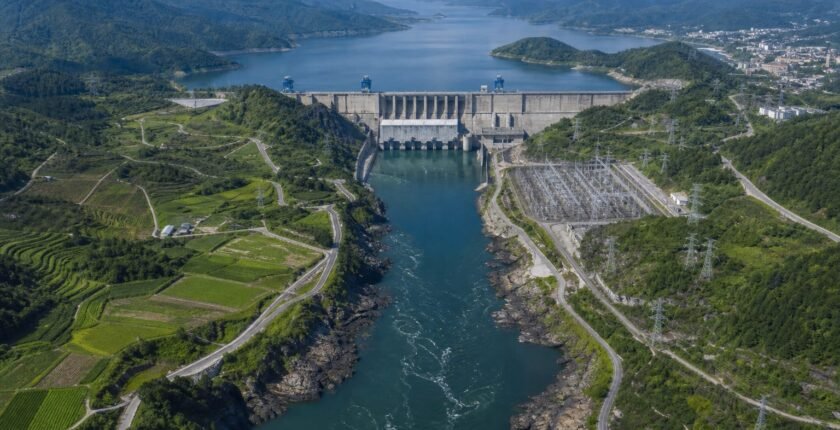
The 2,115-megawatt Julius Nyerere Hydropower Project (JNHPP) in Tanzania began commercial operation on Saturday, more than doubling the country's generation capacity and creating a 2,375-megawatt surplus available for export. The plant on the Rufiji River cost about 7.45 trillion Tanzanian shillings ($2.84 billion) and lifts national capacity to 4,646 megawatts against a peak demand of 2,271 megawatts, Energy Minister Deogratius Ndejembi said. President Samia Suluhu Hassan, who inaugurated the plant, said it would spur jobs, investment and GDP growth. The commissioning was, as first reported by Reuters, completed after construction began in 2019 and despite opposition over impacts on the Selous Game Reserve.
We are confident that this project will increase opportunities for business, investment, and production, create jobs, and boost individual income and the national GDP as a whole
Samia Suluhu Hassan
Key takeaways
- Plant size and cost: The Julius Nyerere Hydropower Project is 2,115 megawatts and cost about 7.45 trillion Tanzanian shillings ($2.84 billion).
- System impact: The plant lifts Tanzania's total capacity to 4,646 megawatts against peak demand of 2,271 megawatts, leaving a 2,375-megawatt surplus, Energy Minister Deogratius Ndejembi said.
- Politics and environment: President Samia Suluhu Hassan said the project will create jobs and boost GDP, while conservation groups warned of damage to the Selous Game Reserve, a UNESCO-listed area.
Table of contents
How the plant changes Tanzania's power balance
The JNHPP raises Tanzania's total generation to 4,646 megawatts, more than double the pre-existing fleet and leaving a 2,375-megawatt surplus relative to peak demand of 2,271 megawatts. Energy Minister Deogratius Ndejembi said the surplus creates scope for regional exports, and Tanzania is already in discussions with Kenya and Zambia. Hydropower will now supply around 60% of the country's electricity, with natural gas providing much of the remainder. That excess alters planning for both domestic supply and regional sales.
Cost, timeline and controversy
Construction of the Julius Nyerere Hydropower Project began in 2019 on the Rufiji River and cost about 7.45 trillion Tanzanian shillings, or $2.84 billion. Conservation groups criticised the project because the dam sits within the Selous Game Reserve, a UNESCO-listed protected area noted for elephants, black rhino and cheetah. President Samia Suluhu Hassan acknowledged the controversy but said Tanzania proceeded because of the plant's national economic importance. Environmental monitoring will be required for downstream habitats.
What the surplus could deliver for exports and industry
Tanzania's Ministry of Energy says the additional 2,375 megawatts will strengthen the country's bargaining position in East Africa's power market and could support new industrial zones that require reliable baseload supply. President Hassan said the plant will create jobs and raise individual incomes, and the government has signalled plans to pursue export contracts with neighbouring grids. How quickly that extra generation attracts industrial investment will depend on transmission capacity, firm export agreements and grid-management decisions that Tanzania's Ministry of Energy and the national grid operator must still finalise. Upgrading transmission infrastructure will be the immediate test of export readiness.
What could move this either way
The case for
- Export revenue: the 2,375-megawatt surplus could generate foreign-exchange earnings if Tanzania finalises sales to neighbours such as Kenya and Zambia.
- Industrial growth: a reliable baseload from 2,115MW of hydropower can lower energy costs for manufacturers and attract investment into industrial zones.
The case against
- Environmental constraints: impacts on the Selous Game Reserve could prompt legal challenges, mitigation costs and reputational damage that slow operations.
- Grid readiness: without transmission upgrades and signed export contracts, the 2,375MW surplus may remain unused or constrained to domestic balancing.
What to be careful about
- Environmental litigation or stricter mitigation requirements related to the Selous Game Reserve that increase operating costs or restrict flows.
- Insufficient transmission capacity between the Rufiji site and regional interconnectors, delaying export contracts for the 2,375MW surplus.
- Delay or failure to finalise commercial export agreements with neighbouring grids such as Kenya and Zambia.
- Operational risks during ramp-up that reduce available capacity below the reported 2,115 megawatts in initial months.
The bottom line
The commissioning of the 2,115-megawatt Julius Nyerere Hydropower Project marks a step-change in Tanzania's power system: it more than doubles capacity and creates a 2,375-megawatt exportable surplus. The plant's 7.45 trillion-shilling ($2.84 billion) price tag and its location in the Selous Game Reserve mean economic gains will be balanced against environmental scrutiny and livelihoods. The immediate policy task is translating generation into secure exports and industrial investment, which depends on transmission upgrades, export contracts and operational planning by the energy ministry and grid operator. How Tanzania manages those steps will determine whether the project becomes a regional power hub or a long-running domestic controversy.
What to watch
- Watch for formal export agreements with Kenya and Zambia; no date has been set.
- Watch for the grid operator's published plan to dispatch the 2,375-megawatt surplus; no date has been set.
Frequently asked questions
How large is the Julius Nyerere Hydropower Project?
The plant is 2,115 megawatts and takes Tanzania's total generation capacity to 4,646 megawatts, creating a 2,375-megawatt surplus versus a 2,271-megawatt peak demand.
What did the project cost and when did construction start?
Construction began in 2019 and the project cost about 7.45 trillion Tanzanian shillings, or $2.84 billion, according to the reporting.
What environmental issues have been raised?
Conservation groups warned that the dam on the Rufiji River affects the Selous Game Reserve, a UNESCO-listed area home to elephants, black rhino and cheetah, prompting calls for downstream monitoring and mitigation.
Related reading