
Blog
Google to buy 396 MW of geothermal power from Fervo
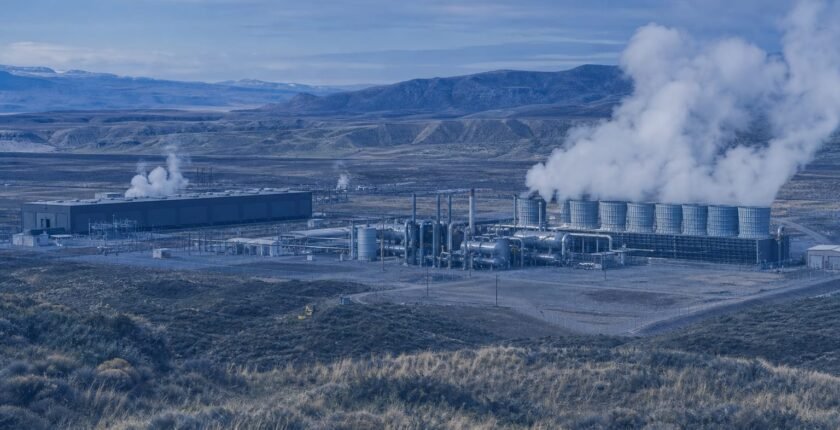
Estimated reading time: 5 minutes · Last updated:
Google has agreed to purchase 396 megawatts of geothermal power from Fervo Energy to serve a potential data center in Utah, with an option to add roughly 600 MW by June 2030 that would bring its total exposure close to 1 gigawatt. The electricity is planned to be produced at Fervo’s Cape Station enhanced geothermal systems project; the company anticipates commercial operation in 2028 and initial power deliveries in late 2026. Fervo has committed more than $2 billion to Cape Station, and the firm’s stock jumped nearly 14% in premarket trading after the deal was announced.
Key takeaways
- Contract size: Google agreed to buy 396 megawatts of geothermal power from Fervo Energy for a proposed Utah data center.
- Option to expand: Google holds an option to add about 600 MW by June 2030, potentially taking the total to nearly 1 gigawatt.
- Project timeline: Fervo expects Cape Station to begin commercial operations in 2028 and to supply an initial phase to the grid before the end of 2026.
- Commercial stake: Fervo has invested in excess of $2 billion at Cape Station; in response to the agreement’s disclosure, the company’s shares climbed close to 14% in premarket trading.
Table of contents
- Key takeaways
- What Google contracted and what it could become
- How enhanced geothermal systems at Cape Station work
- Why a tech giant is buying round‑the‑clock power
- What this deal could mean for geothermal and its limits
- Cases for and against a wider EGS build‑out
- What to be careful about
- Frequently asked questions
What Google contracted and what it could become
The core of the agreement is a 396 megawatt power purchase covering output from Cape Station, an enhanced geothermal systems (EGS) development in southwestern Utah. The contract is structured so Google can expand purchases by roughly 600 megawatts by June 2030; adding that optioned volume would push the firm's total offtake close to one gigawatt.
That option matters because a near‑gigawatt commitment from a single corporate buyer would be unusually large for geothermal projects today. Unlike intermittent renewables, firm geothermal output can serve as a stable baseload for compute‑heavy facilities; Google frames the supply as foundational for a potential Utah data center, though the company still must complete engineering reviews and obtain local approvals before siting and building the facility.
How enhanced geothermal systems at Cape Station work
Fervo’s Cape Station uses enhanced geothermal systems, which create or expand a subsurface reservoir by drilling and engineering rock permeability, then circulating fluid to extract heat. The approach adapts deep drilling techniques from oil and gas to develop geothermal electricity where natural hydrothermal resources are limited.
Fervo describes Cape Station as a large commercial demonstration of EGS technology. The company has invested more than $2 billion in the project and plans staged delivery: an initial phase that could begin feeding power to the grid before the end of 2026, followed by a ramp toward full commercial operation targeted in 2028.
Why a tech giant is buying round‑the‑clock power
Data centers built for artificial intelligence and other intensive computing require steady, dispatchable electricity around the clock. Google and other hyperscalers have increased interest in firm carbon‑free sources because solar and wind alone cannot guarantee continuous supply without large amounts of storage or backup generation.
Securing a long‑term agreement for geothermal output reduces exposure to hourly intermittency and can help meet corporate decarbonization targets while supporting high‑utilization compute loads. Google frames the purchase as a building block for its expansion of AI infrastructure rather than a final decision on a specific data‑center site; the company still faces engineering, permitting and commercial choices before a facility is fixed on the map.
What this deal could mean for geothermal and its limits
A prominent offtake commitment from Google would be commercially meaningful for enhanced geothermal systems (EGS) because it signals corporate readiness to pay for firm clean electricity. Fervo characterizes the 396 MW deal as the largest of its kind to date for enhanced geothermal PPA capacity; if additional buyers follow suit, developers could find it easier to raise finance to scale engineered reservoirs beyond pilot projects.
EGS carries technical and permitting challenges. Constructing engineered reservoirs at depth is technically complex and can prompt local opposition, and the project must still secure regulatory approvals and pass technical reviews. The proposed schedule — early deliveries in late 2026 followed by full commercial operation in 2028 — will be a test of whether EGS can meet utility-scale timelines and budgets.
Cases for and against a wider EGS build‑out
The case for
- Large corporate offtakes provide revenue certainty and could unlock private capital for additional EGS projects.
- Firm, carbon‑free geothermal can reduce reliance on storage and provide continuous baseload for AI and other high‑use data centers.
- A successful Cape Station commercial launch in 2028 would demonstrate that EGS can scale beyond pilot sites.
The case against
- EGS requires high‑risk drilling and reservoir engineering that can delay schedules or increase costs despite the $2 billion commitment.
- Local permitting, seismic concerns and grid interconnection approvals could slow or restrict Cape Station’s deployment.
- If early production misses targets, corporate buyers may push for repricing or delays, undermining financing assumptions for follow‑on projects.
What to be careful about
- Permitting and local approvals in Utah could delay or limit project buildout and commercial operations.
- Reservoir creation and drilling risk inherent to EGS can produce lower than expected output or require additional capital.
- Cost escalation despite Fervo’s reported $2 billion commitment could force schedule slips or changes to contracted volumes.
- Grid interconnection or transmission constraints may limit the ability to deliver contracted power to a specific Google data‑center site.
The bottom line
The Google–Fervo agreement is a notable corporate bet on engineered geothermal as a source of firm, carbon‑free electricity for high‑use computing. The 396 MW purchase, plus an option to expand by about 600 MW by June 2030, gives EGS a large potential anchor customer and a timeline that will test the technology’s ability to deliver at scale. Outcomes hinge on the technical success of reservoir engineering, timely permitting and the project meeting its stated delivery milestones, but a functioning Cape Station in 2028 would mark a clear inflection point for commercial EGS.
What to watch
- Watch for Cape Station to begin initial grid deliveries before the end of 2026; Fervo has set that milestone for the project's first phase.
- Watch for Cape Station to reach commercial operations in 2028, the target year given for full commercial launch.
- Watch whether Google exercises its option to add about 600 MW by June 2030, which would bring the total commitment close to 1 GW.
Frequently asked questions
How much power did Google agree to buy from Fervo?
Google agreed to purchase 396 megawatts of geothermal power from Fervo Energy, with an option to add about 600 megawatts by June 2030 that could raise the total near 1 gigawatt.
What is enhanced geothermal systems (EGS)?
Enhanced geothermal systems engineer a subsurface reservoir by drilling and increasing rock permeability, then circulate fluid to extract heat; Fervo uses those techniques at Cape Station to produce electricity where natural reservoirs are insufficient.
When will Cape Station start producing power?
Fervo says an initial phase could make early deliveries to the grid by late 2026 and that Cape Station is expected to enter commercial operations in 2028.
Related reading
This article is information, not financial advice. Anyone acting on it should do their own checks.