
Blog
First Drive in a Solar Car on the California Coast
Estimated reading time: 3 minutes · Last updated:
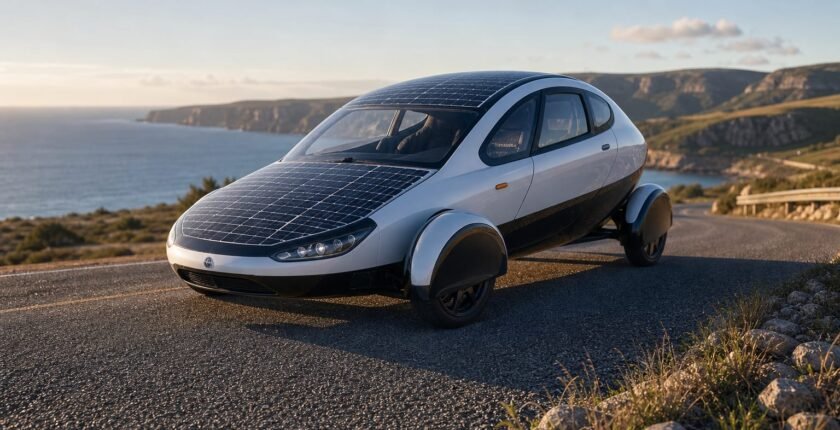
Michael J. Coren drove a solar car along the California coast and said sunlight supplied the vehicle's energy as he passed conventional gas stations. He frames the trip as a contrast between petrol infrastructure and a vehicle that harvests sunlight to recharge while in use or when parked. Coren's account is first‑hand and observational: it recounts a short test drive and his impression that on‑vehicle solar capture changed the routine of refuelling.
Key takeaways
- Author and column: Michael J. Coren launched the first edition of his Future Coach column and drove a solar car.
- Where the drive took place: Coren reported driving on the California coast and described the car taking energy from sunlight during daylight.
- Source of the reporting: The observations originated with Coren and reflect his firsthand impressions.
Table of contents
A daylight drive that emphasises on‑vehicle solar capture
Coren describes a short coastal run in which rooftop panels kept the car's battery supplied during daylight hours. He does not provide production figures or certified range numbers; his account is experiential, focused on how the vehicle felt to drive and how energy arrived from sunlight rather than a fuel pump.
He frames the scene as evidence of a different refuelling experience for sunny routes: the road, the petrol stations and the car's panels are presented as alternate means of delivering motive energy. solar charging
A personal column, not a technical specification
Coren says his writing mixes personal reaction with argument; the observations originate with him.
He uses the drive to question whether parts of everyday refuelling will feel unnecessary when a vehicle can gather sunlight during ordinary use, though he offers no production figures or firm deployment timelines.
What the drive does not settle
Coren limited his account to a short drive and his impressions; he did not provide technical data such as panel output, battery capacity or certified range. He described an experience rather than presenting a lab test.
Readers should treat the drive as an illustrative anecdote: suggestive about practical potential but not proof of mass‑market readiness.
Two ways to read the column
The case for
- Anecdote shows practical potential: Coren's drive suggests on‑vehicle solar capture can reduce the need to visit petrol stations on sunny routes.
- The personal account makes the technology tangible for everyday readers, which can accelerate interest and follow‑up reporting.
The case against
- The single drive supplies no technical metrics, so its implications for fleet economics, range in varied conditions or production feasibility remain unaddressed.
- Absent manufacturer specifications, cost data and repeat testing, the anecdote cannot indicate likely market adoption or gasoline‑demand effects.
What to be careful about
- Overgeneralising from a single, anecdotal drive without technical specifications.
- Mistaking an experiential column for independent testing or certified performance data.
- Missing manufacturer identity, production plans and cost details that determine real‑world impact.
The bottom line
In his first Future Coach contribution, Coren provides a one‑highway run that illustrates how a solar‑equipped car can alter the routine of filling up on sunny routes. The anecdote anchors a technological claim in everyday driving but leaves open the engineering, cost and infrastructure questions that determine whether such vehicles would reduce gasoline demand at scale. For readers, his account flags a development worth watching: on‑vehicle solar capture may supplement or replace some retail refuelling on sunny drives, even though Coren supplied no technical or market figures. It points to the need for follow‑up reporting with measurements, manufacturer details and cost comparisons before drawing conclusions about broader adoption.
What to watch
- Watch for follow‑up Future Coach columns from Michael J. Coren; no date has been set.
- Watch for manufacturer technical releases or press briefings about this vehicle; no date has been set.
- Watch for independent test data or certification reports from the carmaker or testing agencies; no date has been set.
Frequently asked questions
Who wrote the column and where was it published?
Michael J. Coren wrote the first Future Coach installment, and The Washington Post published the observations.
Did Coren provide technical specifications for the vehicle?
No; Coren's column reports impressions from a short drive and includes no panel output, battery capacity or certified range figures.
Where did the drive take place and what did Coren compare it to?
The drive took place along the California coast; Coren contrasts passing conventional gas stations with a vehicle that harvests sunlight during ordinary use.
Related reading