
Blog
Nepal Floods Expose Hydropower Risks, Push for Wind
Estimated reading time: 5 minutes · Last updated:
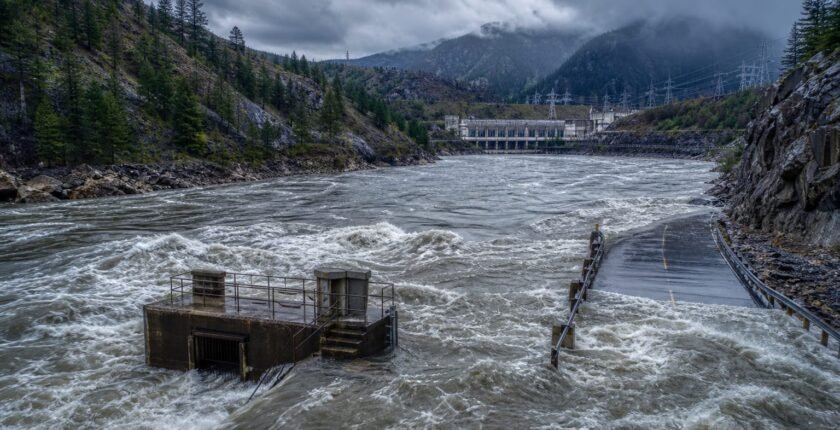
On 26 August 2026 a glacial flood left about 1,000 people dead and nearly 4,000 missing and damaged roughly 10 percent of Nepal’s installed electricity generation, directly testing the country’s glacier-fed system and its export strategy. The loss struck at a system that produced around 11 TWh by 2024 from rivers that supply over 95 percent of Nepal’s electricity and that by May 2026 had about 4,200 MW of installed capacity. The immediate effects include damaged plants and transmission, requests for early power imports from India, and a reconstruction bill estimated at $4–$5 billion, as first reported by the Center on Global Energy Policy.
Key takeaways
- Human and capacity impact: The 26 August flood left roughly 1,000 dead, close to 4,000 missing (as of 1 September), and damaged or disrupted about 10 percent of Nepal’s installed generation.
- Damaged projects: Twelve generation sites totaling 431 MW were damaged, of which 406 MW were hydropower; an additional 15 under-construction projects totalling 470 MW also sustained damage.
- Cost and fiscal pressure: Initial assessments put reconstruction costs at about $4–$5 billion, near a tenth of Nepal’s GDP, raising questions about the mix of grants, concessional loans, insurance and sovereign borrowing.
- System shift since 2020: Between 2020 and 2024 Nepal’s hydro generation rose from 6.1 TWh to 11 TWh and by 2024 began exporting surplus power to India in the rainy season.
- Regional and policy lesson: Policymakers and analysts are highlighting diversification — including additions of wind and solar generation — and GLOF-specific safety and evacuation protocols as resilience priorities.
Table of contents
- Key takeaways
- What the flood did to supply and how Nepal is coping now
- Reconstruction costs, financing choices and fiscal exposure
- Design standards, worker safety and the GLOF risk
- Why wind and solar are now part of the resilience conversation
- How this episode could shape policy and investment
- What to be careful about
- Frequently asked questions
What the flood did to supply and how Nepal is coping now
The event that began on 26 August cut both generation and the grid. Officials and media reports list twelve generation sites with 431 MW damaged and a further 15 projects under construction totalling 470 MW that also suffered damage; of the 431 MW directly damaged, 406 MW were hydropower plants. Transmission and distribution assets were submerged in multiple locations, and more than 900 workers were reported trapped at plant sites when tunnels and entrances were blocked by mud and debris.
With losses concentrated in hydropower, Kathmandu moved quickly to shore up supply by requesting earlier-than-usual imports from India; Indian authorities signalled they could absorb the seasonal shift in flows and approve earlier shipments. Historically Nepal exported surplus during monsoon months and imported in winter when river flows fall; this season the balance has been inverted temporarily as damaged plants and submerged lines reduce domestic output.
Reconstruction costs, financing choices and fiscal exposure
Early damage estimates put rebuilding at about $4–$5 billion, roughly a tenth of Nepal’s GDP. That size of bill will test whether recovery is funded with grants, concessional financing, insurance payouts where available, or new sovereign borrowing, and each choice will affect Nepal’s fiscal balance and future borrowing capacity.
Project-level finance complicates the picture. Some large projects are structured as public–private partnerships: Upper Trishuli-1 is a 216 MW plant that received a $453 million debt package from the International Finance Corporation and partners, while other plants such as the 111 MW Rasuwagadhi relied heavily on domestic sources, with around half of its financing coming from Nepal’s Employees Provident Fund. How those different financings absorb losses will shape investor appetite for future hydropower builds.
Design standards, worker safety and the GLOF risk
The flood was a glacial lake outburst flood (GLOF), a hazard the Stimson Center and peer-reviewed research have highlighted as growing with continued ice loss. Past events show GLOFs can inflict catastrophic damage: for example, the 4 October 2023 GLOF from South Lhonak Lake destroyed India’s 1,200 MW Teesta III facility and required two years to recover, with substantial loss of life.
In Nepal the damage profile shows a pattern: older plants with ground-level powerhouses and exposed desanders were severely affected, while newer designs with underground powerhouses generally fared better but still trapped workers when tunnel entrances were blocked. That pattern points to two priorities: mandating GLOF-specific scenarios in environmental and safety reviews, and tightening worker evacuation protocols and real-time monitoring inside tunnels and shafts.
Why wind and solar are now part of the resilience conversation
Nepal’s near-total reliance on glacier-fed rivers concentrates systemic risk in a way few electricity systems face. Analysts and policymakers are therefore framing diversification — including meaningful additions of wind and solar generation — as a resilience measure that reduces single-point failure from river-dependent generation.
Diversification is not a free fix: adding grid-connected wind and solar requires transmission upgrades, storage or dispatchable backup, and upfront investment. But in the context of recurrent extreme hydrological events and uncertain financing for large dams, distributed wind and solar capacity can limit the scale of annual shortfalls, shorten recovery times after shocks, and reduce reliance on emergency imports.
| Item | Status | Capacity (MW) | Financing / notes |
|---|---|---|---|
| Damaged generation sites (group) | Operational damage | 431 | 406 MW of the 431 MW were hydropower plants |
| Under-construction projects damaged | Construction sites damaged | 470 | 15 projects under construction affected |
| Upper Trishuli-1 | Under-construction, damaged | 216 | $453 million debt package from IFC and partners |
| Rasuwagadhi | Severely damaged | 111 | Around half financed by Employees Provident Fund (domestic) |
How this episode could shape policy and investment
The case for
- Diversification toward wind and solar plus targeted storage and transmission upgrades reduces single-point hydropower exposure and shortens outages after future GLOFs.
- Increased cross-border transmission capacity and early import agreements with India can provide rapid supply relief while damaged domestic assets are repaired.
The case against
- Large reconstruction bills funded by new sovereign borrowing or contingent liabilities in public–private projects could weaken Nepal’s fiscal position and slow future infrastructure plans.
- If design standards and safety protocols are not updated to include GLOF-specific scenarios, future hydropower investments will remain vulnerable to catastrophic loss and worker safety incidents.
What to be careful about
- Renewing large-scale hydropower buildouts without GLOF-tailored design and monitoring could multiply exposure to catastrophic losses.
- Delayed or insufficient international funding could force Nepal to rely on expensive commercial borrowing, worsening fiscal stress.
- Worker safety gaps in tunnel evacuation and realtime monitoring risk further casualties during future flood events.
The bottom line
The August 2026 glacial flood has exposed a structural vulnerability in Nepal’s recent shift to a hydropower-led electricity system. With roughly 10 percent of capacity impaired, major reconstruction costs looming and worker safety failures evident, policymakers face a choice: accelerate large-scale hydropower rebuilds under tighter GLOF-aware standards, or rebalance the power mix with distributed wind and solar plus grid upgrades. How Nepal finances recovery—grants, concessional finance, insurance or new borrowing—will shape whether its 2035 expansion remains viable or becomes a longer-term fiscal and physical risk.
What to watch
- Watch CGEP events at Climate Week (21-25 September 2026) for panels and briefings on reconstruction and resilience.
- Watch for Nepali government decisions on reconstruction financing and the chosen balance of grants, concessional loans, insurance payouts and sovereign borrowing; no exact date has been set.
- Watch Nepal’s progress toward its target of developing up to 30,000 MW by 2035 and how that plan is adjusted in response to GLOF risk.
Frequently asked questions
How much generating capacity did the floods damage?
Reports list twelve generation sites with 431 MW damaged in total, of which 406 MW were hydropower plants, and an additional 15 under-construction projects totalling 470 MW also sustained damage.
How large are the reconstruction costs and what will they mean for Nepal’s finances?
Initial assessments put reconstruction costs at about $4–$5 billion, roughly a tenth of Nepal’s GDP, which will influence whether recovery is funded by grants, concessional loans, insurance or new sovereign borrowing.
Why are wind and solar being proposed as part of the response?
Because over 95 percent of Nepal’s electricity comes from glacier-fed rivers, adding wind and solar generation is being argued as a resilience measure that diversifies sources, reduces single-point failure risk and shortens outage durations after hydrological disasters.
Related reading