
Blog
Nepal hydropower tunnels hit by deadly Trishuli floods
Estimated reading time: 6 minutes · Last updated:
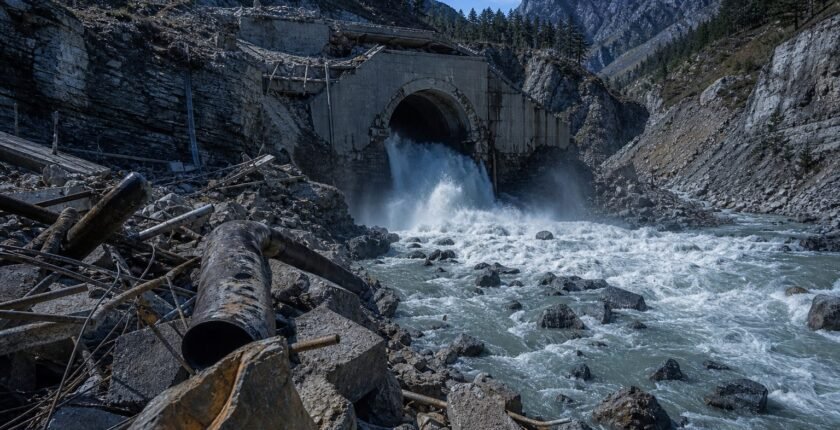
As first reported by the BBC, flash floods from the Trishuli River crashed into hydropower tunnels in central Nepal, chasing and trapping construction workers and leaving more than 1,000 people dead and about 4,000 missing. Pemba Dundu Tamang, one of roughly 30 workers on his team, says he ran for about 20 minutes as water followed him uphill and that 50 to 60 labourers escaped the tunnel with him. Engineers and the Nepal Army are still working at multiple hydropower sites to pump air into tunnels, blast debris and find people who remain trapped. The Upper Trishuli 3B Hydropower Project, where some victims were working, was due to open next year and now faces an uncertain future.
The water was chasing behind me and I was running ahead of it.
Pemba Dundu Tamang
Key takeaways
- Death toll and missing: Nepal's government says the death toll has exceeded 1,000 and that about 4,000 people are missing after the Trishuli floods.
- Workers affected: A construction team of about 30 was at the Upper Trishuli 3B Hydropower Project; Pemba Dundu Tamang says 50 to 60 workers escaped the tunnel with him.
- Rescue operations: The Nepal Army reported that 119 people had been rescued on Tuesday and soldiers are collecting bodies and preventing disease.
- Glacier warning signs: Satellite analysis by the Asian Mountain Academic Alliance, the Stimson Centre and China's Institute of Mountain Hazards and Environment indicated the glacier had sped up and that a fissure was developing.
Table of contents
How workers escaped and what survivors say
Pemba Dundu Tamang and his colleagues were lining a tunnel at the Upper Trishuli 3B Hydropower Project when a sudden gust of air signalled the incoming collapse. Tamang says his team numbered about 30 and that he ran for roughly 20 minutes as water chased him uphill; he estimates 50 to 60 workers escaped the tunnel alongside him.
Survivors describe chaos: plywood and machinery were ripped away, houses outside the site had already been swept away, and many labourers were at work across a network of tunnels along the Trishuli River. Tamang and others lost close family members in the flood; he says six of his relatives are gone and his colleague Itha Ghale says eight members of his family died.
Those who escaped took temporary refuge in the village of Shanti Bazar until army teams reached them. Several workers told reporters they believed more could have been saved if resources and warnings had been in place before the avalanche struck.
Scale of the disaster and the rescue operation
The flood has already produced a high human toll: Nepal's government says the death count has exceeded 1,000 and about 4,000 people are missing. The Nepal Army said 119 people had been rescued on Tuesday, and its spokesman Raja Ram Basnet told AFP the force is focused on search-and-rescue, collecting bodies and preventing disease.
Rescuers and engineers are operating at several hydropower sites to find trapped workers, using excavators and heavy machinery to blast through mud and debris. Teams have pumped air into tunnels to keep pockets survivable while they try to reach anyone still inside.
International specialists from China, India and Nepal are reported to be assisting on site, and agencies continue to move equipment and personnel to the affected projects. The prospect that some hydropower plants could be shut or damaged raises immediate concerns about workers' livelihoods and local electricity supplies.
What satellite evidence says about the avalanche
Satellite imagery from the days before the event, reviewed by the Asian Mountain Academic Alliance, the Stimson Centre and China's Institute of Mountain Hazards and Environment, showed signs the mountainside was destabilising. Their analysis found the glacier was accelerating, meltwater had become brownish and a fissure was forming in adjacent rock.
The three organisations said those features can signal an imminent collapse, but they warned the mass of ice and rock descended faster than standard early-warning systems could alert people at the most exposed sites. They added that further downstream — where the floodwaters took about ten minutes or longer to arrive — a comprehensive, integrated warning network might have given residents time to escape and therefore likely would have reduced casualties.
The scientists' findings underline two limits: detection of mountain instability from space can identify risk, but rapid on-site avalanches can still outpace local alerts, and any downstream warning network requires time to reach communities and worksites before the flood arrives.
Economic and social fallout for workers and projects
Hydropower provides over 99% of Nepal's electricity, and the affected sites include major projects intended to boost supply. The Upper Trishuli 3B Hydropower Project, where several of the trapped workers were employed, was due to open next year; survivors fear its closure or delay will leave many without income.
Workers such as Tamang warn that if projects are suspended the local workforce will face immediate hardship. He says surviving feels meaningless and that he worries about going hungry if work does not resume.
Authorities must balance urgent rescue and body-recovery work with decisions about repairing or mothballing damaged infrastructure. How quickly sites can be cleared and assessed will shape both the local humanitarian response and the national electricity outlook.
How the situation could evolve
The case for
- Continued rescue work and the involvement of specialists from China, India and Nepal increase the chance of finding survivors still in tunnels.
- Satellite evidence of instability gives a concrete diagnostic that authorities can use to prioritise monitoring and downstream warnings, potentially reducing future risk.
The case against
- High numbers still missing — about 4,000 — and signs of glacier collapse mean casualties may rise and recovery will be prolonged.
- Damage to major projects such as Upper Trishuli 3B could leave local workers unemployed and complicate Nepal's electricity supply given hydropower generates over 99% of its power.
What to be careful about
- People remain trapped in mud-filled tunnels and pockets of air may be limited, reducing the chance of long-term survival for those not yet reached.
- Large numbers of bodies in flood-affected areas raise the risk of disease that rescuers and local communities will need to manage.
- If hydropower plants are shut or delayed, displaced workers face immediate loss of income and local food insecurity.
- Further glacier or slope movement could create additional avalanches or floods while recovery operations are underway.
The bottom line
The Trishuli floods have combined sudden mountain collapse with downstream devastation, producing a high human toll and leaving thousands unaccounted for. Eyewitness accounts from workers such as Pemba Dundu Tamang underline how rapidly the deluge struck and how fragile on-site survivability can be. Satellite evidence points to measurable glacier instability before the event, suggesting some future tragedies could be mitigated by better monitoring and downstream warning systems. In the short term, rescue teams and heavy machinery will determine how many more people can be saved; in the medium term, decisions about damaged hydropower projects will shape livelihoods and Nepal's near-term electricity supply.
What to watch
- Watch for a final, official accounting of how many workers from the affected hydropower sites remain unaccounted for; no date has been set.
- Watch for the authorities' decision on the operational status of the Upper Trishuli 3B Hydropower Project; no date has been set.
- Watch for any announced upgrades or plans for a downstream warning system after the satellite analysis; no date has been set.
Frequently asked questions
How many people have died or gone missing in the Trishuli floods?
Nepal's government says more than 1,000 people have died and roughly 4,000 are missing following the Trishuli floods.
Which hydropower project did the trapped workers work on and when was it due to open?
Some workers were at the Upper Trishuli 3B Hydropower Project, and an official at the project said it was due to open next year.
What signs of glacier instability were reported and who analysed them?
The satellite images examined by the Asian Mountain Academic Alliance, the Stimson Centre and China's Institute of Mountain Hazards and Environment suggested the glacier had accelerated, the meltwater was discoloured and fractures were appearing in nearby rock.
Related reading