
Blog
Startup Says Hydrogen Injection Cuts Cargo Ship Fuel Use
Estimated reading time: 5 minutes · Last updated:
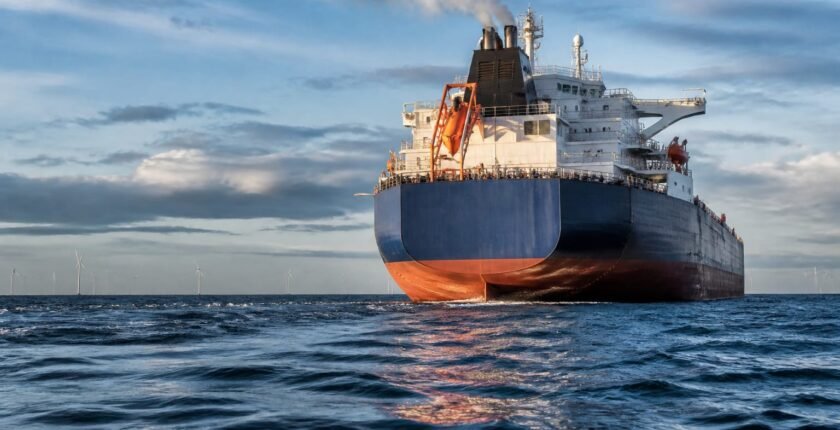
Newlight, a San Francisco Bay Area startup, says its hydrogen-injection retrofit can cut marine diesel use by roughly a quarter by timing small hydrogen pulses into existing engines. The company reported a 24% fall in fuel consumption and a 28% drop in CO2 across an 8,500-nautical-mile voyage on a 650-foot Lomar Shipping bulk carrier, and it claims installations take under two weeks without a dry dock. As first reported by TechCrunch, Newlight raised a $9 million seed round and says it has agreements to equip 12 vessels, positioning hydrogen injection as a lower-change alternative to ammonia or methanol conversions.
Key takeaways
- Test voyage results: Newlight said the retrofit delivered a 24% reduction in the amount of fuel used and a 28% cut in carbon dioxide emissions during an 8,500-nautical-mile voyage aboard a Lomar Shipping bulk carrier.
- Installation claim: Newlight said the system can be fitted in under two weeks and does not require a dry dock.
- Commercial traction: Newlight says it has signed agreements to install the hydrogen injection system on 12 vessels and plans broader fleet rollouts next year.
- Funding: Newlight closed a $9 million seed round that included lomarlabs, BIRD Energy, Undeterred Capital, CiRi Ventures and Fusion VC.
Table of contents
How Newlight times hydrogen to cut diesel use
Newlight’s retrofit does not replace a ship’s diesel engine. Instead, its hardware and control software inject small quantities of compressed hydrogen into the engine at precisely chosen instants so the engine needs less diesel fuel for the same power output. The company links a control unit to engine sensors and varies hydrogen flow every piston stroke to keep combustion within target parameters.
In practice that means the system pulls live telemetry from the engine—measures of combustion pressure, exhaust temperature and intake conditions—and uses those signals to decide when and how much hydrogen to introduce. Newlight frames the change as a hybrid approach: the diesel engine remains the primary mover while hydrogen contributes a timed energy boost that lets operators cut diesel flow.
Because the retrofit sits alongside existing fuel and combustion systems, Newlight argues the conversion needs fewer mechanical changes than full-fuel swaps to ammonia or methanol. That lower hardware footprint is central to the company’s claim that installations can avoid dry-docking and be completed in under two weeks.
Proof at sea and the backing behind it
Newlight reports a month-long commercial run as its first long-range validation. The company said technicians installed the system on a 650-foot Lomar Shipping bulk carrier and recorded a 24% reduction in fuel consumption and a 28% fall in CO2 emissions over the 8,500-nautical-mile voyage. Newlight also highlights potential operating-cost savings, saying some vessels could save as much as $500,000 a year.
Those test results helped secure a $9 million seed round. The raise included lomarlabs, the venture arm of Lomar Shipping; BIRD Energy, a U.S. Department of Energy and Israel Ministry of Energy joint venture; plus deep-tech and Israel–U.S. investor groups Undeterred Capital, CiRi Ventures and Fusion VC. The company says commercial interest has followed the trial and that it has signed agreements to fit the system on 12 vessels, with larger fleet deployments planned.
Limits, validation needs and the route to scale
Newlight's approach lowers the barrier to retrofit by leaving the diesel engine in place, but the company's claims rest on a single disclosed voyage and telemetry it provided. Newlight did not describe independent verification by a shipowner, a class society or a third-party testing body, so wider acceptance will depend on external certification and repeatable results across engine types and operating profiles.
Operational scaling also raises non-technical questions the company will need to resolve. Newlight must integrate across different engine manufacturers and vessel sizes, secure hydrogen bunkering or onboard storage strategies compatible with various trade routes, and align with classification societies’ safety and fuel-handling rules. The company says it already has agreements covering 12 vessels, which will be an early test of replicability before broader fleet rollouts.
Finally, comparative choices matter: other teams are pursuing ammonia and methanol routes that interchange fuel chemistry for greater carbon reductions over the long run. Newlight’s case is that a lighter retrofit with hydrogen can deliver quick fuel and emissions wins while operators consider deeper repower or alternative-fuel conversions.
| Approach | Change to engine | Reported fuel cut | Installation |
|---|---|---|---|
| Newlight hydrogen injection | Retrofit, no engine replacement | 24% (company report) | Under two weeks (company claim) |
| Ammonia injection/conversion | Significant engine changes or new engines | Varies by programme | Likely dry-dock and engine work |
| Methanol conversion | Fuel-system and possibly engine adjustments | Varies by programme | Requires fuel-handling changes |
Two realistic scenarios for adoption
The case for
- If Newlight’s numbers hold up under third-party testing, owners could retrofit many vessels quickly because the system leaves the diesel engine in place and, the company says, can be fitted without dry-docking.
- Commercial interest and the participation of lomarlabs and BIRD Energy in the $9 million seed round provide customer links and public–private backing that can accelerate early rollouts.
The case against
- The published evidence so far is limited to one company-run long-range voyage; failure to secure independent verification or class-society approval would slow uptake.
- Wider adoption depends on hydrogen availability, bunkering logistics and safety certification—factors that require coordination across ports, fuel suppliers and regulators before fleets convert at scale.
What to be careful about
- The reported fuel and emissions cuts are company claims based on a single disclosed voyage and have not been shown to independent auditors in the material.
- Regulatory acceptance and classification society approvals for onboard hydrogen handling are not documented and could delay fleet rollouts.
- Operational differences between engine brands and vessel trades may produce inconsistent results when scaling beyond the initial 12-vessel agreements.
- Hydrogen bunkering and supply chain limitations could constrain commercial benefit on routes without reliable hydrogen logistics.
The bottom line
Newlight’s hydrogen-injection retrofit offers a pragmatic path for owners seeking near-term fuel and emissions reductions without replacing engines. The startup brings convincing early data and customer links—an 8,500-nautical-mile trial and a $9 million seed round that includes Lomar Shipping’s venture arm—but broader adoption hinges on external validation, class approvals and hydrogen logistics across trade routes. Operators weighing retrofit options will need independent test results and clarity on bunkering before treating company claims as operational fact.
What to watch
- Watch for Newlight’s announcements about the 12-vessel agreements and which operators and ship types are involved; no date has been set.
- Watch for third-party verification or class-society certification of the retrofit’s fuel- and emissions-performance; no date has been set.
- Watch for commercial rollouts or installations beyond the initial agreements; no date has been set.
Frequently asked questions
How much fuel savings did Newlight report on its test voyage?
Newlight said its retrofit reduced fuel consumption by 24% and cut CO2 emissions by 28% over an 8,500-nautical-mile voyage on a 650-foot Lomar Shipping bulk carrier.
How long does Newlight say installation takes?
The company claims installations can be completed in less than two weeks and do not require dry-docking.
Who funded Newlight’s development?
Newlight closed a $9 million seed round with participation from lomarlabs, BIRD Energy, Undeterred Capital, CiRi Ventures and Fusion VC.
Related reading