
Blog
Arunachal explores geothermal power for border areas
Estimated reading time: 5 minutes · Last updated:
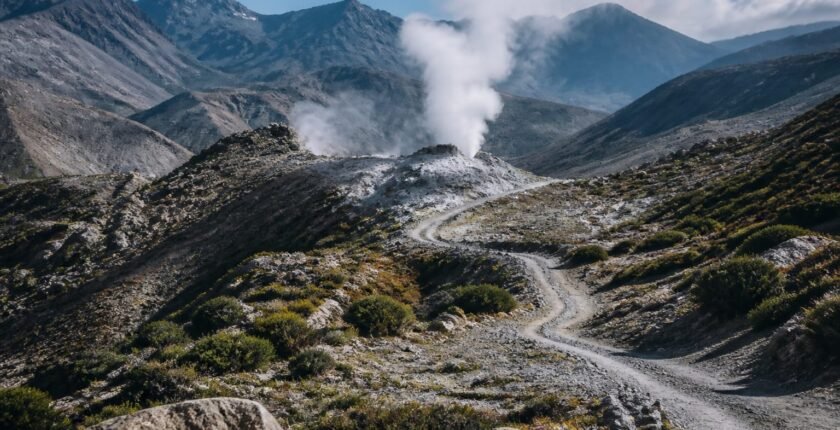
Arunachal Pradesh is exploring geothermal energy as a way to deliver local, reliable electricity to remote and border areas, science and technology minister Dasanglu Pul said on Saturday. The statement, reported by The Times of India, flags geothermal as a potential source of clean, locally generated power for parts of the state that remain hard to connect to the grid. Geothermal energy taps heat from beneath the Earth's surface and can supply steady baseload power; Pul's comment indicates the state government is weighing that option for sites where long transmission lines are costly or impractical, as first reported by The Times of India.
Key takeaways
- Dasanglu Pul, Arunachal Pradesh's science and technology minister, said the state is exploring geothermal energy for remote and border areas.
- The initiative is being discussed as a way to provide clean, reliable, locally generated electricity to communities that are difficult to connect to the grid.
- The Times of India published the minister's statement; reporter Joken Ete is based in Itanagar.
Table of contents
Why Arunachal is looking at geothermal now
Arunachal Pradesh's interest in geothermal reflects a basic policy need: supplying power in areas where grid extension is costly and slow. The state contains large tracts of difficult terrain and many settlements close to the international border; long transmission lines to those places raise both logistical and security challenges. Pul's statement frames geothermal as an option that could cut dependence on long-distance supply by generating electricity close to demand.
Geothermal is attractive for remote installations because it can deliver continuous, base-load power rather than the intermittent output of some renewables. The minister's remarks do not specify sites, capacities or timelines; they indicate an exploratory stage in which resource assessments and feasibility studies would come first. That sequencing — survey, study, then pilot — is the normal pathway for bringing geothermal projects to remote regions.
What local geothermal deployment would change for communities
Local geothermal generation could cut the need for diesel generators and reduce households' reliance on fuel deliveries during seasonal access problems. For villages that now face frequent outages or no reliable mains supply, an on-site geothermal plant—even a small-scale pilot—would offer a steady source of electricity for lights, refrigeration and communications.
Pul linked the plan to remote and border areas specifically; that suggests the government is thinking about energy security and resilience as much as emissions. The material does not state any financial or technical details, but a primary operational change would be shifting some energy supply from imported or long-distance sources to facilities sited near consumption points.
Technical and logistical hurdles the state will face
Geothermal development requires geological surveys, drilling capability and grid or microgrid integration—each a non-trivial task in Arunachal's terrain. Drilling to reach usable heat, testing resource temperature and flow, and securing contractor capacity are necessary steps before any scheme can move from concept to construction. The minister's comment does not name contractors or survey timelines, so those remain open questions.
Transporting drilling rigs, placing transmission or distribution infrastructure, and ensuring operation and maintenance in remote locations are additional logistical challenges. Any plan will need clarity on who pays for surveys and pilot work, and whether the state will seek central funding or private partners; the statement from Pul signals intent but not funding sources or procurement plans.
How a pilot or programme would normally be staged
A conventional sequence for geothermal deployment begins with a resource assessment, followed by an exploratory drilling programme and a feasibility study; if results are positive, a pilot plant is built before scaling up. The material records the state is exploring the potential but gives no dates or budget figures, so a staged approach remains the prudent expectation.
Pul's announcement is best read as an early policy signal: it opens the door for surveys and technical work that would clarify resource locations and potential capacity. The next practical steps would be formal surveys, public statements of intent or tenders—none of which are detailed in the report from The Times of India.
| Topic | What Pul said | Known detail | Unknown / needs verification |
|---|---|---|---|
| Scope | Explore geothermal for remote and border areas | Focus on local power provision | Exact sites and scale |
| Timing | Statement made on Saturday | Exploratory phase | Survey or pilot dates |
| Sponsorship | State interest signalled | State government involvement | Funding sources or partners |
Upside and downside for the plan
The case for
- Geothermal can provide steady, dispatchable power that reduces reliance on diesel and long transmission lines in remote communities.
- Local generation may improve energy security near the border and reduce logistical burdens for supply and maintenance.
The case against
- Resource uncertainty: subsurface heat and permeability vary; surveys may show limited viable resource in candidate sites.
- High upfront costs and complex logistics for drilling and plant construction could delay or limit deployment without clear funding commitments.
What to be careful about
- Geological risk: surveys and exploratory drilling may find insufficient temperature or flow for economical power.
- Logistics risk: moving rigs and equipment into remote districts can raise costs and extend schedules.
- Financial risk: absence of announced funding or partners means projects could stall after initial studies.
- Integration risk: connecting any plant to local distribution or microgrids will require coordination that is not yet detailed.
The bottom line
The statement from Dasanglu Pul places geothermal energy on Arunachal Pradesh's agenda as a potential solution for remote, border communities that lack reliable grid supply. The announcement is an early policy signal rather than a plan: the state has signalled interest in surveys and feasibility work but provided no technical, financial or timetable details in the report. Delivering geothermal power would require geological assessments, exploratory drilling and decisions on funding and partners. For now, Pul's comment opens a process: officials and stakeholders will need to convert intent into surveys, pilots and then investment decisions before geothermal can supply electricity in the field.
What to watch
- Watch for Arunachal Pradesh to publish a geothermal resource assessment or feasibility study; no date has been set.
- Watch for any state tenders or requests for proposals for geothermal surveys or pilot projects; no date has been set.
Frequently asked questions
What exactly did Dasanglu Pul say about geothermal?
Dasanglu Pul, Arunachal Pradesh's science and technology minister, said the state is exploring geothermal energy to provide clean, reliable local power for remote and border areas; the comment was reported by The Times of India.
What is geothermal energy and why is it relevant here?
Geothermal energy taps heat from beneath the Earth's surface to generate power; it can deliver continuous, base-load electricity, which is why Pul referenced it as an option for communities that are hard to reach by long transmission lines.
Who reported the minister's statement?
The Times of India published the account and named reporter Joken Ete, who is based in Itanagar; the article records Pul's comment but does not list sites, capacities or schedules.
Related reading