
Blog
IID Secures 86 MW Local Geothermal Supply
Estimated reading time: 4 minutes · Last updated:
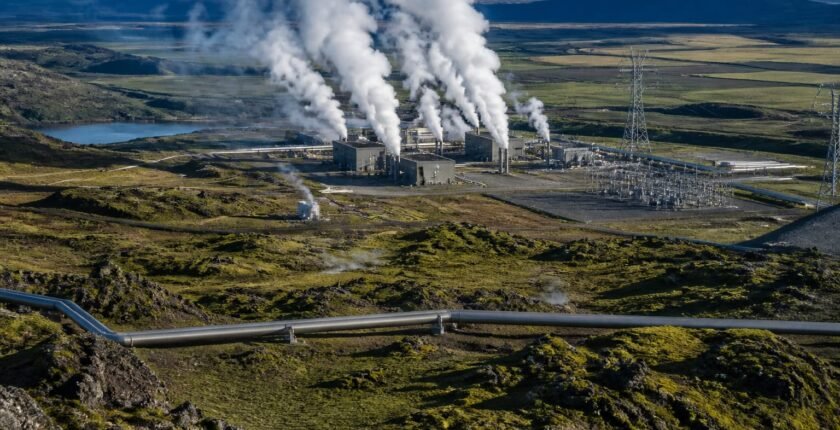
The Imperial Irrigation District (IID) has signed 10-year deals with BHE Renewables, via its CalEnergy unit, to deliver 86 megawatts of around-the-clock geothermal power to IID customers. Of that total, 44 megawatts will be supplied by the Salton Sea 4 project and 42 megawatts will come from the Leathers project, with deliveries due to start on 1 January 2027. IID says the additions will boost reliability across the Imperial and Coachella Valleys, support compliance with California’s renewable portfolio standards and cut reliance on spot purchases. The agreements also include renewable energy credits and sit alongside capacity from the Yuma Cogeneration natural gas facility.
These agreements are about making sure IID continues to provide reliable public power while planning responsibly for the future,
Jamie Asbury, IID General Manager
Key takeaways
- Capacity added: IID secured 86 MW of geothermal power: 44 MW from Salton Sea 4 and 42 MW from Leathers.
- Start date: Deliveries under the geothermal agreements begin on 1 January 2027.
- Contract length: The geothermal deals run for ten years and include associated renewable energy credits.
- Thermal backup: IID’s resource plan also retains capacity from the Yuma Cogeneration natural gas combined‑cycle facility to support peak demand.
Table of contents
Why IID chose local geothermal to shore up reliability
IID has added firm geothermal capacity to its portfolio to provide continuous, dispatchable energy when demand is highest. Geothermal supplies do not follow daylight or wind patterns, which makes them a natural complement to solar and wind resources across IID’s service area.
The district selected two nearby projects—Salton Sea 4 and Leathers—so the 86 MW of supply sits close to load centers in the Imperial and Coachella Valleys. Locally sited generation reduces transmission exposure and helps IID limit expensive spot‑market purchases during extreme heat.
Terms and timing that matter
Both geothermal agreements are ten‑year contracts and include the renewable energy credits associated with the output. Deliveries are contractually due to begin on 1 January 2027, giving IID time to integrate the volumes ahead of the 2027 summer season.
IID has paired these renewable contracts with capacity from the Yuma Cogeneration natural gas facility. The Yuma unit is described in IID materials as an established combined‑cycle resource that is not renewable but supports capacity margins and peak needs when geothermal and other resources need supplementation.
Local economic and planning implications
IID and BHE Renewables say the deals will support continued operations and the workforce at the facilities in the Imperial Valley. The district ties the agreements to its 2024 Integrated Resource Plan, which calls for expanded geothermal generation and additional capacity resources over time.
Because the contracts have a defined ten‑year span, IID will need to revisit resource choices before the terms expire. That finite duration locks in near‑term reliability benefits but also sets a horizon for later procurement decisions.
| Resource | Capacity (MW) | Type | Start date | Term |
|---|---|---|---|---|
| Salton Sea 4 | 44 | Geothermal | 1 January 2027 | 10 years |
| Leathers | 42 | Geothermal | 1 January 2027 | 10 years |
| Yuma Cogeneration | Not stated | Natural gas combined‑cycle | Existing | Not stated |
How this can play out
The case for
- The 86 MW of firm geothermal capacity should reduce IID’s exposure to spot purchases during peak summer loads and help meet California RPS obligations.
- Local siting and inclusion of renewable energy credits strengthen near‑term reliability and compliance while supporting the Imperial Valley workforce.
The case against
- The geothermal contracts run for ten years, so IID will face replacement or renewal decisions around contract expiry.
- Because the Yuma Cogeneration facility is a natural gas resource, IID retains fossil‑fuel capacity that could affect emissions outcomes and future procurement choices.
What to be careful about
- Delay or failure to commence deliveries on 1 January 2027 would expose IID to higher market purchases during summer peaks.
- Concentrating the new geothermal volume in two projects ties reliability to the operational performance of Salton Sea 4 and Leathers.
- The ten‑year term creates a medium‑term procurement cliff unless IID secures follow‑up contracts or builds additional capacity.
The bottom line
IID’s 86 MW of local geothermal capacity, split between Salton Sea 4 and Leathers and backed by ten‑year contracts, is positioned to bolster reliability and help meet state renewable requirements beginning 1 January 2027. The inclusion of renewable energy credits and local siting are immediate positives for compliance and system planning, while retention of Yuma Cogeneration underscores that IID still relies on gas for peak capacity. The ten‑year horizon secures near‑term benefits but sets a clear timetable for future procurement or replacement decisions as the district advances its 2024 Integrated Resource Plan.
What to watch
- Watch for the start of deliveries on 1 January 2027, when the contracted geothermal volumes are due to begin flowing to IID.
- Watch for IID’s next procurement or resource‑planning update; no date has been set for a follow‑up to the 2024 Integrated Resource Plan.
- Watch for operational reports from Salton Sea 4 and Leathers during summer 2027 to confirm actual output versus contracted volumes.
Frequently asked questions
How much geothermal capacity did IID secure and from which projects?
IID secured 86 MW of geothermal capacity in total: 44 MW from the Salton Sea 4 project and 42 MW from the Leathers project.
When do the geothermal deliveries start and how long do the contracts run?
Deliveries are due to begin on 1 January 2027 and the agreements run for ten years, which implies the contracts would conclude around 1 January 2037.
Is the Yuma Cogeneration facility a renewable resource?
No. The Yuma Cogeneration facility is an established natural gas combined‑cycle resource and is included by IID to support peak demand and capacity margins.
Related reading