
Blog
European Energy Plans 48,000t E-Methanol Plant in Quebec
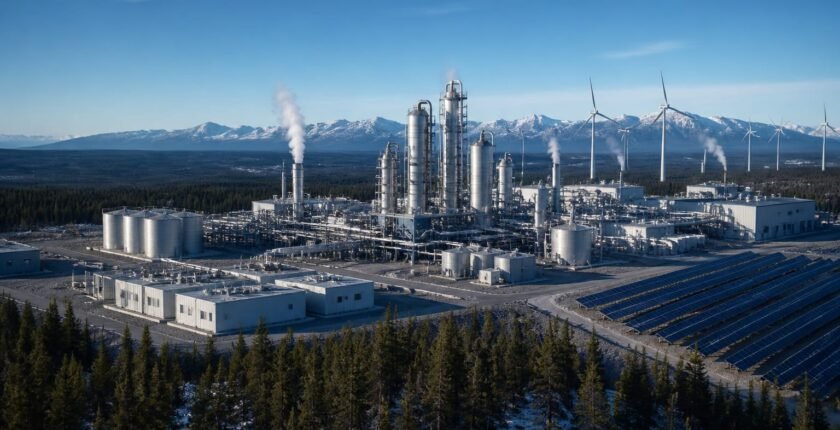
Estimated reading time: 5 minutes · Last updated:
Denmark's European Energy and Greenfield Global, a Canadian maker of solvents and biofuels, plan to build an e-methanol plant in Quebec able to produce 48,000 tonnes a year. The partners have set up a joint venture for the project. It would draw electricity from the province's hydroelectric grid and take biogenic carbon dioxide from an ethanol distillery Greenfield runs on the same site. Both companies say early engineering work is finished and that talks with buyers begin "immediately". No construction schedule has been published, and no technology suppliers have been named. The plant is being designed to qualify under Europe's rules for renewable fuels of non-biological origin, a sign that its output is meant to count in European markets.
Key takeaways
- The project: European Energy and Greenfield Global have formed a joint venture to build a 48,000 tonne per year e-methanol plant in Quebec.
- The inputs: The Quebec plant would run on hydroelectric grid power and use biogenic carbon dioxide from Greenfield's co-located ethanol distillery.
- The precedent: European Energy already built the 150MW Kassø plant in Denmark, rated at 42,000 tonnes a year, inaugurated in 2025 and now supplying OMW.
- The gaps: Neither partner has disclosed a construction timeline or technology suppliers, and offtake talks are only now starting.
Table of contents
Why Quebec Supplies Both Inputs the Plant Needs
E-methanol is methanol made from hydrogen produced with electricity, combined with carbon dioxide. Its climate value depends almost entirely on where those two inputs come from, and the Quebec site answers both questions at once.
Power would come through a connection to the province's hydroelectric grid. Carbon dioxide would come from Greenfield Global's ethanol distillery, which sits on the same site. Because that carbon originates in plant material fermented into ethanol, it is classed as biogenic rather than fossil.
That pairing is what lets the partners say the plant is designed to comply with Europe's rules for renewable fuels of non-biological origin. A plant in Canada built to a European standard tells you where the partners expect the demand to be. Co-location also removes the need to pipe or ship carbon dioxide in from elsewhere, though it ties the plant's carbon supply to the distillery staying in operation.
What Kassø Shows About European Energy's Track Record
European Energy is not starting from scratch. In Denmark the company built the Kassø e-methanol plant, a 150MW facility with capacity of 42,000 tonnes a year, which was inaugurated in 2025.
Kassø has since moved from commissioning to commercial use. It now supplies e-methanol to the Austrian oil and gas group OMW, which blends it into biodiesel sold in Germany. That gives European Energy a working reference plant and at least one paying customer, which matters when it asks buyers to commit to a project that does not yet exist.
On paper the Quebec plant would be larger, at about 6,000 tonnes a year more than Kassø, or roughly 14 percent. The partners have not said how much electrolyser capacity the Canadian plant will need, so a megawatt comparison with Kassø's 150MW is not yet possible.
What Still Has to Happen Before Construction Starts
The announcement is an early-stage one. The joint venture has finished preliminary engineering, but the two decisions that usually determine whether a fuel plant gets built are still open: who buys the output, and who supplies the equipment.
Offtake talks, the negotiations that lock in long-term buyers, were only due to start with the announcement. No supplier of electrolysers or methanol synthesis technology has been disclosed, and there is no date for construction to begin or for first production.
Demand for the product is building in Europe. E-methanol is seen as a possible drop-in fuel for existing ship engines and as a lower-carbon feedstock for chemical makers. The EU is funding a growing list of projects through Horizon Europe, the Innovation Fund and the European Investment Bank. Whether that European support translates into buyers for a Canadian plant is the question offtake talks will answer.
| Plant | Location | Capacity (tonnes a year) | Electrolyser size | Status |
|---|---|---|---|---|
| Kassø | Denmark | 42,000 | 150MW | Inaugurated 2025, supplying OMW |
| Quebec joint venture | Quebec, Canada | 48,000 | Not disclosed | Early engineering complete, no timeline |
What could help or hold back the Quebec plant
The case for
- Kassø gives European Energy an operating plant and a customer in OMW to point to in offtake talks.
- Hydroelectric grid power and on-site biogenic carbon dioxide address both inputs required under Europe's renewable fuel rules.
- EU funding through Horizon Europe, the Innovation Fund and the European Investment Bank is widening the European pipeline of e-methanol demand.
The case against
- No buyers have been signed; offtake talks were only beginning at announcement.
- No construction timeline or technology suppliers have been disclosed.
- Carbon dioxide supply depends on Greenfield's ethanol distillery continuing to run alongside the plant.
What to be careful about
- The project could stall if offtake talks fail to secure long-term buyers, since none has been announced.
- Carbon supply is tied to a single co-located distillery, so any change to its operation affects the plant directly.
- Designing for European rules leaves the plant exposed if those rules or European demand shift before construction.
The bottom line
The Quebec project repeats a formula European Energy has already tested at Kassø, this time with cheaper-looking inputs: hydroelectric grid power and carbon dioxide from a distillery next door. What it lacks so far is everything that turns a design into a plant. There are no named buyers, no equipment suppliers and no dates. Kassø's path, from inauguration in 2025 to supplying OMW for German biodiesel, shows European Energy can get a plant to market. The Canadian venture will need to show European buyers will sign for fuel made across the Atlantic, and the first offtake agreement is the clearest signal of whether that is happening.
What to watch
- Watch for the first offtake agreement from the joint venture, since buyer talks were due to start immediately; no date has been set.
- Watch for European Energy and Greenfield Global to name technology suppliers and a construction timeline for the Quebec plant; no date has been set.
Frequently asked questions
Who is building the e-methanol plant in Quebec?
A joint venture of Denmark's European Energy and Greenfield Global, a Canadian solvent and biofuels producer. Greenfield contributes the site, where its ethanol distillery will supply biogenic carbon dioxide.
How big is the Quebec plant compared with Kassø?
The Quebec plant is planned at 48,000 tonnes a year, against 42,000 tonnes a year at Kassø in Denmark. That is about 6,000 tonnes, or roughly 14 percent, more.
When will the Quebec e-methanol plant be built?
No construction timeline has been disclosed. The partners say early engineering studies are complete and offtake talks are starting, but no technology suppliers or start dates have been named.
Related reading