
Blog
Fervo geothermal could deliver 400 MW from 15,000 ft
Estimated reading time: 5 minutes · Last updated:
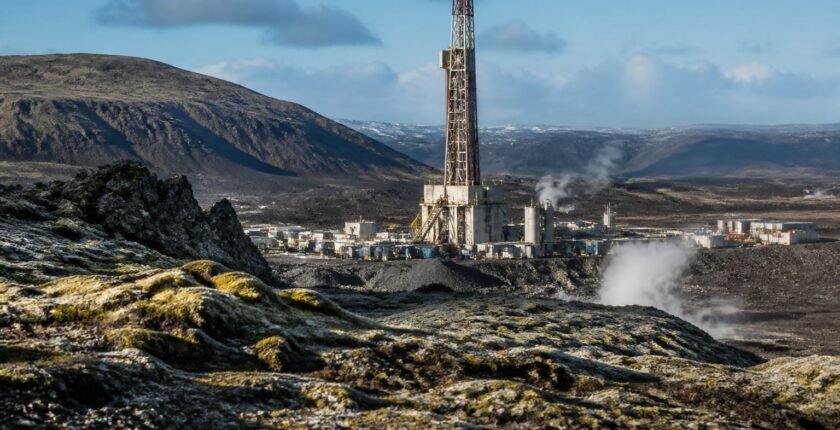
Fervo Energy is deploying enhanced geothermal systems at its Cape Station project in Utah, drilling wells as deep as 15,765 feet into rock expected to reach about 520°F, with the aim of generating dispatchable electricity. The company and Gates Notes say Cape Station is projected to deliver up to 400 MW and could expand toward 4.3 gigawatts; initial production figures cited include 70 megawatts in 2026 and additional capacity targeted for 2028. Bill Gates’ Breakthrough Energy Catalyst provided $100 million in project-level financing and Google has signed to buy 396 MW, with deliveries expected from 2028.
It’s a truly innovative approach, and I am glad that it is being deployed here in the United States,
Bill Gates
Key takeaways
- Fervo Energy's Cape Station is projected to deliver up to 400 MW and the company says the broader development could reach 4.3 gigawatts.
- Google agreed to buy 396 MW from Cape Station, with an option to increase purchases by roughly another 600 MW and deliveries expected starting in 2028.
- In 2025 Breakthrough Energy Catalyst committed $100 million in project-level financing to Fervo, contributing to a $206 million financing package.
- Fervo drilled a well to 15,765 feet with bottom temperatures expected at about 520°F; the company cites initial production figures of 70 MW in 2026 and describes a first phase at about 100 MW.
Table of contents
How enhanced geothermal systems at Cape Station work
Fervo is using a form of engineered geothermal that does not rely on naturally occurring reservoirs. The firm drills deep boreholes into hot bedrock, creates fractures and circulates water so it absorbs heat before returning to the surface; the heated fluid then drives turbines. The technique adapts casing and deep, directional drilling methods from oil and gas to encourage heat flow where natural permeability is low.
The project has already demonstrated the approach at a Nevada pilot that began operating in 2023, and at Cape Station one well reached 15,765 feet—nearly three miles—where temperatures are expected at about 520°F. Those depths target extremely hot basement rock so a small volume of rock can deliver high thermal energy per well. That physics is why Fervo emphasises drilling speed and fracture engineering as the core technical tasks.
Who is funding and buying the power, and why it matters
Fervo has lined up both private finance and corporate offtake to underwrite Cape Station's first phases. Bill Gates’ Breakthrough Energy Catalyst provided $100 million of project-level financing as part of a $206 million package announced in 2025, and Google signed a purchase agreement for the project. Google agreed to buy 396 MW from Cape Station, with an option to add roughly another 600 MW, a sales anchor that shortens the commercial risk the developer faces.
Dispatchable, round‑the‑clock output is the commercial pitch: unlike wind or solar, geothermal can run continuously, which is why cloud or intermittent-asset buyers prize it. Fervo has disclosed initial production estimates that vary—70 megawatts cited for 2026 and a roughly 100 MW first phase described by the company—so the early revenue profile will depend on which wells are commissioned first and how fast they reach steady output.
Scaling to gigawatts: timetable, limits and remaining risks
Fervo presents Cape Station as the first step in a much larger plan: the company has said the site could expand toward 4.3 gigawatts. Scaling to that scale requires repeating deep drilling, replicating reservoir stimulation across many well pairs, and securing multiple long-term contracts. The company reports that most wells for the initial phase have already been drilled, but the public schedule mixes figures—70 MW cited for 2026, a first phase of about 100 MW, and fuller builds targeted for 2028—so timing and phase definitions remain points to reconcile.
Operational risks are concrete: drilling to 15,765 feet raises technical and cost risks that differ from shallow geothermal, and engineered reservoirs carry uncertainty about sustained thermal connectivity and long-term decline rates. Permitting, local approvals and grid interconnection for tens or hundreds of megawatts also shape whether the project can move from demonstration to the multi‑hundred‑megawatt or gigawatt scale Fervo cites.
| Item | Figure | Source |
|---|---|---|
| Deepest well at Cape Station | 15,765 ft | Fervo Energy (company statements) |
| Bottom temperature reported | about 520°F | Fervo Energy (company statements) |
| Google offtake | 396 MW (option ≈600 MW) | Company announcements |
| Breakthrough Energy finance | $100 million (part of $206 million) | Breakthrough Energy / company statements |
| Broader development target | 4.3 gigawatts | Fervo Energy (company statements) |
Case for and against rapid scale-up
The case for
- Enhanced geothermal offers firm, round‑the‑clock electricity that complements variable wind and solar and can reduce system balancing costs.
- A 396 MW offtake from Google and $100 million in project finance lower early commercial revenue risk and help attract further capital.
The case against
- Deep drilling to 15,765 feet and engineered reservoir creation add technical and cost risk that could slow deployment or increase per‑MW prices.
- Conflicting early figures (70 MW cited for 2026, a 100 MW first phase, and broader 2028 targets) indicate the schedule and deliverables are not yet locked, which raises near‑term execution risk.
What to be careful about
- Technical failure or slower-than-expected well productivity from reservoirs stimulated at ~15,765 ft
- Cost overruns from deep, directional drilling and complex reservoir stimulation
- Permitting, grid interconnection or local opposition that delays commissioning for the 2028 delivery window
- Dependence on large corporate offtakes—if the Google option is not exercised, revenue and financing plans will change
The bottom line
Fervo's Cape Station packages established drilling practice with engineered-reservoir methods and has secured both finance and a major corporate offtake, which materially reduces early commercial risk. That combination—$100 million of Breakthrough Energy finance and a 396 MW Google purchase—makes Cape Station one of the better‑backed demonstrations of deep, engineered geothermal. Yet the project faces measurable technical and schedule risks: very deep drilling, uncertainty over sustained well productivity and mixed early output figures. The sector will need transparent, site-level production data and clear milestone reporting through 2028 to validate the claim that deep EGS can scale toward gigawatts.
What to watch
- Watch for the start of electricity deliveries from Cape Station in 2028, when Google expects power to begin flowing.
- Watch for Fervo to commission first-phase wells and report reliable, sustained output figures in 2028; no public date beyond the 2028 target has been set for full-scale commissioning.
- Watch for Google's decision on its purchase option to increase offtake by roughly 600 MW; no date has been set for that option decision.
Frequently asked questions
What is enhanced geothermal and how deep is Fervo drilling at Cape Station?
Enhanced geothermal systems use engineered fractures and circulated fluid to extract heat from hot rock rather than relying on natural reservoirs; Fervo has drilled a well to 15,765 feet at Cape Station where temperatures are expected at about 520°F.
When will Cape Station begin delivering power and how much is contracted?
Deliveries are expected to start in 2028 and Google agreed to buy 396 MW from Cape Station, with an option to add roughly another 600 MW.
How large could the project become and what early output figures are cited?
Fervo has said Cape Station could ultimately reach 4.3 gigawatts; public statements cite initial production figures including 70 MW for 2026 and a first phase described as about 100 MW.
Related reading