
Blog
Geothermal HVAC Should Be in Capital Planning
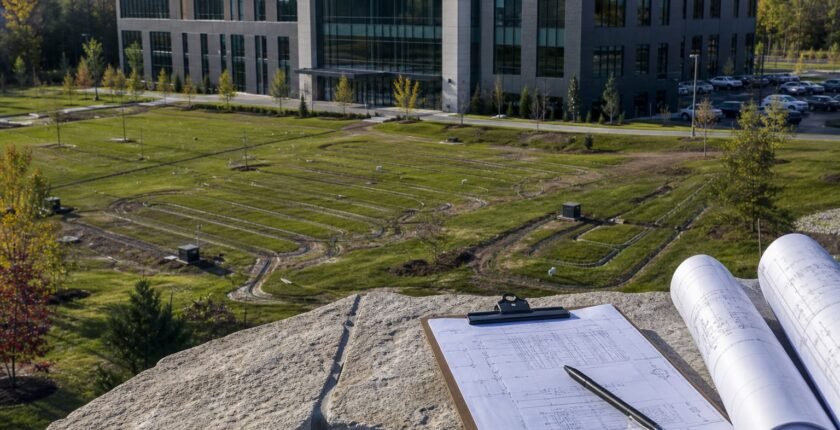
Estimated reading time: 4 minutes · Last updated: 2026-08-21
Facility managers replacing major HVAC systems should evaluate geothermal HVAC alongside conventional options by starting with feasibility and lifecycle-cost analysis rather than with a single system choice. Feasibility work tests building loads, ground conditions, site constraints and incentive opportunities; those factors determine whether drilling and loop field design make sense for a particular campus. For assets expected to operate 40 to 50 years, lifecycle comparisons matter more than first-cost differences. This guidance, as first reported by FacilitiesNet, draws on interviews and district examples that show when geothermal is practical and when conventional systems remain preferable.
If you’re going to own that building for 40 or 50 years, you owe it to yourself to understand all the options before you move forward.
Barnes
Key takeaways
- District case studies: Waunakee and North Shore school districts both evaluated geothermal through lifecycle-cost and site feasibility studies before selecting or exploring the technology.
- Feasibility first: Barnes says feasibility studies must evaluate building loads, ground conditions, available land and incentive opportunities before deciding on geothermal.
- Asset life matters: Facilities expected to operate for 40 to 50 years gain value from assessing utility savings, maintenance needs and equipment longevity when comparing HVAC options.
- Plan finance early: Doug Kolker advises bringing finance and engineering team members in early because incentive deadlines align with fiscal or calendar year ends.
Table of contents
- Key takeaways
- Feasibility studies change the decision from 'if' to 'how'
- Timing and site planning make or break a project
- Money, incentives and team alignment
- Technology choices: conventional, iterative or new
- How geothermal’s case could strengthen or stall
- What to be careful about
- Frequently asked questions
Feasibility studies change the decision from 'if' to 'how'
Geothermal is not a prescriptive choice; it is the outcome of technical and financial analysis. A proper feasibility study starts by quantifying building heating and cooling loads, then layers in ground thermal properties, available land for a loop field and the potential for demand reductions through efficiency measures. That sequence can shrink the required loop field or eliminate geothermal if envelope upgrades deliver a lower-cost outcome.
Both district examples underline the point: when a school system expects a campus to operate for decades, the study shifts the comparison away from sticker price and toward lifecycle net present cost. Long framed the technical checklist facilities teams should use, arguing that objective data — not assumptions — must guide the sizing and placement of bore fields and equipment.
Timing and site planning make or break a project
Geothermal affects site layout, building orientation and mechanical-room design, so it is difficult to add late in design. Early decisions change where pavement, utilities and landscaping sit, and they determine whether shallow horizontal loops or deeper vertical bores are viable. That is why practitioners advise starting the geothermal conversation during schematic design rather than at construction documents.
The Waunakee example shows how selecting geothermal early simplified integration with new mechanical systems; North Shore’s exploratory work shows the opposite: late-stage interest can force compromises or higher-infill costs. In short, timing affects capital allocation, permitting and the range of contractor bids that districts will receive.
Money, incentives and team alignment
Comparing lifecycle costs requires finance and engineering to work from the same dataset. Doug Kolker told interviewers that tax and grant deadlines tied to fiscal or calendar year ends mean early financial planning can materially increase available incentives. Bringing in incentives counsel, an energy engineer and a construction manager before final design reduces the chance that rebate windows or financing opportunities are missed.
A lifecycle analysis should list first cost, expected utility savings, scheduled maintenance and equipment longevity so decision-makers can see payback and total cost of ownership. For school districts with long asset lives, this often shifts the lens from 5–10-year operating cycles to the 40–50-year horizon many educational facilities actually face.
Technology choices: conventional, iterative or new
Conventional closed-loop geothermal has proven reliable in projects like Waunakee; it remains the default when land and ground conditions are favourable and drilling costs are competitive. Newer options such as Dynamic Closed Loop geothermal seek to reduce land requirements and make geothermal feasible where space is limited, but they still require rigorous site testing before a procurement decision.
Facility managers should track innovation while keeping performance metrics central: coefficient of performance, expected maintenance intervals and interactions with building automation systems. Specifying clear performance targets in the construction documents ensures bidders propose systems that meet operational and budgetary goals.
| District | Approach | Decision/Status |
|---|---|---|
| Waunakee Community School District | Completed lifecycle and site feasibility; integrated geothermal into design | Selected geothermal; long-term performance cited |
| North Shore School District 112 | Conducting feasibility and exploring new technologies | Exploring Dynamic Closed Loop; decision pending |
How geothermal’s case could strengthen or stall
The case for
- Stronger financial incentives and clearer lifecycle comparisons will increase the number of districts that shortlist geothermal for major replacements.
- Advances such as Dynamic Closed Loop geothermal could open projects with limited land to the same lifecycle advantages as conventional loop fields.
The case against
- If incentive windows close or drilling costs rise, some districts will default to conventional systems on first-cost grounds.
- Late-stage decision-making will continue to raise integration costs and reduce the number of viable geothermal projects.
What to be careful about
- Missed incentive deadlines: finance and incentives work must start early or rebate opportunities may be lost.
- Site constraints: unexpected ground conditions or inadequate land can push projects over budget or force system redesign.
- Procurement mismatch: unclear performance specs can lead to bids that underdeliver on efficiency or maintenance expectations.
The bottom line
Geothermal HVAC belongs in capital planning when feasibility studies show it meets lifecycle and site constraints. The practical checklist is straightforward: test loads and ground conditions, model lifecycle costs for a 40–50-year asset, and align finance with construction schedules so incentives are captured. Where land and geology permit, conventional geothermal offers proven performance; where they do not, emerging options may make geothermal viable. Facility managers who move the conversation upstream — making feasibility and finance partners part of early design — will be best placed to decide whether geothermal fits their next major HVAC replacement.
What to watch
- Watch for North Shore School District 112 to publish its geothermal feasibility findings; no date has been set.
- Watch for regional education capital plans to list geothermal as a shortlisted HVAC option; no date has been set.
Frequently asked questions
When should a facilities team start the geothermal conversation?
Start during schematic design so site planning and mechanical-room layout can accommodate loop fields; both Waunakee and the districts cited in the coverage show that early engagement avoids costly redesign.
How does lifecycle analysis change the HVAC choice?
Lifecycle analysis compares first cost, expected utility savings and maintenance over the asset life; for facilities with 40 to 50 year horizons, that framing can favour geothermal despite higher upfront cost, as Doug Kolker and others in the coverage note.
What role do new technologies play in making geothermal practical?
New approaches such as Dynamic Closed Loop geothermal can reduce land needs and allow sites with limited space to achieve similar lifecycle outcomes to conventional systems, but they still require rigorous feasibility testing.
Related reading