
Blog
EU Joins Global Geothermal Pledge at COP31 in Antalya
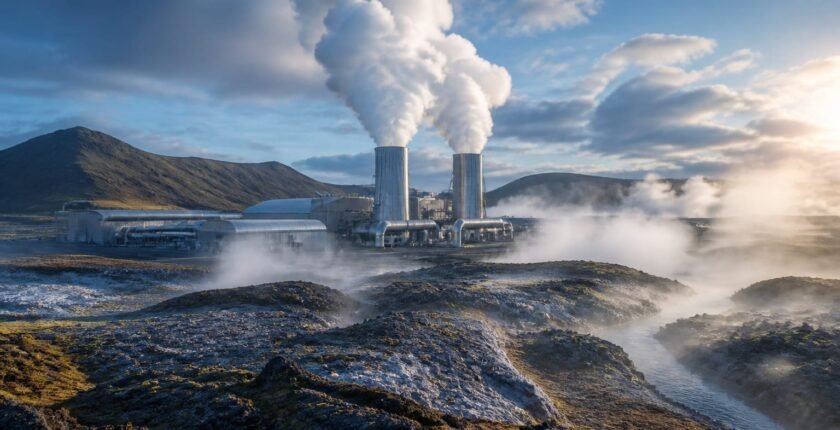
Estimated reading time: 4 minutes · Last updated:
The European Union has signed the Global Geothermal Pledge, formally titled the Global Geothermal Ambition 2050, at the COP31 climate talks in Antalya, Türkiye. The Turkish COP31 Presidency launched the pledge with the International Renewable Energy Agency (IRENA). Signatories share one goal: by 2050, geothermal supply for electricity and heat should reach 12 times its 2025 level. The European Commission's Directorate-General for Energy announced the EU's decision on 10 November 2026. The target rests on IRENA modelling in which primary geothermal supply grows from roughly 2.5 EJ to about 31 EJ. The Commission's announcement gives no EU-specific share of that growth.
Geothermal energy has a key role to play in strengthening Europe's energy security, competitiveness and resilience.
Dan Jørgensen, EU Commissioner for Energy and Housing
Key takeaways
- The commitment: The EU signed the Global Geothermal Ambition 2050 at COP31 in Antalya, Türkiye, a pledge launched by the Turkish COP31 Presidency with IRENA.
- The target: Signatories aim for global geothermal supply for heat and power to reach 12 times its 2025 level by 2050.
- The capacity path: IRENA analysis cited in the pledge has geothermal power capacity rising from 15.6 GW in 2025 to 193 GW by 2050.
- The EU rationale: Energy Commissioner Dan Jørgensen tied geothermal to energy security, affordability and strategic autonomy rather than emissions alone.
Table of contents
What IRENA's Numbers Imply for Geothermal Growth
The pledge text recognises IRENA analysis that frames the ambition in two measures. Primary geothermal energy supply, counting heat and power together, would climb from around 2.5 exajoules (EJ) today to around 31 EJ by 2050.
Power capacity alone would expand from 15.6 GW in 2025 to 193 GW. Both paths work out at about 12.4 times the starting point, in line with the headline multiple of 12. In practical terms, the world would need to add roughly 177 GW of new geothermal capacity in about 25 years.
What Signatories Commit to Beyond the Target
Signing means more than endorsing a number. Participating governments confirm they will reinforce their policy frameworks and open investment routes that push geothermal deployment forward.
The pledge also names wider areas of work: research and development, sturdier supply chains, technical assistance and cooperation between countries. All of it is meant to proceed with respect for environmental and social responsibility. The Commission's announcement lists these themes but attaches no funding figures, deadlines or national targets to them.
Why Brussels Frames Geothermal as an Energy Security Asset
Dan Jørgensen, EU Commissioner for Energy and Housing, cast the decision in terms of security and autonomy. He described geothermal as a dependable source of heating and cooling and of round-the-clock baseload electricity, unaffected by weather or swings in global energy prices. Baseload power is electricity supplied continuously, not only when wind or sun allow.
Jørgensen said the technology could cut emissions, keep energy affordable for households and businesses, and strengthen Europe's strategic autonomy. He called it "a cornerstone of a more resilient, sustainable and diversified energy system".
| Measure | Starting point | 2050 level | Approximate multiple |
|---|---|---|---|
| Primary supply, heat and power | About 2.5 EJ (today) | About 31 EJ | About 12.4x |
| Power capacity | 15.6 GW (2025) | 193 GW | About 12.4x |
| Pledge headline target | 2025 supply level | 12 times 2025 | 12x |
Can the 2050 geothermal target be met?
The case for
- The EU's signature puts a major economy behind a target set jointly by the COP31 Presidency and IRENA.
- Signatories commit to stronger policy frameworks and investment conditions, the levers that govern project pipelines.
- The pledge explicitly covers supply chains, research and technical assistance, not just deployment numbers.
The case against
- Reaching 193 GW from 15.6 GW means adding roughly 177 GW in about 25 years.
- The Commission's announcement names no funding, deadlines or EU-specific share of the target.
- The goal is collective, so no single signatory is accountable for a defined portion of it.
What to be careful about
- The pledge sets a shared global goal without, in the announced text, national allocations, which makes shortfalls hard to attribute.
- Scaling supply 12-fold depends on supply chains the pledge itself flags as needing strengthening.
- Environmental and social conditions attached to the pledge could slow individual projects if they are not met.
The bottom line
The EU's signature adds political weight to a target that is steep by any reading. Lifting global geothermal power from 15.6 GW to 193 GW demands drilling, financing and manufacturing on a scale the pledge encourages but does not pay for. What the commitment does settle is direction. The Commission has tied geothermal to its energy security agenda, and Jørgensen placed it alongside affordability and strategic autonomy. The real test is delivery. Signatories have promised stronger policy frameworks and better investment conditions, and the evidence will show up in national rules, permitting and finance over the years ahead, measured against IRENA's 2050 benchmarks.
What to watch
- Watch for which other governments sign the Global Geothermal Ambition 2050 before the COP31 talks in Antalya close; no closing date is given in the announcement.
- Watch for EU policy or funding measures that turn the pledge's promise of stronger frameworks and investment conditions into concrete rules; no date has been set.
- Watch for progress reports measured against IRENA's 193 GW power capacity benchmark for 2050; no reporting schedule has been announced.
Frequently asked questions
What is the Global Geothermal Ambition 2050?
It is a pledge launched at COP31 by the Turkish COP31 Presidency together with IRENA. Signatories aim to raise global geothermal supply for power and heat to 12 times 2025 levels by 2050.
How much geothermal power capacity does IRENA expect by 2050?
IRENA analysis recognised in the pledge puts global geothermal power capacity at 193 GW by 2050, up from 15.6 GW in 2025. Total primary supply for heat and power would rise from around 2.5 EJ to around 31 EJ.
Why did the EU join the geothermal pledge?
Energy Commissioner Dan Jørgensen said geothermal supports Europe's energy security, competitiveness and resilience. He pointed to steady heating, cooling and baseload electricity that do not depend on weather or global price swings.
Related reading