
Blog
Libby Dam Unit 6 Boosts Reliability and Conservation
Estimated reading time: 5 minutes · Last updated:
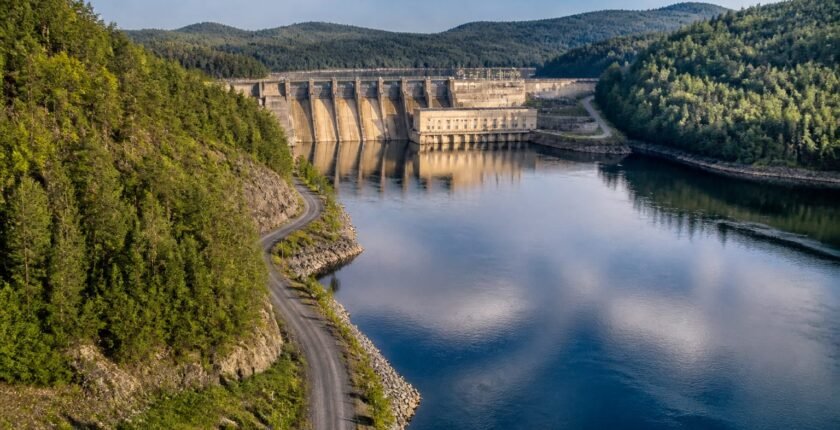
Libby Dam Unit 6 is a new hydropower generator being installed by the Seattle District of the U.S. Army Corps of Engineers to increase operational flexibility and strengthen electrical reliability. The $34.8 million Unit 6 installation project, awarded May 29, 2024, is designed to expand the powerhouse — whose original layout allowed for up to eight generators — and now targets April 2027 for completion. By allowing maintenance on one unit while retaining five-unit capacity for flood risk management and ecosystem flows, the new generator is intended to protect hydropower production and reservoir operations at the 422-foot Libby Dam on the Kootenai River. This description of the Unit 6 installation project was first reported by Army.mil.
Libby Dam is a multi-purpose water resource development, providing flood reduction, hydropower, recreation and environmental stewardship,
Seattle District Commander Col. Eli Adams
Key takeaways
- Project cost and schedule: The Unit 6 installation project was awarded May 29, 2024, at a cost of $34.8 million and targets April 2027 completion.
- Operational design: Libby Dam's powerhouse was engineered to hold up to eight generators; Unit 6 adds capacity and operational flexibility.
- Recent generation: In Fiscal Year 2025 the dam produced over 2.7 billion kilowatt-hours, equivalent to about 2,700,000 MWh, enough to power roughly 263,000 average U.S. homes for a year.
- Scale and setting: Libby Dam stands 422 feet tall and forms the 90-mile Lake Koocanusa reservoir, 42 miles of which lie in Canada.
Table of contents
- Key takeaways
- What the Unit 6 installation project is and why it was ordered
- How the sixth unit changes operations and maintenance
- Generation scale and regional contribution
- Environmental controls, public access and local impacts
- Where Unit 6 could matter most
- What to be careful about
- Frequently asked questions
What the Unit 6 installation project is and why it was ordered
The Unit 6 installation project at Libby Dam adds a new turbine-generator and modern associated equipment to a powerhouse that first produced commercial electricity on Aug. 29, 1975. USACE awarded the $34.8 million contract on May 29, 2024; the Seattle District says the work will bring contemporary engineering and efficiency to a facility that has operated for more than 50 years.
The powerhouse’s original design provided space for as many as eight generators, and Unit 6 restores that design capacity while adding modern control and electrical systems. The Seattle District describes the project as part of its Build Infrastructure, Not Paperwork initiative, which prioritizes tangible upgrades to civil works assets.
How the sixth unit changes operations and maintenance
Adding a sixth generator gives engineers the ability to take a single unit offline for extended maintenance without dropping below the five units USACE considers necessary to manage flood risk and ecological flow requirements. The Seattle District and Libby Dam staff say this operational flexibility reduces the risk that upgrades to older units will force trade-offs between flood control and hydropower production.
Project documentation notes that installing Unit 6 is timely because maintaining and repairing the existing units will require lengthy outages; the new unit therefore preserves continuous delivery of the dam’s mandates while older machinery is upgraded.
Generation scale and regional contribution
Libby Dam produced over 2.7 billion kilowatt-hours in Fiscal Year 2025 (October 1, 2024 – September 30, 2025), which the Seattle District reports as about 2,700,000 MWh — an amount of electricity roughly equal to what about 263,000 average U.S. homes would use in a year. That output underlines the dam’s role in supplying clean electricity across the Pacific Northwest and supporting regional grid reliability.
The facility stands 422 feet tall and impounds Lake Koocanusa, a 90-mile reservoir that extends 42 miles into Canada. Those dimensions matter for reservoir refill and downstream flow management, both core parts of the dam’s flood risk reduction and environmental stewardship missions.
Environmental controls, public access and local impacts
Alongside Unit 6, the Seattle District is upgrading Libby Dam’s selective withdrawal system so staff can draw water from specific reservoir elevations to better manage downstream temperatures for fish. The selective withdrawal upgrade is intended to improve downstream temperatures and habitat to benefit resident trout, assist threatened bull trout, and support recovery of the endangered Kootenai River white sturgeon.
Because the installation involves heavy equipment and moving parts, the powerhouse is closed to the public for now; the Seattle District of the U.S. Army Corps of Engineers expects to reopen public access after installation is complete. The Seattle District says the project aims to balance short-term construction disturbance with longer-term ecological benefits.
Where Unit 6 could matter most
The case for
- Having Unit 6 online supports uninterrupted flood risk management and ecological flows by allowing one generator to be maintained while five others remain available, per USACE statements.
- Modern equipment and controls in the new unit can raise overall electrical reliability and reduce the operational strain on the older turbines dating from the 1970s and 1980s.
The case against
- The April 2027 target completion leaves a window in which construction delays or supply-chain issues could extend the period when public access is restricted.
- Taking existing generators offline for upgrades still requires coordination; despite Unit 6, extensive maintenance periods create scheduling and operational complexity.
What to be careful about
- Construction keeps the powerhouse closed to the public while heavy equipment is in use, affecting recreation until work finishes.
- The project targets April 2027 completion, and schedule slippage would prolong operational constraints and maintenance overlap with older-unit outages.
- Upgrades to existing generators require extended offline periods that must be managed to avoid conflicts with flood control and ecological flow obligations.
The bottom line
The Unit 6 installation is a targeted, concrete upgrade to a 50-year-old facility intended to keep Libby Dam meeting its multiple duties: flood risk reduction, hydropower production and ecosystem stewardship. With a $34.8 million contract awarded in May 2024 and a planned April 2027 completion, the new unit is pitched as the operational cushion operators need while older generators undergo lengthy maintenance. Upgrades to the selective withdrawal system reinforce the environmental side of that trade-off. Taken together, the work aims to sustain the dam’s large-scale output — evidenced by the 2.7 billion kilowatt-hours generated in FY2025 — while preserving reservoir and downstream functions for decades to come.
What to watch
- Watch for the Unit 6 target completion in April 2027.
- Watch for USACE to announce when public access to the Libby Dam powerhouse will resume; no date has been set.
Frequently asked questions
Why is a sixth generator being installed at Libby Dam?
USACE says the sixth unit restores the powerhouse design that accommodates up to eight generators and adds operational flexibility; the installation was awarded May 29, 2024, for $34.8 million and targets April 2027 completion.
How much electricity does Libby Dam produce?
In Fiscal Year 2025 (Oct. 1, 2024 – Sept. 30, 2025) Libby Dam generated over 2.7 billion kilowatt-hours (about 2,700,000 MWh), which the Seattle District reports as enough to power roughly 263,000 average U.S. homes for a year.
What environmental benefits will the project deliver?
The Seattle District is updating the selective withdrawal system to give staff finer control over downstream water temperatures; the district says the work will help resident trout, aid threatened bull trout and provide better conditions for the endangered Kootenai River white sturgeon.
Related reading