
Blog
Aker Solutions wins Nes hydropower upgrade
Estimated reading time: 4 minutes · Last updated:
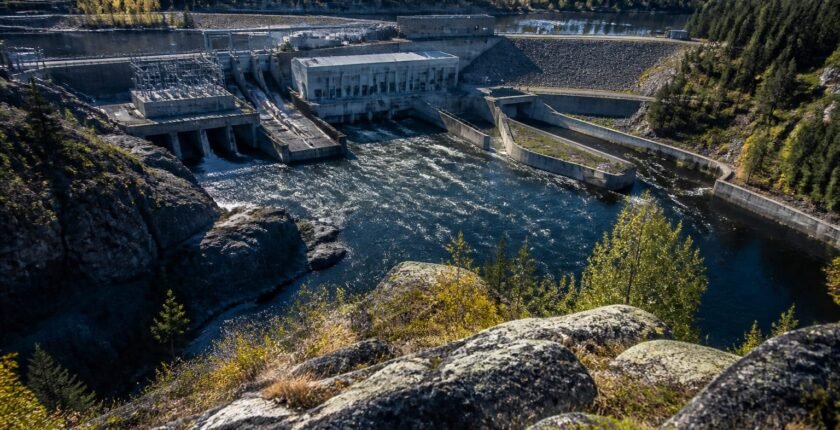
Aker Solutions has been awarded a contract by Hafslund Kraft to modernise the Nes power station in Buskerud, Norway. The Nes hydropower upgrade will lift the plant’s capacity from 332 MW by about 80 MW and increase annual generation by roughly 37 GWh, while extending operational life. Aker’s scope covers replacement and modernisation of non-embedded turbine components on the four 83 MW Francis units, upgrades to governor control systems and rehabilitation of the main inlet valves. The company will also deliver a digital twin to support data-driven optimisation. Work is already under way, with final delivery scheduled for 2032.
We are proud to partner with Hafslund Kraft on one of Norway's most ambitious hydropower modernisation projects. By upgrading proven assets, we can unlock additional renewable energy production, increase flexibility and help secure reliable power supply for decades to come,
Jo Kjetil Krabbe, Executive Vice President for the Power Solutions segment in Aker Solutions
Key takeaways
- Contract award: Aker Solutions has been awarded the modernisation contract by Hafslund Kraft for Nes power station.
- Current plant size: Nes power station's rated capacity is 332 MW, with an annual output of about 1.5 TWh.
- Expected gains: The modernisation is expected to raise the plant's capacity by roughly 80 MW and boost yearly generation by about 37 GWh.
- Scope of work: Aker will replace external turbine components on four Francis units rated at 83 MW each, upgrade the governors and rehabilitate the main inlet valves.
- Timeline and tech: The upgrade uses a digital twin, works have started and final delivery is scheduled for 2032; the headrace tunnel exceeds 30 km.
Table of contents
How Aker will raise output and extend the plant’s life
Aker Solutions’ technical package centres on mechanical and control interventions that free up margin within the existing civil layout. The company will replace and modernise the non-embedded turbine components on each of the plant’s four 83 MW Francis units; that work, together with rehabilitation of the main inlet valves, targets improved hydraulic efficiency and reliability without changing the concrete headworks.
The scope also includes governor control system upgrades to tighten turbine response and a digital twin of the plant to enable data-driven optimisation of operations. A Francis unit is a reaction turbine commonly used where medium head and flow conditions exist; modernising its mechanical and control elements is a standard route to extract additional megawatts from proven sites while keeping construction footprints small.
What the gains mean for Norway’s grid
Nes already supplies around 1.5 TWh a year from 332 MW of installed capacity, making it an important renewable generator in southern Norway. Adding roughly 80 MW of capacity and some 37 GWh of annual generation will increase the station’s contribution and gives system operators modest additional flexible output during peak demand or low renewables periods.
Because the upgrade reuses the existing headrace tunnel and other civil assets, the production uplift is obtained with limited new land use. That combination—measured capacity gain from turbine and control work plus a relatively small environmental footprint—is why operators often choose modernisation over new-build for mature hydropower sites.
Schedule, digital operations and project footprint
Work on the modernisation has already started and final delivery is scheduled for 2032. Aker will use a digital twin to support operations and optimisation; the company points to prior digital twin implementations at other Norwegian hydropower stations as the basis for this deployment.
The plan also preserves the existing more than 30 km long headrace tunnel, which is a key constraint and enabled the stated 80 MW increase without major new civil works. Keeping the tunnel and other fixed infrastructure reduces permitting complexity and environmental disturbance while concentrating effort on mechanical, control and data systems.
| Item | Value |
|---|---|
| Installed capacity (pre-upgrade) | 332 MW |
| Annual generation (pre-upgrade) | Approximately 1.5 TWh |
| Planned capacity increase | Approximately 80 MW |
| Planned annual production increase | Around 37 GWh |
| Units affected | Four 83 MW Francis units |
| Final delivery | Scheduled for 2032 |
Upside and downside for the upgrade
The case for
- Mechanical and control upgrades typically boost efficiency with low additional environmental impact, so the project could reliably add the stated 80 MW without major civil works.
- The digital twin capability can improve operational flexibility and maintenance planning, potentially raising availability and effective output over the plant’s extended lifetime.
The case against
- Complex retrofits on ageing equipment can uncover unforeseen wear or supply-chain delays that push schedules and increase costs, risking the 2032 delivery window.
- Efficiency gains depend on precise tuning of turbines and governors; if hydraulic or geological constraints in the existing headrace tunnel are tighter than expected, the realised capacity uplift could be smaller than projected.
What to be careful about
- Discovery of hidden deterioration in turbine casings or inlet valves during refurbishment, which could require scope increases.
- Delays in procurement or specialist component delivery that push commissioning past the 2032 target.
- Integration challenges between new governor controls and legacy plant systems that require extended commissioning.
The bottom line
The Nes upgrade is a focused example of extracting more renewable output from existing hydropower infrastructure. By combining mechanical refurbishments on four 83 MW Francis units, control-system modernisation and a plant digital twin, Aker Solutions aims to add about 80 MW and roughly 37 GWh a year to a 332 MW, 1.5 TWh station without major new civil works. That approach keeps environmental disturbance low and leans on operational digital tools to secure gains, but delivery and the full realisation of efficiency improvements will depend on refurbishment discoveries and successful integration of new controls before the 2032 handover.
What to watch
- Monitor the project’s final delivery and commissioning in 2032 for confirmation the upgrade meets the 80 MW and ~37 GWh targets.
- Watch for announcements of staged unit commissioning; no date has been set for phased handovers to operations.
Frequently asked questions
How much additional capacity will the Nes upgrade add?
The programme is expected to add approximately 80 MW to the station’s existing 332 MW of installed capacity.
What does Aker Solutions’ scope include?
Aker will replace and modernise non-embedded turbine components for the four 83 MW Francis units, upgrade governor control systems and rehabilitate the main inlet valves, and deliver a digital twin for optimisation.
When will the upgraded plant be completed?
Work has already started and final delivery is scheduled for 2032.
Related reading