
Blog
RVK to Build Green Hydrogen Plant in Mechernich
Estimated reading time: 6 minutes · Last updated: 2026-08-21
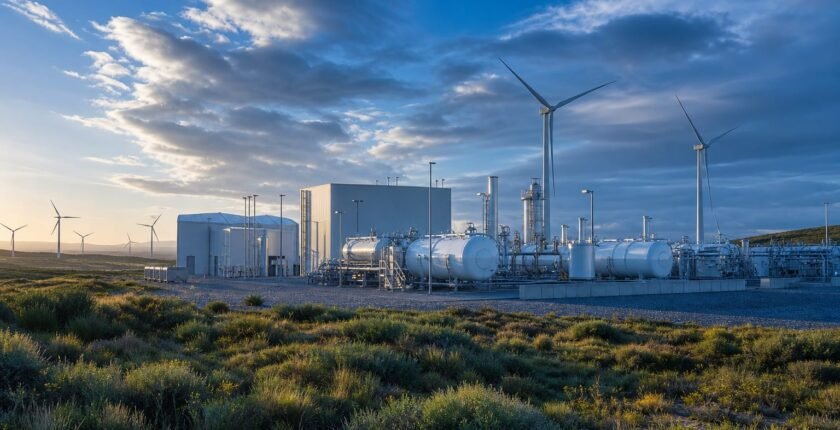
RVK has begun construction of a hydrogen filling station and electrolyzer at Mechernich that will produce 36 kilograms of hydrogen per hour to fuel its bus fleet and offer refuelling to cars and trucks. The facility will include two pumps for buses and an additional pump for cars and trucks, use electricity supplied exclusively from renewable sources and recover waste heat to warm the adjacent training campus. The Federal Ministry has approved funding of approximately 15.1 million euros for the filling station and electrolyzer, and the plant is scheduled to enter operation at the end of 2026, as first reported by Fuel Cells Works.
“By producing its own green hydrogen, RVK secures the supply for its hydrogen bus fleet. This makes us independent of market developments. Since the filling station is freely accessible, we are bringing this emission-free form of propulsion beyond our company boundaries into the region,”
RVK Managing Director Dr. Marcel Frank
Key takeaways
- Electrolyzer output: The Mechernich electrolyzer will produce 36 kilograms of hydrogen per hour.
- Public and fleet use: The filling station will have two pumps for buses and a third pump for cars and trucks and will serve RVK's hydrogen bus fleet and the public.
- Funding: The Federal Ministry has approved funding totaling approximately 15.1 million euros for the Mechernich facility.
- Timing and campus use: The plant is scheduled to start operation at the end of 2026 and will supply waste heat to the planned AWM training centre.
Table of contents
What RVK is building and how much it will make
RVK is installing an electrolyzer and a public hydrogen filling station on the site of the planned training and further education centre for climate-neutral and digital mobility (AWM) in Mechernich. The project pairs on-site hydrogen production with a small refuelling forecourt configured to supply RVK's buses while remaining open to outside vehicles.
The electrolyzer capacity is stated at 36 kilograms of hydrogen per hour. The forecourt layout includes two pumps dedicated to buses and a separate pump for cars and trucks, and the plant will route its process waste heat into the AWM buildings.
Electricity for the electrolyser will come solely from renewable sources, and the installation is being designed around daily bus timetables rather than large-scale industrial supply. That limited-throughput design shapes both the project's emissions impact and the technical choices for storage and dispensing equipment.
Money, schedule and the AWM campus link
The Federal Ministry has approved funding totaling approximately 15.1 million euros for the Mechernich filling station and electrolyzer. That funding is allocated to the station and electrolyser construction rather than to wider network infrastructure or supply contracts.
RVK says the Mechernich plant is scheduled to go into operation at the end of 2026. The AWM training and competence centre itself remains in the planning phase, with construction on that campus scheduled to begin in mid-2027; the plant's waste heat is planned to serve those buildings once they are built.
Because the AWM timetable and the station's installation overlap, coordination of commissioning, grid connections and campus hookups will be a near-term project-management task for RVK and its contractors, and it will determine whether the plant meets the end-2026 operational target.
Why RVK says producing its own hydrogen matters
RVK frames on-site production as a supply-security measure for its hydrogen bus fleet. RVK Managing Director Dr. Marcel Frank says producing hydrogen in-house ensures the fleet’s supply and frees the company from market developments that could affect price or availability.
Making the station publicly accessible is also part of the plan: RVK intends to extend the same low-emission refuelling option beyond its own fleet and into the surrounding region. At the same time, RVK is building another green hydrogen plant at the Grüner Mobilhof in Bergisch Gladbach, indicating a multi-site approach to meeting local demand.
For fleet operators the practical benefits are a shorter logistics chain and control over fill timing; for regional decarbonisation the impact depends on utilisation rates, how often buses and external vehicles use the pumps, and whether the combined output from both Mechernich and Bergisch Gladbach scales with local demand.
Capacity constraints, scaling and where the project could strain
At 36 kilograms per hour the Mechernich electrolyzer is small compared with industrial hubs but sized to refill local buses on a practical schedule. That hourly output translates to about 864 kilograms per day and roughly 315,360 kilograms per year if run continuously; those are derived estimates based on the stated hourly rate.
The modest throughput means the facility will meet fleet needs efficiently but has limited headroom for rapid public-demand growth. If public uptake is higher than anticipated, queueing at pumps or additional storage will be needed, and RVK's decision to build a second plant in Bergisch Gladbach suggests planners already expect to spread load across sites.
Timeline risk is concrete: the AWM remains in planning with construction due mid-2027, while the Mechernich plant is slated for end-2026 start-up. Any delay to grid connections, permitting or contractor schedules could shift that date and the point at which waste heat becomes available to the campus.
| Site | Electrolyzer output | Primary purpose | Funding / schedule |
|---|---|---|---|
| Mechernich | 36 kg per hour | RVK buses; public refuelling | ≈15.1 million euros; operation due end-2026 |
| Grüner Mobilhof, Bergisch Gladbach | Not specified | Additional green hydrogen production | Under construction (date not given) |
How the project could play out
The case for
- On-site production secures supply for RVK's hydrogen buses and reduces exposure to external market shortages, a benefit RVK has emphasised through Dr. Marcel Frank's statement.
- Waste-heat recovery to the planned AWM campus increases overall project efficiency and ties the electrolyser into local decarbonisation goals.
- Federal Ministry funding of approximately 15.1 million euros lowers project financing risk and supports the planned end-2026 start date.
The case against
- The electrolyser's modest capacity (36 kg/h) limits the station's ability to serve both fleet and rising public demand without additional storage or more frequent production cycles.
- The AWM campus is still in planning and scheduled to start construction mid-2027; any slippage could complicate waste-heat utilisation and the broader commissioning sequence.
- Key technical details — the electrolyser technology, storage sizing and the source arrangements for renewable electricity — are not specified, creating execution and integration risk.
What to be careful about
- Hourly capacity of 36 kg limits surplus for public refuelling if external demand exceeds forecasts.
- Scheduling risk from the AWM still being in the planning phase while the plant is due to start at the end of 2026.
- Unspecified electrolyser technology and storage sizing could lead to unforeseen operational constraints during peak use.
The bottom line
RVK's Mechernich project is a focused, small-scale approach to securing hydrogen for its bus fleet while offering a public refuelling option and linking production to a planned training campus. The key facts are the electrolyser's 36 kg/h capacity, roughly €15.1 million in Federal Ministry funding and a target start at the end of 2026. The venture reduces supply-chain exposure for RVK but is limited in surplus capacity; whether it accelerates regional uptake of hydrogen mobility will depend on utilisation, the timing of the AWM campus and the unspecified details of electricity sourcing and storage.
What to watch
- Watch for the Mechernich plant to enter operation at the end of 2026, which will test whether commissioning and grid connections meet the schedule.
- Watch for construction to begin on the AWM training and competence centre in mid-2027 and for plans to tie the electrolyser's waste heat into campus systems.
- Watch for progress on the Grüner Mobilhof facility in Bergisch Gladbach; the report gives no date for that site's completion.
Frequently asked questions
How much hydrogen will the Mechernich electrolyzer produce?
RVK states the electrolyzer will produce 36 kilograms of hydrogen per hour, which converts to about 864 kilograms per day or roughly 315 tonnes per year if run continuously (derived from the hourly figure).
Who is paying for the station and how large is the subsidy?
The Federal Ministry has approved funding totaling approximately 15.1 million euros for construction of the hydrogen filling station and the electrolyzer.
Will the filling station be open to the public?
Yes. RVK says the forecourt will primarily serve its hydrogen bus fleet but will also be freely accessible to the public, with two pumps for buses and an additional pump for cars and trucks.
Related reading