
Blog
Engie Chile brings 251 MW battery storage online
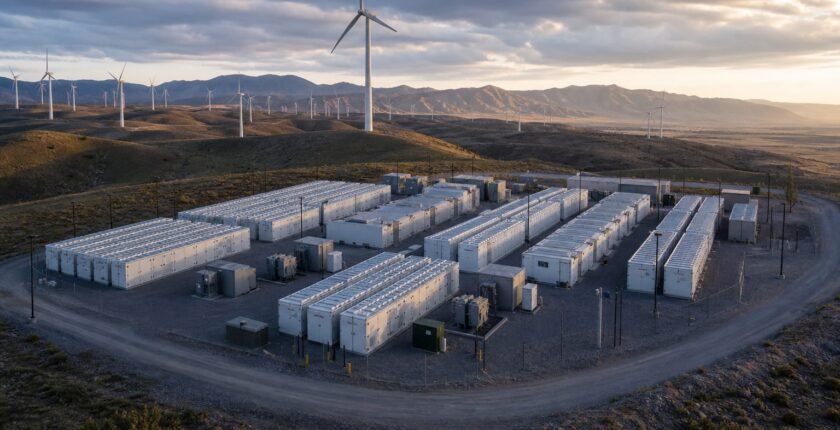
Estimated reading time: 5 minutes · Last updated:
Engie Chile has commissioned 251 MW of battery storage and put that capacity into operation on 31 August 2026. The move raises the country’s dispatchable capacity and supports higher shares of variable renewables: Chile’s renewables share reached 41.9% in July. The announcement does not include technical or commercial details such as energy duration (hours), site location or the technology vendor; those items remain to be confirmed. The primary, confirmed figure in the public notice is the 251 MW power rating named for the new batteries.
Key takeaways
- Capacity online: Engie Chile has brought 251 MW of battery storage into operation.
- Chile renewables share: Chile’s renewables share reached 41.9% in July.
- Regional outlook: WoodMac forecasts 34 GW of energy storage in Latin America by 2035.
Table of contents
- Key takeaways
- What Engie Chile announced and what the 251 MW number means
- Why 251 MW matters for Chile’s system now
- How this sits in the Latin American storage picture
- Operational and disclosure gaps the market will want filled
- Case for and against the announcement accelerating storage rollout
- What to be careful about
- Frequently asked questions
What Engie Chile announced and what the 251 MW number means
Engie Chile is named as the entity that has brought 251 MW of battery storage online. The figure in the announcement is a power rating: 251 MW describes the maximum instantaneous discharge or charge power capacity the batteries can provide at any moment. The public statement contains that single firm figure and does not specify the batteries' energy capacity in megawatt-hours, sometimes expressed as hours of duration, which determines how long 251 MW can be sustained.
Define: a battery’s power rating (megawatts) is its instantaneous output capability; energy capacity (megawatt‑hours) is the amount of energy it can deliver over time. Without an energy-capacity number or duration, the 251 MW figure shows scale but not how the asset will be used in daily dispatch or long‑duration services.
Why 251 MW matters for Chile’s system now
Chile’s system has seen rapid growth in variable renewables; the nearby data point is a renewables share of 41.9% in July, which raises the value of flexible, fast‑responding capacity. A 251 MW battery block can provide ramping support, frequency response and short-term reserve services that reduce curtailment of wind and solar and help smooth net load.
However, the operational value of a battery also depends on its energy duration, dispatch rules and commercial contracts. The announcement does not disclose whether the capacity will be paired with a specific grid contract, a tolling or merchant arrangement, or grid‑firming services for a particular region of Chile. Those commercial details determine how the battery earns revenue and how it will be scheduled against renewables output.
How this sits in the Latin American storage picture
Regional forecasters appear to be expecting substantial storage growth: WoodMac is cited with a projection of 34 GW of energy storage in Latin America by 2035. A single 251 MW installation is a measurable contribution to early deployment stages, particularly where networks need rapid response and capacity to back higher renewables shares.
Scaling from individual projects to a regional market requires equipment supply, financing and grid access. The public information for this Engie Chile project does not list equipment suppliers, the financing structure, or grid connection points; those items are typically disclosed later in permitting notices, company filings or procurement updates and will shape how quickly similar capacity can be replicated across LatAm.
Operational and disclosure gaps the market will want filled
The announcement gives the headline power rating but omits key technical and contractual items that determine performance and market impact. Missing details include the batteries’ energy capacity in megawatt‑hours, intended primary services (for example, frequency regulation versus energy shifting), the project’s site or grid node, the technology vendor, and whether a long‑term offtake or revenue‑stacking agreements exist.
Those gaps matter because two 251 MW batteries can behave very differently: one might be a short‑duration fast‑response system offering seconds-to-minutes services, another a multi‑hour installation used to shift solar into evening peaks. Market participants assessing system impact or developers sizing follow‑on projects will look for those technical and contractual disclosures before treating the 251 MW figure as a complete indicator of capability.
Case for and against the announcement accelerating storage rollout
The case for
- Additional flexible capacity can reduce curtailment and support increasing shares of variable renewables such as the 41.9% renewables share recorded in July.
- A visible corporate deployment by Engie Chile may attract suppliers and financiers, supporting the regional growth path that WoodMac projects at 34 GW by 2035.
The case against
- Absent disclosure of energy duration, site and commercial contracts, the operational impact of the 251 MW figure is uncertain and may be overstated by observers focusing on power rating alone.
- If the project is short‑duration and market revenues remain constrained, replication by other developers could be slower than headline capacities suggest.
What to be careful about
- The public notice does not specify the batteries’ energy capacity in megawatt‑hours or hours of duration, a key determinant of the installation’s services.
- No site location, grid interconnection node or commissioning certificate is disclosed, leaving grid‑integration and transmission constraints unknown.
- Commercial arrangements are not stated: it is unclear whether revenue will come from market merchant sales, a PPA, capacity contract or ancillary‑services agreements.
- Equipment vendor, warranty and expected operational lifetime are not provided; those technical-contractual elements affect performance risk and maintenance needs.
The bottom line
The Engie Chile disclosure that 251 MW of battery storage is now online is a clear capacity headline that signals growing investment in flexible assets as Chile’s renewables share passes 40 percent. The announcement’s utility for system planners and market participants is limited by the absence of energy‑capacity, site, technology and commercial‑contract details. Those specifics will determine whether the installation primarily supplies seconds‑to‑minutes grid services or multi‑hour energy shifting. Observers should therefore treat the 251 MW figure as a scale indicator while seeking follow‑up disclosures to judge operational and market impact.
What to watch
- Watch the Asia Battery Materials Cooperation Forum on 3 September 2026 for supplier and manufacturer announcements that may clarify technology and supply-chain links relevant to large battery builds.
- Watch The Romanian Renewable Energy Summit on 17 September 2026 for policy and financing discussions that could signal broader capital flows into regional energy‑storage projects.
Frequently asked questions
How much capacity did Engie Chile bring online?
The announcement names a power capacity of 251 MW brought into operation by Engie Chile; the public information does not state the batteries' energy capacity in megawatt‑hours.
How does the deployment compare with regional forecasts?
WoodMac is cited with a forecast of 34 GW of energy storage in Latin America by 2035, so the 251 MW addition is a small but tangible contribution to that longer‑term regional buildout.
What key details remain unreported about the project?
Missing public details include the batteries' energy capacity (MWh) and duration, the project’s site and grid node, the technology vendor, and the commercial contracts that will determine how the asset is dispatched and paid.
Related reading