
Blog
Enhanced geothermal Fervo eyes first US commercial center
Estimated reading time: 4 minutes · Last updated:
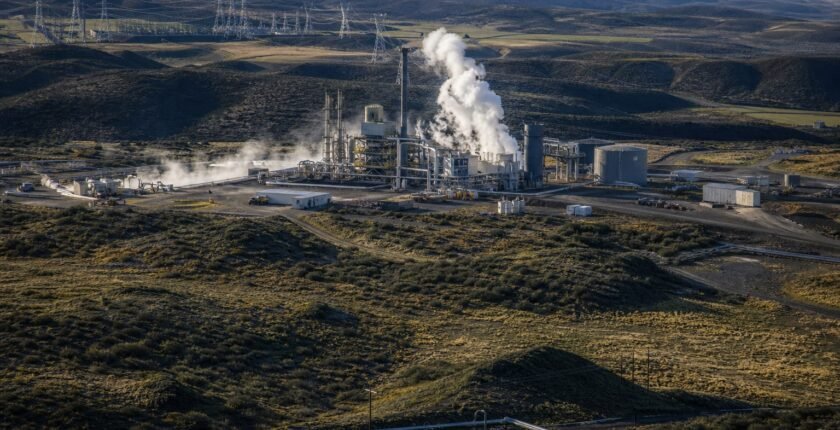
Fervo Energy is pursuing what it describes as the first commercially operated enhanced geothermal energy centre in the United States, a project sited in Utah and discussed on CNBC’s Closing Bell Overtime by Pippa Stevens, as first reported by CNBC. Enhanced geothermal, often called engineered or stimulated geothermal, means creating or improving subsurface permeability so heat can be harvested where natural permeability is insufficient. The company named in the broadcast is Fervo and the segment singled out Utah as the project location; no capacity, date or partner details were provided in the segment.
Key takeaways
- Project ambition: Fervo is pursuing the first commercially operated enhanced geothermal energy centre in the United States.
- Where it was reported: Pippa Stevens discussed Fervo’s Utah project on CNBC’s Closing Bell Overtime.
- Location named: The project referenced in the broadcast is located in Utah.
Table of contents
What Fervo announced on CNBC and what is public
CNBC’s broadcast named Fervo and a Utah site when discussing the company’s plan to move an enhanced geothermal project toward commercial operation. The segment identified the company and the state but did not include technical specifications, an operating date, capacity figures, partners or financing terms. That absence leaves the announcement at the level of intent rather than a completed commercial programme.
For readers who need a single reference point: the company cited in the segment is Fervo and the place mentioned is Utah. Fervo’s name and the Utah location are the only concrete project identifiers available from the broadcast.
How enhanced geothermal works and why companies pursue it
Enhanced geothermal energy means deliberately stimulating heat-bearing rock to create permeability so water or another working fluid can circulate, pick up subsurface heat and return it to the surface for power generation or heat delivery. That definition explains the basic mechanism without relying on any technical numbers or claims that were not in the broadcast.
Developers pursue this approach because it aims to unlock heat resources where natural permeability is low, potentially enabling baseload low‑carbon power in regions with suitable geology. The CNBC piece positioned Fervo within that commercial rationale by naming the company as moving toward a commercial project in Utah.
What follows next and the real hurdles to commercial scale
Moving from demonstration to commercial operation requires several discrete steps that the broadcast did not detail: securing drilling and environmental permits, confirming subsurface response through tests, arranging grid interconnection if the facility will supply electricity, and finalising project financing. Each of those steps commonly determines whether an enhanced geothermal plan reaches commercial status, and none were reported with specifics in the CNBC segment.
Because the segment named the plan but gave no dates or figures, the practical milestones to watch are the company’s public operational timeline, regulatory filings in Utah and any announcements of partners or financiers. Those items will convert the stated ambition into verifiable commercial progress.
Case for and against commercial success
The case for
- Enhanced geothermal can deliver firm, low‑carbon power in suitable geology, which supports a commercial case if the subsurface performs as designed.
- A high‑profile company move toward commercial operation can attract capital and partners if early tests show predictable reservoir behaviour.
The case against
- Drilling and stimulation outcomes are inherently uncertain; poor subsurface response or induced seismicity can delay or halt projects.
- Permitting, grid connection and financing timelines often extend well beyond the initial announcement, so an intention to commercialise is not the same as achieved commercial operation.
What to be careful about
- The broadcast provided no project capacity, timeline or financing details, leaving execution risk unresolved.
- Subsurface performance risk (stimulation and permeability) can prevent a project reaching commercial output.
- Permitting or interconnection delays in Utah could push a planned launch well beyond early company statements.
The bottom line
The CNBC broadcast put Fervo and a Utah site at the centre of its coverage but provided only an intention: the company is pursuing a commercial enhanced geothermal project rather than reporting completed commercial operations. Because the segment named the developer and location but supplied no technical or timetable details, verifying commercial status depends on forthcoming announcements, regulatory filings and test results. For now the story is an early commercial ambition; the concrete milestones to watch are firm operating dates, capacity figures and regulatory approvals when Fervo or public authorities publish them.
What to watch
- Watch for a Fervo announcement of a commercial‑operation date; no date has been set.
- Watch for regulatory filings or permitting notices in Utah from Fervo or local authorities; no date has been set.
Frequently asked questions
What exactly did CNBC report about Fervo?
CNBC’s segment named Fervo and identified a project site in Utah while discussing the company’s effort to advance an enhanced geothermal project; the broadcast did not provide capacity, operational date or partner details.
What is enhanced geothermal energy?
Enhanced geothermal energy involves stimulating subsurface rock to create or increase permeability so a working fluid can circulate, harvest heat and be used to generate power or supply heat; the article defines the term so the headline can be answered without technical figures.
Does this mean the U.S. will get its first commercial enhanced geothermal centre?
The broadcast reported Fervo’s intent to pursue the first commercially operated centre in the United States, but it stopped short of confirming an operational date or completed commercial status.
Related reading