
Blog
Oklahoma Repurposing of 19,000 Orphaned Wells Stalls
Estimated reading time: 5 minutes · Last updated:
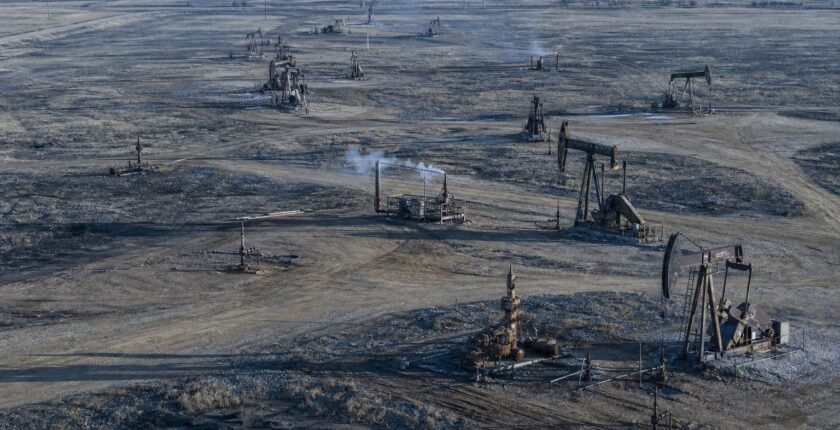
Oklahoma lawmakers approved House Bill 3173 in the House but the measure stalled before a Senate floor vote, leaving more than 19,000 orphaned wells and a corporation commission estimate that the plugging queue clears in 235 years. HB3173, the Well Repurposing Act, would have let companies buy and convert orphaned wells for geothermal production or energy storage at temperatures at or above 250 degrees Fahrenheit, with oversight by the corporation commission or the environmental quality department. The details here are as first reported by Energies Media.
Key takeaways
- House vote: The House passed HB3173 on 16 March 2026 by 85 votes to 6.
- Orphaned inventory: Oklahoma's inventory includes more than 19,000 orphaned or abandoned wells.
- Queue estimate: The corporation commission's chief financial officer told lawmakers the queue clears in 235 years at current rates.
- Technical thresholds: HB3173 set a qualifying temperature at or above 250 degrees Fahrenheit; a pilot director said 250 degrees is too high and that 180 degrees would be more feasible.
Table of contents
- Key takeaways
- What HB3173 would have allowed and how far it progressed
- How a depleted oil well can be reused for heat
- Why geology and rules limit how many wells qualify
- Scale, costs and what a conversion programme would actually achieve
- How the case for conversions could advance or stall
- What to be careful about
- Frequently asked questions
What HB3173 would have allowed and how far it progressed
House Bill 3173, labelled the Well Repurposing Act, aimed to create a legal process for companies to buy orphaned wells outright and convert them for geothermal production or energy storage. The measure required a qualifying subsurface temperature at or above 250 degrees Fahrenheit and placed oversight responsibilities with the corporation commission or the environmental quality department.
The House approved the bill on 16 March 2026 by 85 votes to 6. After clearing the Senate energy committee in late April 2026 it was placed on the general order calendar on 28 April 2026 but received no floor vote in the Senate. Because the bill did not receive that floor vote it is effectively stalled and any future version would start over.
How a depleted oil well can be reused for heat
A converted well uses the existing steel casing as a conduit to reach hotter rock at depth. A closed loop of pipe is dropped inside the casing; a working fluid runs down one side, picks up heat from the surrounding rock, and returns up the other side. That arrangement produces heat without lifting formation water or injecting into the reservoir—the design purposefully separates these conversions from older geothermal models that required produced water handling.
The conversion idea matters because drilling is commonly the largest single capital line in a geothermal project—routinely half or more of the cost—and an existing hole is one nobody pays for twice. The bill's supporters argued that reusing an existing borehole may be economically viable to private capital where new drilling costs would otherwise be prohibitive.
Why geology and rules limit how many wells qualify
The state's subsurface temperature profile rules out many wells. HB3173's 250 degrees Fahrenheit threshold would exclude most of Oklahoma's inventory because Oklahoma does not run as hot at depth as Nevada or California. Researchers at a conversion pilot near Tuttle said publicly that 250 degrees is too high and that lowering the threshold to 180 degrees would make conversions feasible for many more wells.
A separate barrier is regulatory: the pilot could not reach the deeper holes it planned because no rules existed to govern work at greater depths. Without a legal framework that caps or allows specific depths, operators and regulators face uncertainty about how far down conversions can safely go. Old paper maps continue to turn up undocumented wells, so the inventory itself is incomplete and locating candidates adds time and cost.
Scale, costs and what a conversion programme would actually achieve
Oklahoma's orphaned well inventory dates back to wells drilled in the 1890s and totals more than 19,000 wells that are orphaned or abandoned. That scale is the constraint: the bill's author warned conversions would not cut the list even in half. The state's corporation commission hires contractors to plug wells, and its chief financial officer told lawmakers the existing plugging queue would clear in 235 years if costs and revenues hold and no further wells are added.
Specialists argue the practical path may be a distributed heat approach: new surface equipment delivers useful heat from lower-temperature wells with smaller outputs, which shifts the project from centralised power plants to many small heat producers. Meanwhile, ongoing improvements in drilling technology are lowering the cost of new depth; each year those gains change the economics for reusing existing holes versus simply drilling anew.
| Jurisdiction / item | Orphaned wells (inventory) | Policy / threshold |
|---|---|---|
| Oklahoma (state inventory) | more than 19,000 | HB3173 set qualifying temperature at or above 250 degrees Fahrenheit |
| Oklahoma (pilot near Tuttle) | pilot area only | pilot director said 250°F is too high; 180°F would be more feasible |
| New Mexico (model law) | roughly 2,000 | law signed in March of 2025; served as HB3173 model |
How the case for conversions could advance or stall
The case for
- Reusing existing boreholes removes the drilling cost that is commonly half or more of a project's capital expenditure, which could make modest geothermal or storage projects attractive to private capital.
- If regulators adopt lower temperature thresholds (for example, 180 degrees Fahrenheit) and clear rules for depth, more wells could qualify and pilots may scale into distributed heat deployments.
The case against
- A 250 degrees Fahrenheit threshold excludes most of Oklahoma's inventory and the absence of depth rules kept pilot teams from reaching hotter rock, limiting near-term conversions.
- The bill stalled without a Senate floor vote, and the corporation commission's 235-year queue estimate under current plugging rates underscores that conversions would address only a small fraction of the liability absent major new policy or funding.
What to be careful about
- Unplugged wells leak methane and can move pollutants into soil and water while they remain on the inventory.
- A high qualifying temperature in statute would exclude many wells, leaving private capital unable to deploy at scale.
- Regulatory gaps on allowable depth prevented pilot teams from reaching hotter formations, adding legal and operational uncertainty.
- Falling cost of new drilling could make reusing old holes less attractive over time, undermining the economic case for conversions.
The bottom line
HB3173 opened a practical path for private capital to try buying and converting orphaned wells, but its 250 degrees Fahrenheit threshold, regulatory gaps on depth and an incomplete inventory limited its reach. With more than 19,000 wells and a corporation commission estimate that the plugging queue clears in 235 years at current rates, conversions could be part of a broader toolkit—particularly if rules change to allow lower-temperature operations or the Tuttle pilot demonstrates viable equipment for 180-degree resources. For now, the Senate's failure to take a floor vote means the proposal is stalled and any future effort will have to restart the legislative process.
What to watch
- Watch for any revived version of HB3173 to be filed in the Oklahoma legislature; no date has been set.
- Watch for corporation commission rulemaking or guidance on permissible conversion depth and technical standards; no date has been set.
- Watch for results and technical notes from the Tuttle conversion pilot that address the 180 degrees versus 250 degrees threshold; no date has been set.
Frequently asked questions
What did HB3173 propose?
HB3173, the Well Repurposing Act, would have let companies buy orphaned wells and convert them for geothermal production or energy storage if the subsurface met a qualifying temperature of at or above 250 degrees Fahrenheit, with oversight by the corporation commission or the environmental quality department.
How many orphaned wells does Oklahoma have?
Oklahoma's inventory includes more than 19,000 orphaned or abandoned wells dating back to the 1890s; the corporation commission hires contractors to plug them, and its CFO estimated the current plugging queue would clear in 235 years under present rates.
Would conversions eliminate the plugging backlog?
No; the bill's author said conversions would not cut the list even in half. The policy was framed as a revenue idea layered onto a liability, not as a comprehensive plugging programme.
Related reading