
Blog
BPA Seeks 6.3% Rate Hike After Columbia Dam Deal Fails
Estimated reading time: 5 minutes · Last updated:
The Bonneville Power Administration has proposed a 6.3% electricity rate increase and is asking to recover $250 million through fiscal year 2028 to cover costs it attributes to court-ordered spill measures for salmon on the Columbia and Snake rivers. The filing ties those costs to a judge’s order requiring more spill at eight federal dams after the 2023 Resilient Columbia Basin Agreement was canceled, a step that Bonneville says will reduce generation and raise wholesale rates. This coverage is as first reported by The Seattle Times.
We just continue to see heightened demands and pressures on the region’s hydro system.
Scott Simms, CEO and executive director, Public Power Council
Key takeaways
- Proposed rise: Bonneville Power Administration proposes a 6.3% electricity rate increase.
- Recovery target: Bonneville is seeking to recover $250 million through fiscal year 2028.
- Regional role: Bonneville markets about one-third of the electricity in the Northwest and operates almost 75% of the region's high-voltage transmission.
- Cause named: The filing attributes the costs to court-ordered spill measures intended to aid imperiled salmon after the federal Columbia Basin agreement was canceled.
Table of contents
- Key takeaways
- Why BPA is asking for a 6.3% increase
- How spill reduces hydropower output and revenue
- Who would feel higher wholesale rates and how utilities are responding
- Legal and political backdrop shaping the rate filing
- How the case for and against the hike stacks up
- What to be careful about
- Frequently asked questions
Why BPA is asking for a 6.3% increase
Bonneville’s filing this month proposes a 6.3% increase in wholesale electricity rates and explicitly links the request to anticipated costs from court-ordered spill measures meant to aid salmon migration on the Columbia and Snake rivers. The agency says those measures, which require spilling more water "over hydropower dams instead of through turbines," will reduce generation at federally operated projects and raise the cost of meeting customer demand.
In the filing Bonneville says it seeks to recover $250 million through fiscal year 2028; the agency also noted operational stress on the grid from drought, extreme weather and new load proposals such as data centers. Bonneville markets about one-third of the region’s electricity and operates roughly three-quarters of the high-voltage transmission infrastructure in its service area, so shifts in its costs can cascade to many utilities that purchase its power.
How spill reduces hydropower output and revenue
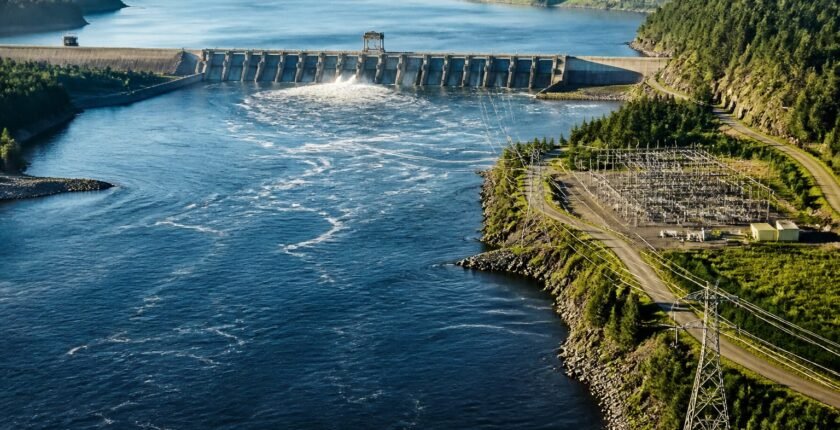
Spill is water routed over dams rather than through turbines; it helps migrating salmon but reduces the volume of water available to generate electricity. The court-ordered measures ordered earlier this year lengthen the period when moderate spill must be used, including a spill requirement that now runs through the entire month of August, when river flows are low and air-conditioning demand is high.
The Columbia and Snake river system presents a difficult migration route: salmon face 325 miles of slack water and must pass over or through eight dams both ways. That geography amplifies the effect of additional spill on seasonal generation, and Bonneville argues the lost production creates a need to buy replacement power and raise wholesale rates to keep its finances balanced.
Who would feel higher wholesale rates and how utilities are responding
The immediate bill impact for retail customers will differ by utility. The Snohomish County Public Utility District, the agency’s largest customer and supplier to more than 880,000 residents north of Puget Sound, said spokesperson Kellie Stickney that customers would not see an immediate hit; the district and other providers will review the situation and press for ratepayer protections. Seattle City Light, which buys about 30% of its power from Bonneville, said spokeswoman Kate Jacobs that it plans to draw on its rate stabilization account to absorb added costs without passing them on to customers over the next few years.
Public Power Council CEO Scott Simms framed the filing as part of wider pressures on the regional hydro system, citing drought and extreme weather. Conservation groups counter that Bonneville has a history of overstating fish-related costs — Earthjustice noted Bonneville ended 2018 with a $123 million surplus and said the agency’s revenue forecast currently exceeds projections by $38 million — and warned that the agency may be scapegoating salmon for planning shortfalls.
Legal and political backdrop shaping the rate filing
The immediate cause of the court-ordered spill measures was the collapse of a 2023 settlement, the Resilient Columbia Basin Agreement, after President Donald Trump withdrew the federal government from the deal last year. That cancellation resumed years of litigation and led a court this spring to order increased spill at multiple dams to aid endangered and threatened salmon stocks.
Tribes, states and conservation groups had agreed to the 2023 pact with federal negotiators as a path toward salmon recovery and, in some proposals, dam removal. After the agreement fell apart, Oregon Governor Tina Kotek wrote that the proposed rate increase was a "direct consequence of the Trump Administration’s failure to follow the law," while Earthjustice attorney Michael Mayer said it is premature to blame salmon for the agency’s financial position. Bonneville has been limited in public comment during the rate proceedings, citing rules that restrict communications.
How the case for and against the hike stacks up
The case for
- If courts maintain limited spill or operators find ways to increase generation during peaks, Bonneville could avoid full recovery of the $250 million and limit the rate increase.
- Utilities with cash reserves, like Seattle City Light’s rate stabilization account, can buffer retail customers from an immediate pass-through of wholesale increases.
The case against
- If the rate case proceeds as filed, wholesale bills would rise 6.3%, and smaller utilities without reserves could face steeper retail adjustments later.
- Continued drought, higher electricity demand from data centers, or further court-ordered spill requirements would increase replacement purchases and pressure Bonneville’s finances beyond the $250 million estimate.
What to be careful about
- Retail rate pressure for smaller utilities that lack large cash reserves, which could force steeper bill increases in future years.
- Operational risk that prolonged spill during high-demand months will increase Bonneville’s need to purchase replacement power at higher market prices.
- Political and legal risk that further litigation or new policy changes will alter required operations and the underlying cost assumptions in the rate case.
The bottom line
Bonneville’s BP-27 filing frames a 6.3% wholesale rate increase as a direct response to the costs of court-ordered spill measures and seeks $250 million through fiscal year 2028. The filing unfolds against a broader backdrop of litigation, the cancellation of the 2023 Resilient Columbia Basin Agreement, and mounting climate and demand pressures on regional hydro resources. Utilities and advocacy groups disagree on the size and cause of the shortfall, and the rate case — which Bonneville aims to complete by Dec. 18 — will decide how much of the cost is passed through to utilities and, eventually, to customers.
What to watch
- Watch for the BP-27 rate case decision; Bonneville aims to wrap up the process by Dec. 18.
- Watch whether Bonneville recovers the $250 million it says is attributable to court-ordered spill through fiscal year 2028.
Frequently asked questions
How large is the proposed rate increase?
Bonneville proposes a 6.3% increase in wholesale electricity rates, filed this month as part of the BP-27 rate case.
Why does Bonneville say rates must rise?
Bonneville attributes the request to costs tied to court-ordered spill measures for salmon and says it seeks to recover $250 million through fiscal year 2028 to cover replacement power and related expenses.
Will households see higher bills immediately?
Not necessarily; Seattle City Light, which buys about 30% of its power from Bonneville, said it will use a rate stabilization account to absorb costs in the next few years, while smaller utilities without large reserves may face pressure later.
Related reading