
Blog
EnergyPathways Advances MESH Toward £1bn Financing
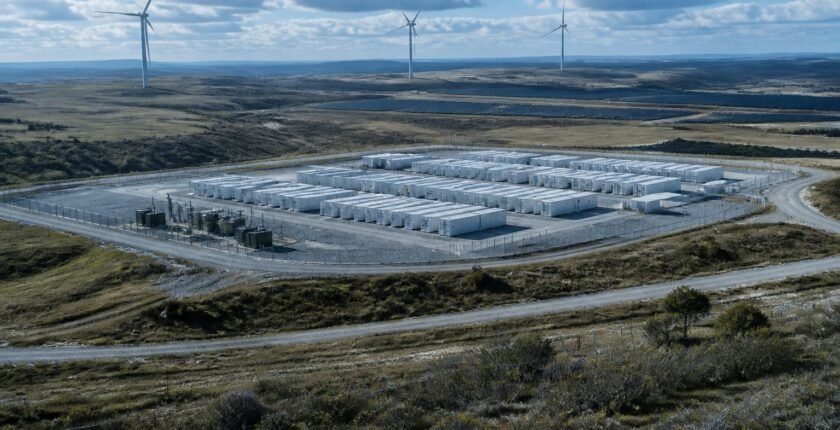
Estimated reading time: 5 minutes · Last updated:
EnergyPathways plc is advancing the Marram Energy Storage Hub (MESH), a proposed 300MW / 55GWh long-duration store sited about 11 miles off the Lancashire coast, as part of a programme it values at £1.02 billion-£1.20 billion. The company says pre-FEED work is complete, Jacobs has been appointed to support the Development Consent Order process, and the UK designated the programme as of National Significance in September 2025. EnergyPathways is pursuing Ofgem’s next Cap & Floor round in Q4 2026, discussing DEVEX and CAPEX financing and seeking definitive offtake and bank term sheets to move toward FIDs and commercial operation dates.
Key takeaways
- LDES scope: The Marram Energy Storage Hub is proposed as a 300MW / 55GWh compressed-air facility offering more than 100 hours of storage using offshore salt caverns.
- Gas storage: EnergyPathways holds a Gas Storage Licence and proposes around 1.3 billion cubic metres of working gas capacity, which it says could roughly double UK domestic gas storage from six to 12 days.
- Programme cost: Combined development and construction expenditure across the three projects is estimated at £1.02 billion-£1.20 billion.
- Near-term finance: The company has a £5 million three-year convertible loan note and a £10 million at-the-market facility; £2 million has been drawn under the loan note and £500,000 converted to shares.
Table of contents
How MESH is sized and where long-duration storage fits
EnergyPathways presents the Marram Energy Storage Hub as the centrepiece of its programme. The proposed facility is a compressed-air system rated at 300MW with 55GWh of stored energy, intended to deliver in excess of 100 hours of discharge capacity by using offshore salt caverns about 11 miles off the Lancashire coast. The company reports pre-FEED work as complete and says Jacobs has been appointed to support the Development Consent Order process and the company’s planned participation in Ofgem’s next Cap & Floor round.
Capital expenditure for the LDES element is estimated at £450 million-£500 million, with a targeted final investment decision in 2028 and commercial operations scheduled for 2031-32. EnergyPathways’ scoping economics for this asset include potential annual revenue of £100 million-£200 million, EBITDA of £40 million-£120 million and an NPV8 in the £300 million-£500 million range, all stated as subject to FEED, approvals and binding offtake or financing agreements.
The strategic gas store: licence, scale and timing
In July 2026 EnergyPathways received a Gas Storage Licence from the North Sea Transition Authority and set out a proposed facility designed for around 1.3 billion cubic metres of working gas capacity. The company says that scale could roughly double UK domestic gas storage from six to 12 days. That capacity is intended to provide seasonal and security-of-supply value alongside system flexibility.
Estimated CAPEX for the gas and hydrogen storage element is £450 million-£500 million, with a targeted FID in 2027-28 and commercial operations from 2030-31. Company scoping economics shown for this project include annual revenue of £100 million-£150 million, EBITDA of £50 million-£70 million and an NPV8 of £250 million-£500 million, all described as contingent on further engineering, approvals and definitive contracts.
Hydrogen, ammonia and graphite production and the combined financing challenge
A third pillar of the programme is a methane-pyrolysis plant the company is studying to produce hydrogen, ammonia and graphite. EnergyPathways’ scoping output for that facility is about 110,000 tonnes of ammonia, 20,000 tonnes of hydrogen and 60,000 tonnes of graphite per year. CAPEX is estimated at £120 million-£200 million, with a target FID in 2027-28 and operations from 2029-30.
Taken together across LDES, strategic gas/hydrogen storage and the production plant, EnergyPathways estimates combined development and construction expenditure at £1.02 billion-£1.20 billion. The group is pursuing near-term DEVEX funding while engaging banks, institutional investors and strategic counterparties on longer-term CAPEX term sheets. On balance, the company presents revenue, EBITDA and NPV ranges for each project but repeatedly stresses these are scoping estimates until FEED, approvals and binding offtake or financing are secured.
| Project | Proposed capacity / output | Estimated CAPEX | Target FID | Commercial operations | Scoping revenue / EBITDA / NPV8 |
|---|---|---|---|---|---|
| Marram LDES | 300MW / 55GWh; >100 hours | £450m-£500m | 2028 | 2031-32 | £100m-£200m / £40m-£120m / £300m-£500m |
| Strategic gas & hydrogen storage | Around 1.3 billion cubic metres | £450m-£500m | 2027-28 | 2030-31 | £100m-£150m / £50m-£70m / £250m-£500m |
| Hydrogen / ammonia / graphite plant | 110,000 t ammonia; 20,000 t H2; 60,000 t graphite | £120m-£200m | 2027-28 | 2029-30 | £100m-£200m / £40m-£60m / £200m-£300m |
Two ways this programme can play out
The case for
- Participation in Ofgem’s Cap & Floor round in Q4 2026 and strong FEED results could unlock DEVEX and anchor offtake contracts, enabling the 2028 FIDs the company targets.
- A combined financing package that mixes institutional debt, strategic offtake and project-level equity would match the company’s £1.02 billion-£1.20 billion capex estimate and allow staged deliveries of operations between 2029 and 2032.
The case against
- Delay or rejection in the Cap & Floor process, or failure to secure definitive offtake and bank term sheets, would leave the projects as scoping studies and push FIDs beyond the current 2027-28 targets.
- Significant increases in construction or permitting costs compared with the stated £450m-£500m and £120m-£200m ranges would erode projected EBITDA and NPV8 metrics and could require equity dilution or reduced scope.
What to be careful about
- Ofgem Cap & Floor participation is a conditional pathway; failure to enter or win terms would materially affect project bankability.
- Engineering and consenting timelines for offshore salt caverns and subsea works could extend beyond the company’s projected 2028 and 2027-28 FID targets.
- The combined £1.02bn-£1.20bn financing requirement creates execution risk if DEVEX and CAPEX sources are not aligned or come with onerous conditions.
- Market prices and demand for hydrogen, ammonia and graphite will determine realised revenue versus the company’s stated £100m-£200m annual ranges.
The bottom line
EnergyPathways has assembled a multi-element programme that pairs a 300MW / 55GWh LDES scheme with large-scale gas storage and a methane-pyrolysis production plant, and it places financing at the centre of near-term progress. The company’s public scoping numbers show significant potential revenues and NPV values, but all sit behind FEED, approvals, Ofgem Cap & Floor engagement and binding financing or offtake agreements. The coming months, and particularly the Q4 2026 Cap & Floor timetable and the 2027-28 FID window the company cites, will determine whether those scoping ranges can be crystallised into funded projects.
What to watch
- Entry into Ofgem’s Cap & Floor round in Q4 2026 and any published application details or award decision.
- Final investment decision for the LDES element targeted for 2028 and the company’s announcement confirming or deferring that FID.
- Progress on FIDs for the gas storage and hydrogen/ammonia projects in 2027-28, including any binding offtake or financing term sheets.
Frequently asked questions
What is the size and discharge duration planned for MESH?
EnergyPathways describes MESH as a 300MW / 55GWh compressed-air energy store designed to provide more than 100 hours of discharge using offshore salt caverns located around 11 miles off the Lancashire coast.
How large is the proposed gas storage and what effect would it have on UK supply?
The company proposes around 1.3 billion cubic metres of working gas capacity and says that could roughly double UK domestic gas storage from six to 12 days, improving seasonal and security-of-supply resilience.
What finance has the company already secured for development?
EnergyPathways currently has a £5 million three-year convertible loan note and a £10 million at-the-market facility; it has drawn £2 million under the loan note and converted £500,000 into shares.
Related reading
This article is information, not financial advice. Anyone acting on it should do their own checks.