
Blog
NineDot opens 20 MW Hunts Point battery to serve 20,000 homes
Estimated reading time: 5 minutes · Last updated:
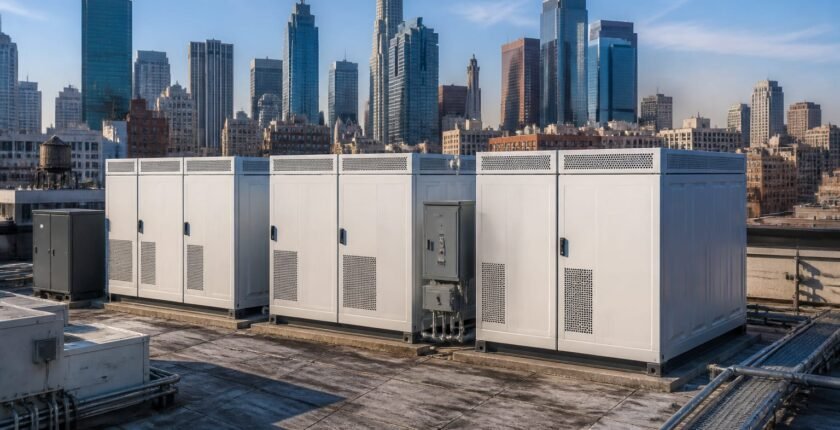
NineDot Energy has commissioned a nearly 20 megawatt battery energy storage system in Hunts Point, the Bronx, that the company says can supply roughly 20,000 homes during peak grid hours. The site replaces the former location of a fuel-oil trucking company and is intended to reduce reliance on nearby fossil-fuel “peaker” plants while improving local air quality and grid reliability. NineDot says the installation will be ready in time for next summer’s heat waves and forms part of its wider New York portfolio and development pipeline.
“Hunts Point has historically been overburdened by high-emitting fossil fuels, and this battery storage facility marks an inflection point in improving the local environment and grid reliability.”
Adam Cohen, NineDot’s chief technology officer and co-founder
Key takeaways
- Site capacity: The new Hunts Point installation provides nearly 20 megawatts of battery capacity and is sized to supply about 20,000 homes during peak hours.
- Local context: Hunts Point experiences heavy diesel traffic and nearby peaker plants; the project replaces a fuel oil trucking site and is pitched as a tool to reduce local pollution.
- NineDot fleet: NineDot currently operates 11 projects across six locations totalling 39 MW and has a development pipeline exceeding 1 GW and more than 60 projects in development.
- Operational precedent: During the July 1–4, 2026 heat wave, nine NineDot projects exported nearly 34 megawatts to Con Edison’s network and the statewide transmission system.
- Corporate target: NineDot says it remains on track to reach 400 MW across active, building and planned projects by the end of 2026.
Table of contents
How the Hunts Point battery supports peak demand and the grid
The Hunts Point system is designed to discharge during peak hours, shaving demand on local wires and the wider transmission network. NineDot frames that capability as a direct substitute for short-run, high-emission peaker plants that only run when demand spikes.
By supplying nearly 20 megawatts at peak, the installation can cover a substantial slice of short-duration demand in its Con Edison service area. The company describes this use as bolstering grid reliability during extreme weather and high-stress conditions while offering an alternative to burning fuel in nearby peaker units.
Battery energy storage stores electricity from the grid or nearby generation and releases it when demand climbs; that brief, high-power output reduces the need for peaker plant starts and can smooth local voltage and frequency during stressed hours.
NineDot’s New York footprint and recent performance
NineDot already operates multiple projects in the city: 11 projects at six locations in Staten Island and the Bronx that together total 39 MW. The Hunts Point site adds to that operational base and to a larger development pipeline the company reports exceeds 1 GW.
The company reports more than 60 projects in development and says it is on schedule to reach a corporate target of 400 MW across operating, construction and development stages by the end of 2026. Those figures place Hunts Point inside a fast-growing local portfolio rather than as an isolated pilot.
NineDot points to operational experience: during 1–4 July 2026 nine of its projects sent nearly 34 MW into Con Edison’s local network and the statewide transmission system. The company compared that energy to cutting demand equivalent to roughly 50,000 window air conditioners or to powering about 34,000 households for four hours a day during peak periods.
Community and policy context in Hunts Point
Project spokespeople and local officials positioned the Hunts Point site as addressing long-standing environmental burdens in the Bronx. The neighbourhood endures heavy diesel traffic — more than 10,000 diesel trucks travel the area each day in NineDot’s account — and two high-emissions peaker power plants sit in nearby Port Morris.
Health data cited in the announcement showed Hunts Point–Mott Haven recorded asthma-related emergency room visits in 2023 at two to three times the citywide average. NineDot and local leaders argue that reducing peaker-plant runs and supporting electrification of the market and truck fleet could help lower fine particulate emissions tied to those outcomes.
NineDot emphasised the site’s reuse of a former fuel oil trucking company lot and framed the installation as part of New York City’s broader push to transition away from fossil-fuel peakers toward cleaner, resilient electricity options. City and state officials attended the ribbon-cutting and highlighted policy and program support for storage deployment.
| Metric | Hunts Point site | NineDot city fleet (operational) | Recent peak export (July 1–4, 2026) |
|---|---|---|---|
| Power capacity | Nearly 20 MW | 39 MW | Nearly 34 MW exported |
| Household-equivalent | About 20,000 homes at peak | — | About 34,000 households for four hours |
| Locations | Hunts Point, Bronx | Six locations (Staten Island and Bronx) | Multiple sites contributing |
Case for and against the Hunts Point project’s near-term impact
The case for
- The site can reduce short-run calls on nearby peaker plants if dispatched into peak hours, lowering local combustion emissions and supporting electrification of market operations.
- Operational precedent — nine projects exporting nearly 34 megawatts during a July 2026 heat wave — demonstrates NineDot’s ability to contribute bulk power to Con Edison’s local network when needed.
The case against
- Storage displaces only the short-duration output of peaker plants; sustained grid shortages or longer cold snaps require other resources, so the local air-quality effect depends on how often the battery is called and on peaker retirement plans.
- Delivering community benefits requires coordination on dispatch, interconnection and market participation; limits on those processes could reduce the asset’s use during the highest-emission hours.
What to be careful about
- If interconnection or dispatch agreements constrain how frequently the battery can discharge, the site will have less effect on peaker runtimes and emissions.
- Site readiness claims hinge on construction and commissioning schedules; any delay would push back the stated goal of being operational in time for next summer’s heat waves.
- Realising local air-quality improvements depends on policy and retirement of the nearby peaker plants rather than storage alone.
The bottom line
The Hunts Point battery adds nearly 20 megawatts of short-duration capacity to the Bronx and sits inside a larger NineDot programme that already runs multiple New York projects and claims a development pipeline exceeding 1 GW. The site is positioned to reduce peak dispatches of nearby peaker plants and to support local electrification, but its climate and health benefits will depend on how often it is dispatched, the retirement or retrofit of peaker units, and the timing of full commercial operation. Confirming the site’s operational date and the firm’s broader pipeline progress will be the clearest near-term tests of the project’s promised impact.
What to watch
- Watch whether NineDot declares the Hunts Point site fully commercially operational; no date has been set.
- Watch NineDot’s progress toward its stated goal of 400 MW in operation, under construction, or in development by the end of 2026.
Frequently asked questions
How much power can the Hunts Point battery provide?
NineDot says the Hunts Point installation can deliver nearly 20 megawatts and is sized to power about 20,000 homes during peak grid hours.
What experience does NineDot have in New York?
NineDot runs 11 projects at six sites in Staten Island and the Bronx, together totaling 39 MW. During 1–4 July 2026, nine of those projects supplied nearly 34 MW to Con Edison’s network.
Why is Hunts Point a focus for this storage project?
The company and officials cited local pollution burdens — more than 10,000 diesel trucks pass through the area daily and two peaker plants operate in nearby Port Morris — and noted Hunts Point–Mott Haven recorded asthma-related ER visits in 2023 at two to three times the citywide average.
Related reading