
Blog
Equinor brings 100MW Citrus Flatts battery online
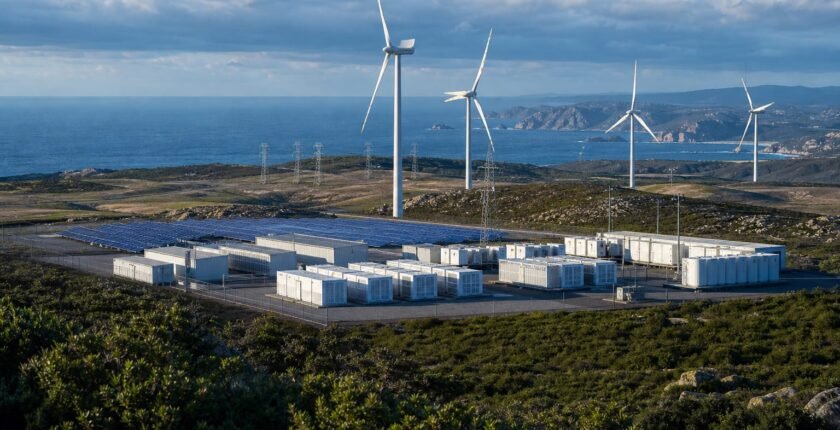
Estimated reading time: 4 minutes · Last updated:
Equinor's East Point Energy has begun commercial operations at Citrus Flatts, a 100 MW/200 MWh battery energy storage facility in Harlingen, Texas, as first reported by energy-pedia.com. Citrus Flatts is East Point’s largest US project to date and follows last year’s 10 MW/20 MWh Sunset Ridge start-up; together the two Texas assets can power about 30,000 homes for up to two hours within the ERCOT market. Equinor said it views the facilities as part of a shift from developer to independent power producer, with both Texas batteries operating on merchant terms in ERCOT and portfolio optimisation supported through Equinor’s commercial trading links with Danske Commodities.
The start-up of these facilities underscores Equinor’s ambition to grow its integrated power business, delivering flexible and reliable energy solutions in attractive power markets,
Christian Lie Hansen, Equinor vice president of onshore renewables Americas and chair of the East Point Energy board
Key takeaways
- Citrus Flatts is a 100 MW/200 MWh battery storage facility that entered commercial operation in Texas.
- Equinor has put five battery storage facilities into commercial production in four years through East Point Energy.
- Citrus Flatts and Sunset Ridge together can serve around 30,000 homes for up to two hours in ERCOT.
- A four-project Virginia portfolio totalling 80 MW/160 MWh is under construction and on track for commercial operation in early 2027.
- Sunset Ridge is East Point’s first operational project at 10 MW/20 MWh; Citrus Flatts is its second.
Table of contents
What Citrus Flatts is and why the capacity matters
Citrus Flatts is a grid-scale battery situated in Cameron County, Texas, rated at 100 MW and storing 200 MWh of energy. At that size the asset can discharge at 100 MW for two hours, which is the standard way system operators and developers describe a 2-hour duration resource. The plant expands East Point’s operational footprint: its earlier Texas asset, Sunset Ridge, is 10 MW/20 MWh, making Citrus Flatts the dominant unit in the company’s US fleet.
Equinor frames the build as part of a strategic shift: East Point moves from developer to independent power producer to capture merchant and trading value across markets. The 100 MW/200 MWh specification gives the site flexibility to provide frequency response, peak energy and short-duration reserve services in ERCOT, while also being large enough to participate in wholesale trading that Equinor supports through its commercial arm and partner Danske Commodities.
How the Texas assets will operate inside ERCOT
Equinor says both Texas projects will run as merchant assets inside ERCOT rather than under long-term capacity contracts. Merchant operation means revenues will come from wholesale energy, ancillary services and short-term market arbitrage, all of which are shaped by ERCOT price dynamics and dispatch patterns.
That operating model ties battery performance to market outcomes: higher price volatility can boost revenue opportunities but also raises earnings uncertainty. Equinor highlights integrated trading and portfolio optimisation, assisted by Danske Commodities, as its primary tool to improve revenue capture and manage dispatch across the company’s assets in ERCOT and other markets.
Virginia portfolio, timing and next steps for East Point
Beyond Texas, construction is underway on four battery projects in Virginia that together total 80 MW/160 MWh. Equinor says that Virginia portfolio is on track to reach commercial operation in early 2027, taking the company’s active projects in US markets beyond the two Texas sites.
If the Virginia projects meet that timetable they will broaden East Point’s merchant exposure into PJM, where price drivers and ancillary markets differ from ERCOT. The move also spreads operational risk across two US grid regions and provides more assets for portfolio-wide optimisation through Equinor’s trading capability.
| Project | Location | Capacity (MW) | Energy (MWh) | Status |
|---|---|---|---|---|
| Citrus Flatts | Harlingen, Cameron County, Texas | 100 | 200 | Commercial operation (Sept 2026) |
| Sunset Ridge | Texas | 10 | 20 | Operational (started previous year) |
| Virginia portfolio | Virginia (PJM) | 80 | 160 | Under construction; on track early 2027 |
Outlook — two sides of the merchant model
The case for
- Greater scale and a second operational project give East Point more flexibility to optimise dispatch and capture volatile price spikes in ERCOT using Equinor’s trading capability.
- A broader US portfolio, with Virginia projects in PJM, reduces single‑market exposure and allows cross-market trading strategies that can raise aggregate fleet returns.
The case against
- Merchant revenues depend on ERCOT and PJM wholesale prices and ancillary markets; sustained low prices would compress returns on otherwise operational assets.
- Construction or commissioning delays in Virginia would postpone expected revenue diversification and leave the company more concentrated in ERCOT.
What to be careful about
- Revenue volatility because both Texas projects will run on merchant terms tied to ERCOT market prices.
- Schedule or permitting delays for the Virginia portfolio could push back commercial operation beyond early 2027.
- Asset performance or battery degradation could reduce available discharge duration and lower market participation if availability falls.
The bottom line
Citrus Flatts gives Equinor a materially larger operational battery in the US and signals East Point’s shift toward running merchant power assets supported by Equinor’s trading capabilities. The Texas projects increase the company’s flexibility to provide peak energy and grid services in ERCOT, while the 80 MW/160 MWh Virginia portfolio, due in early 2027, will add geographic diversity and new market exposures. The path ahead depends on merchant price conditions, successful commissioning in Virginia and ongoing optimisation between trading and asset dispatch.
What to watch
- Watch for the Virginia portfolio of four projects to reach commercial operation in early 2027.
- Watch for Equinor updates on merchant performance and portfolio optimisation in ERCOT; no date has been set.
Frequently asked questions
What are Citrus Flatts's capacity and energy ratings?
Citrus Flatts is rated at 100 MW and 200 MWh, meaning it can discharge 100 MW for two hours at full power.
How much of a local demand can the Texas projects cover?
Equinor states Citrus Flatts and Sunset Ridge together can supply around 30,000 homes for up to two hours inside ERCOT.
Will the Texas batteries have long-term contracts or run merchant?
Equinor says both Texas projects will operate as merchant assets in ERCOT, relying on wholesale energy and ancillary service markets rather than fixed long-term capacity contracts.
Related reading