
Blog
Offshore Wind Farm Data From Eneco Opened to Researchers
Estimated reading time: 4 minutes · Last updated:
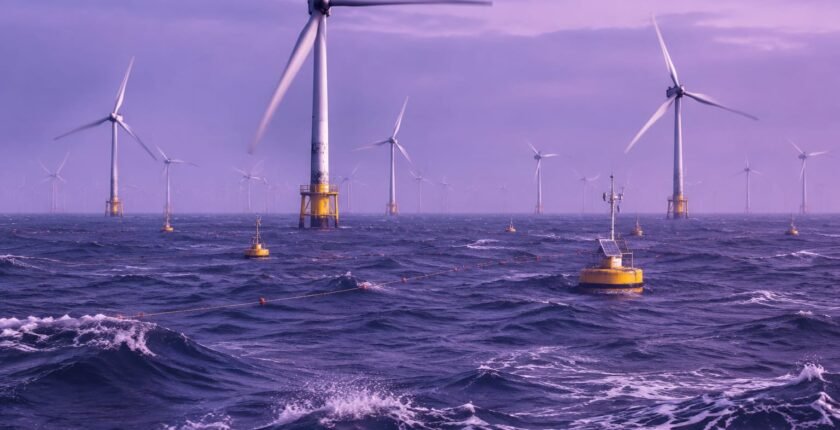
Eneco, the energy company that runs the Prinses Amaliawindpark, has made a decade of the site's operating records free for research use. The release covers the electricity each turbine produced, the status each machine reported, and the wind speeds recorded at the farm. Researchers reach it through a data platform run by the research organisation TNO, and they must register before downloading. Eneco's stated aim is practical. Models of how turbines and whole farms perform can be tested against a long stretch of real behaviour instead of relying on assumptions alone. Eneco announced the offshore wind farm data release on 23 November 2026.
Key takeaways
- What was released: Eneco has opened ten years of operating records from the Prinses Amaliawindpark to researchers at no charge.
- What it contains: The Prinses Amaliawindpark dataset holds electricity output for each turbine, turbine status records and measured wind speeds.
- Who hosts it: TNO hosts the Eneco dataset on its data platform, which also carries research and data from other organisations.
- How to get it: Anyone who wants to download the Eneco offshore wind data must first register on the TNO platform.
Table of contents
What a Decade of Prinses Amaliawindpark Records Holds
The dataset has three strands. The first is electricity generation, broken down turbine by turbine. That lets a researcher see which individual machines produced what, rather than a single figure for the whole farm.
The second strand is turbine status, the condition each machine reported over the period. The third is wind speed measured at the site. Together these give both sides of the equation: the wind that arrived and the power that came out.
The length of the record is the real asset. A short run of data can be skewed by one unusually calm or stormy stretch. Ten years of continuous operation gives analysts far more conditions to work with, and it makes slow trends visible.
Why Eneco Wants Models Tested Against Real Operations
Eneco says the release should help researchers and companies understand how an offshore wind farm behaves in practice. The goal it names is better efficiency, both for single turbines and for entire farms.
Much of wind engineering runs on models. These models rest on assumptions about wind, turbine behaviour and how machines affect one another. With a long operational record, a modeller can set those assumptions beside what actually happened and see where they diverge.
Eneco also points to reproducibility. Reproducibility means another team can take the same data, repeat an analysis and reach the same result. Studies built on private data cannot be checked this way. A shared public dataset gives different groups a common reference, so a claimed efficiency gain can be tested rather than taken on trust.
How Researchers Get Access Through TNO
Eneco worked with TNO, a research organisation, to put the data in public hands. It sits on TNO's data platform alongside studies and datasets supplied by other organisations. Access is free, but users must register first.
Several practical details remain open. Eneco has not set out, in its announcement, the time resolution of the readings, the exact years covered or the licence terms that come with registration. Each will shape what researchers can do with the data and whether commercial firms can build products on it.
The test of the release will be its use. Its value depends on published studies that cite it and on whether model assumptions change as a result.
Will the dataset change how offshore wind is modelled?
The case for
- Ten years of per-turbine output gives modellers a long baseline to test efficiency assumptions against.
- A shared public dataset lets independent teams repeat each other's analyses on identical inputs.
- Hosting on TNO's platform places the data beside other organisations' research, which makes it easier to find and combine.
The case against
- The records come from a single farm, so findings may not carry over directly to sites with different turbines or wind conditions.
- Registration conditions and licence terms have not been spelled out, which could limit commercial use.
- Without stated time resolution, it is unclear how fine-grained the analysis can be.
What to be careful about
- Conclusions drawn from one wind farm may be over-applied to other offshore sites with different layouts or turbine models.
- Gaps or errors in a ten-year operational record could pass into the models that rely on it.
- Unclear licence terms could leave companies unsure whether results built on the data can be used commercially.
The bottom line
Eneco's release is modest in format and significant in substance. Ten years of per-turbine output, status records and wind speeds from the Prinses Amaliawindpark give modellers something they often lack: a long, real record to test their assumptions against. Placing it on TNO's platform means separate research groups can work from identical inputs and check each other's results. The open questions are practical ones, namely the resolution of the readings, the years covered and the terms attached to registration. Those details will decide whether the dataset becomes a shared benchmark for offshore wind efficiency or a resource few people use. The first studies that cite it will show which.
What to watch
- Watch for the first published studies that cite the Prinses Amaliawindpark dataset; no date has been set.
- Watch whether Eneco or TNO publish the licence terms and the technical specification of the data; no date has been given.
- Watch whether other offshore wind operators place their own records on the TNO platform; nothing has been announced.
Frequently asked questions
Is the Eneco offshore wind dataset free to use?
Yes. Eneco has made the Prinses Amaliawindpark records freely available for research, though users must register on TNO's data platform before downloading.
What kind of data is in the Prinses Amaliawindpark dataset?
It holds ten years of electricity generation for each turbine, turbine status records and wind speed measurements from the offshore wind farm.
Why does TNO host the Eneco data?
Eneco partnered with TNO, a research organisation, to make the dataset public. TNO's platform already hosts research and datasets from other organisations, so the Eneco records sit alongside comparable material.
Related reading