
Blog
Offshore wind training faces uncertainty after federal pause
Estimated reading time: 5 minutes · Last updated:
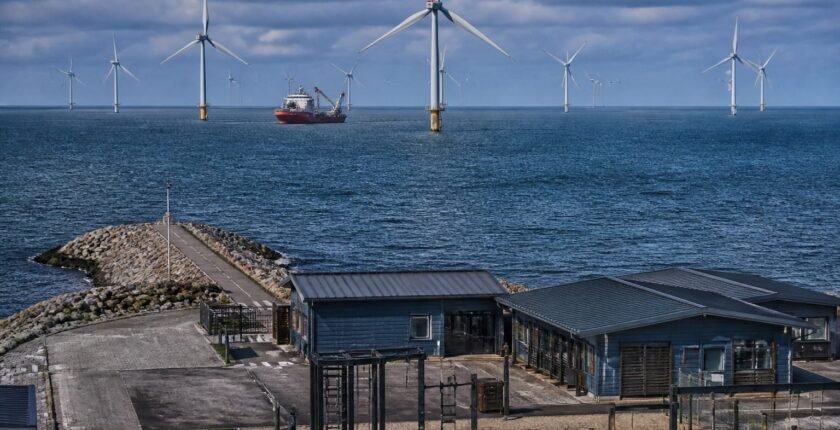
Offshore wind training programs that expanded after the 2021 federal 30 gigawatt target are now consolidating as policy and permitting actions have halted new projects. Training centres such as the National Offshore Wind Training Center have shifted away from first-time offshore-specific classes toward renewal and transferable skills like HVDC wiring and grid integration. As first reported by The Hechinger Report, the pause that began with the 20 January 2025 leasing order and subsequent stop-work notices has left roughly 6 gigawatts online or under construction while programmes keep teaching competencies useful across the power sector.
Key takeaways
- The Biden-era target set in 2021 sought 30 gigawatts of offshore wind by the end of the decade.
- Rapid expansion was estimated to require about 77,000 workers for construction, connection, operation and manufacturing.
- On 20 January 2025 the administration issued a pause on new offshore leases and permits, followed by stop-work orders on five projects.
- There are about 6 gigawatts of offshore wind online or under construction in U.S. waters — less than a third of the capacity previously approved for development.
- The SUNY Offshore Wind Training Institute received $20 million in funding and has shifted some classes toward broader HVDC and grid applications.
Table of contents
How a planned boom created dozens of training pipelines
After the 2021 federal goal to reach 30 gigawatts of offshore wind by the end of the decade, developers, unions, colleges and state agencies raced to build training capacity. The rapid ramp-up fed estimates that roughly 77,000 workers would be needed to construct farms, connect turbines with transmission, operate and maintain assets and manufacture large components. That demand underpinned partnerships linking universities, community colleges and unions with multinational developers and created programs from safety-certification courses to apprenticeships for turbine technicians.
The National Offshore Wind Training Center grew out of that push, offering hands-on safety and rescue training for people moving from onshore trades into marine construction. The Department of Energy warned of a workforce shortfall in a March 2024 report, and local workforce bodies planned multiple centres to meet projected demand. Those programmatic commitments rested on an active pipeline of leases and permits.
Policy shocks forced programs to refocus on transferable skills
Federal actions that began with the 20 January 2025 leasing pause and stop-work orders altered the market that training programs had been built to serve. With new projects delayed and some grants rescinded, centres are keeping afloat by teaching skills that apply beyond offshore wind. In practice that has meant more emphasis on HVDC wiring, high-voltage connections, offshore-capable safety certifications that are also valid for maritime and industrial work, and grid-integration topics that are relevant to solar, storage and transmission.
The SUNY Offshore Wind Training Institute, funded with $20 million, shifted particular classes — such as an HVDC wiring lab at Stony Brook — to broader applications like connecting solar farms and batteries to regional grids. Likewise, summer programs that initially showcased offshore sites now also teach microgrid development, welding and shipyard skills so trainees can move into onshore infrastructure or shipbuilding if offshore construction fades.
What the pause means for workers, unions and developers
For individual workers the immediate effect is mixed. Some graduates who earned safety certifications are working on projects already underway — for example on Sunrise Wind, which trainers expect will keep crews busy into 2027 — but many are returning to onshore construction or seeking placements in shipyards and aerospace. Union leaders and trainers report that enrolments increasingly consist of renewals; certifications at many centres remain valid for two years, so the current cohort is sustaining activity rather than expanding it.
For developers and funders the disruption raises the risk that investment will move elsewhere. Several developers named in training partnerships declined interviews, and the administration has both rescinded grants and begun buying out leases. That combination of halted approvals, legal fights and fiscal retrenchment has left roughly 6 gigawatts online or under construction — a fraction of prior plans — and it is the central reason many training programs are reorienting toward broadly useful grid and maritime skills. As ClearView Energy Partners’ Timothy Fox put it, “the swings are so dramatic that the pendulum’s going to fall off the clock.”
| Program | Lead partners | Current focus | Notable figure or status |
|---|---|---|---|
| National Offshore Wind Training Center | Suffolk County Community College; Long Island Federation of Labor; Orsted | Safety certifications, rescue, structural inspections; more renewals than first-time trainees | Certifications valid for two years |
| SUNY Offshore Wind Training Institute | State University of New York system; Stony Brook | HVDC wiring and grid integration shifted to broader applications | $20 million in funding |
| Pile Drivers Local Union 56 training | Pile Drivers Local 56; Deme; Massachusetts Clean Energy Center grants | Heavy-lift pile handling and offshore pile installation techniques | Large piles can weigh about 1,800 tons |
| State workforce programs | Massachusetts Clean Energy Center; Maryland workforce initiative | Pivoted from offshore-only to ocean tech, shipbuilding and related trades | State funds repurposed toward ocean-tech and coastal resilience |
Two scenarios for training and labour demand
The case for
- Projects already under construction keep crews employed into 2027 — trainers name Sunrise Wind, Vineyard Wind 1 and Revolution Wind as ongoing work that sustains demand.
- Skills taught in offshore courses, such as HVDC wiring and maritime safety, are directly transferable to solar-battery connections, shipbuilding and grid work, allowing programs to place trainees in related sectors.
The case against
- Continued federal rollbacks — paused leases, stop-work orders and rescinded grants — could deter developers from committing new U.S. projects and shrink the domestic pipeline.
- If developers view the U.S. market as persistently risky they may withdraw investment, reducing demand for specialised offshore labour and leaving training centres underused once current projects finish.
What to be careful about
- Training pipelines built for mass offshore hiring may lose economies of scale if enrolments fall and funding is withdrawn.
- Workers certified for offshore roles face a timing risk: current projects may finish (trainers expect work into 2027) before new projects begin, forcing many back to onshore construction.
- Developers’ lease buyouts and permit delays could blunt private investment, reducing the number of long-term maintenance and operations jobs that sustain a domestic supply chain.
The bottom line
Training programmes that expanded around an expected offshore wind boom are now managing a smaller, more uncertain market. A cluster of ongoing projects will keep some crews employed into 2027, but the broader pipeline is thinner than planners assumed. Centres are responding by teaching grid, HVDC and maritime skills that employers in solar, storage, shipbuilding and infrastructure also need. That pivot preserves options for trainees and unions but leaves the long-term scale-up of an American offshore-wind workforce dependent on whether federal policy and developer investment return to a growth trajectory.
What to watch
- Monitor completion of Orsted’s Sunrise Wind project in 2027, which will determine how long current crews remain needed.
- Watch for further federal actions on offshore leases and permits; no date has been set for additional decisions.
- Watch whether state training funds are reallocated toward ocean tech or grid-integration training; no date has been set.
Frequently asked questions
How many workers were projected for an offshore wind build-out?
The rapid ramp-up tied to the 2021 30 gigawatt target was estimated to require about 77,000 workers for construction, grid connection, operation and component manufacturing.
What federal actions most directly disrupted offshore projects?
On 20 January 2025 a leasing pause for new offshore permits was issued and the government later placed stop-work orders on five projects; courts overturned some measures but other steps — including rescinding grants and buying out leases — have reduced near-term activity.
Can skills from offshore wind training be used elsewhere?
Yes. Programs shifted classes such as HVDC wiring and marine safety toward broader applications, and state initiatives have placed thousands of trainees into related fields like shipbuilding and aerospace.
Related reading