
Blog
ABL to provide marine warranty services for Ostwind 4
Estimated reading time: 4 minutes · Last updated:
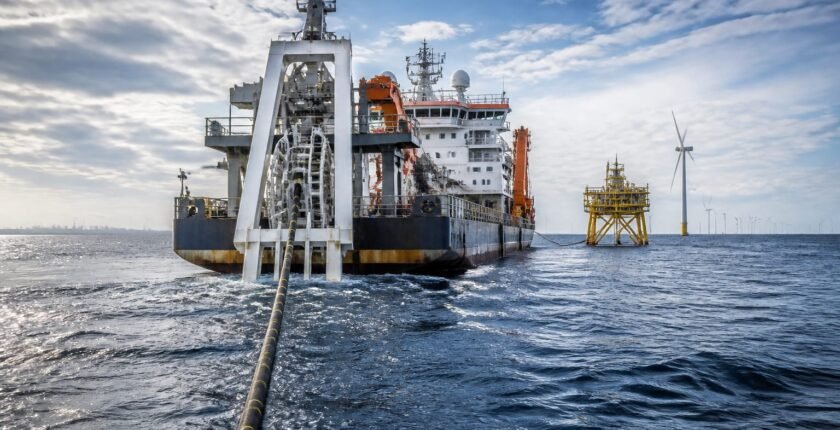
50Hertz has appointed ABL to deliver marine warranty survey services for the Ostwind 4 offshore grid connection, covering transportation and installation risk for subsea and offshore assets. Ostwind 4 will add targeted transmission capacity of up to 2 GW through an offshore converter platform, an onshore converter station and a 110 km subsea and onshore cable route. It will be the first deployment of a high‑voltage direct‑current (HVDC) transmission system in the German Baltic Sea, which introduces fresh technical and marine assurance challenges for cable‑laying and platform installation. ABL’s scope includes reviewing technical documentation, assessing proposed marine spreads, witnessing operations and approving warranted activities on site.
Key takeaways
- Appointment: 50Hertz has appointed ABL to provide marine warranty survey services for the Ostwind 4 offshore grid connection.
- Capacity: Ostwind 4 will add targeted transmission capacity of up to 2 GW to connect Baltic Sea wind to the mainland.
- Route: The project includes a 110 km subsea and onshore cable route plus offshore and onshore converter stations.
- HVDC first: Ostwind 4 will be the first deployment of an HVDC transmission system in the German Baltic Sea.
Table of contents
Why HVDC changes marine assurance
High‑voltage direct‑current transmission uses large converter modules and thicker, heavier cables than typical AC export systems, and that raises load, stability and burial demands during installation. The heavier hardware and different jointing procedures alter how vessels, cranes and dynamic cable control are selected and validated. Marine warranty surveyors therefore focus on spread suitability, operational limits and contingency plans before and during T&I to reduce the risk of damage or delay.
What ABL’s scope covers on Ostwind 4
ABL’s remit on Ostwind 4 spans reviewing technical documentation, approving procedures and assessing the proposed marine spread’s suitability for the planned operations. The firm says it will attend site to witness and approve all warranted operations, and to advise on operational constraints and mitigation measures for cable‑laying and platform commissioning. Those actions are designed to lower the chance of rework, insurance disputes and insurers' claims and schedule slippage during critical T&I windows.
How Ostwind 4 fits Germany’s grid expansion
Ostwind 4 is the fourth link in the Ostwind offshore grid programme and is intended to enable larger volumes of Baltic Sea wind to reach the mainland. Its targeted transmission capacity of up to 2 GW will provide a material increase in export capability for new wind farms. The project’s 110 km subsea and onshore cable route and converter stations mean cross‑discipline coordination across marine, civil and grid operators will be essential to meet acceptance and commissioning timelines.
Outlook
The case for
- Independent marine warranty survey work should reduce the likelihood of rework and insurance disputes during T&I, helping 50Hertz and contractors keep to schedule.
- Early validation of vessels, procedures and contingency plans will support insurer underwriting and give clearer operational limits for heavy cable and platform lifts.
The case against
- Novel HVDC jointing and heavier cable sections introduce technical risks that may reveal unforeseen engineering or burial issues during installation.
- Complex coordination across offshore contractors, onshore grid teams and regulators could still cause delays despite formal marine assurance activities.
What to be careful about
- Engineering or joint failures in HVDC cable joints during lay operations.
- Adverse weather or limited weather windows delaying cable‑lay or platform works.
- Interface risk between offshore installation progress and onshore grid acceptance or commissioning timelines.
The bottom line
ABL’s appointment removes a discrete layer of operational risk from Ostwind 4’s complex delivery chain by supplying formal marine assurance across the T&I phase. With a targeted transmission capacity of up to 2 GW and a 110 km cable corridor, the project combines heavy marine engineering with onshore grid integration and therefore benefits from early, documented approvals of vessels, procedures and contingency measures. For 50Hertz and its contractors, independent witness and approval of warranted operations aims to reduce litigation and repair costs, accelerate acceptance testing and support insurers’ underwriting. For policymakers and grid planners, the first HVDC deployment in the German Baltic Sea will offer a practical reference for standards and risk appetite on future offshore HVDC links. Project lessons should inform subsequent offshore policy.
What to watch
- Watch for 50Hertz to publish a detailed installation and commissioning schedule for Ostwind 4; no date has been set.
- Watch for ABL’s issuance of final approval or certificate records for warranted operations; no date has been set.
Frequently asked questions
What is Ostwind 4?
Ostwind 4 is the fourth project in the Ostwind offshore grid programme, designed to connect Baltic Sea wind farms to the mainland and provide targeted transmission capacity of up to 2 GW via an offshore converter platform, an onshore converter station and a 110 km cable route.
What does a marine warranty surveyor do?
A marine warranty surveyor like ABL reviews technical documentation, assesses the proposed marine spread, witnesses transportation and installation operations and issues approvals intended to lower the risk of damage, rework and insurance disputes during T&I.
Why does using HVDC matter for installation?
HVDC systems use heavier cables and large converter modules, which change load, burial and jointing requirements; those differences affect vessel selection, cable control and operational limits during cable‑lay and platform works.
Related reading