
Blog
Texas seeks geothermal, SMRs and gas on state land
Estimated reading time: 5 minutes · Last updated:
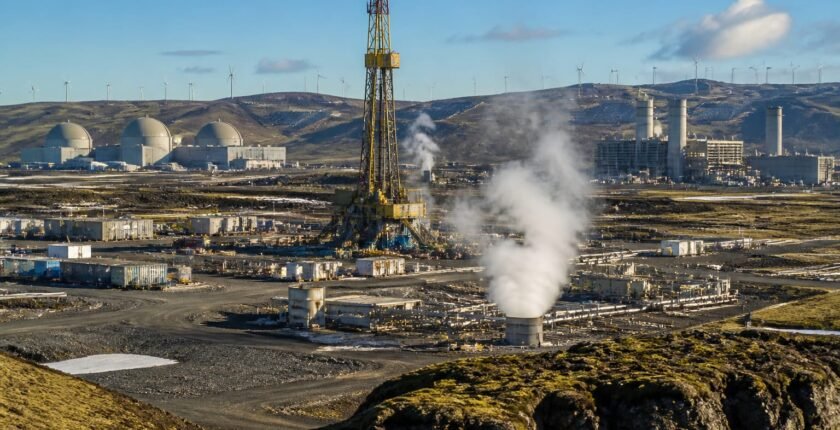
The Texas General Land Office has opened a Request for Information, according to KPRC Click2Houston, to gauge interest in building geothermal plants, small modular reactors (SMRs) and gas‑fired power on state land. The initiative seeks dependable and dispatchable capacity to support rising electricity demand on more than 13 million acres of state land and mineral rights, with revenue directed to the Permanent School Fund. The office frames the effort under its Texas Engine: Fueled, Fed and Fortified strategy and is asking which sites and technologies firms would propose and how projects might be developed.
Texas built its economy by putting our natural resources to work, and we cannot afford to stop innovation now. Our state needs dependable energy to power homes, businesses, manufacturing, and the next generation of American industries.
Dawn Buckingham
Key takeaways
- RFI launched: The Texas General Land Office has opened a Request for Information, according to KPRC Click2Houston, to measure interest in projects on state land.
- Technologies under review: Projects under consideration include geothermal energy, small modular reactors (SMRs) and gas plants.
- Scale of land holdings: The Texas General Land Office holds responsibility for managing over 13 million acres of state surface and mineral estate.
- Revenue destination: Revenue from development on state land would flow to the Permanent School Fund for Texas public schools.
Table of contents
What the land office is asking and why
The Texas General Land Office is using an RFI to identify companies, developers and technology providers that might use state land for new power projects, a step the office says will help determine which sites and development approaches are viable. The RFI is explicitly designed to find "dependable and dispatchable" capacity — a combination of always‑on generation and flexible plants that can ramp during demand spikes.
Using an RFI lets the office gather technical proposals, site constraints and developer interest before moving to leases or solicitations. The agency has framed the process as part of the Texas Engine: Fueled, Fed and Fortified strategy, which connects land use to economic, energy and national security objectives.
Who controls the land and who benefits
The Texas General Land Office manages the public acreage and mineral rights involved, and the land office said revenue from any development would be deposited into the Permanent School Fund for Texas public schools. The land office's RFI explicitly identifies the Permanent School Fund as the destination for proceeds from projects on state land.
Texas Land Commissioner Dawn Buckingham has made resource development a priority for the agency. Buckingham said, "Texas built its economy by putting our natural resources to work, and we cannot afford to stop innovation now. Our state needs dependable energy to power homes, businesses, manufacturing, and the next generation of American industries." The land office's RFI accompanies other work, including the office's involvement with USA Rare Earth's Round Top Mountain project in Hudspeth County, which the land office says is slated to begin commercial production in 2028.
The technologies under consideration
The land office's RFI seeks proposals for three project types: small modular reactors (SMRs), geothermal energy and gas-fired plants. The RFI defines SMRs as smaller nuclear reactors that produce electricity; it characterizes geothermal projects as systems that draw heat from below the Earth's surface to generate power; and it describes gas plants as units that "can step in when other sources fall short of demand." Each technology is presented as offering a different path to reliability: SMRs for steady baseload, geothermal for continuous renewable output where resources permit, and gas for dispatchable peaking or balancing capacity.
The text does not give technical specifications, capacity targets or site lists for any technology; instead it asks respondents to propose which state‑land sites might work and how a project could be developed. That leaves a wide range of technical and permitting questions to be answered by companies when they respond to the RFI.
Process, timeline and what it means for the grid
At this stage the land office will review RFI responses and then decide which locations and project types to pursue; the land office says next steps depend on the feedback received. The RFI is an early market‑scoping tool rather than a commitment to build specific projects or capacities, so any timetable for deployment will follow developer proposals, permitting and possible solicitations.
The office ties the move to rising electricity demand in Texas and a desire for a mix of steady and flexible generation. How projects would connect to the grid, secure transmission or meet ERCOT interconnection requirements is not detailed in the RFI and will be central to whether proposed sites can actually deliver reliability improvements.
| Technology | How it supports reliability | What the RFI asks |
|---|---|---|
| Small modular reactors (SMRs) | Compact nuclear units that provide steady, always‑on power | Interest from developers and suitable state‑land sites |
| Geothermal energy | Taps underground heat to make continuous electricity | Site suitability and development approaches |
| Gas plants | Dispatchable plants that can ramp when demand spikes | Proposals for fast‑ramping capacity and locations |
How the initiative could play out
The case for
- If developers identify sites that interconnect easily, projects could add dependable capacity that eases peak pressure on the ERCOT grid.
- Revenue from leases or projects would bolster the Permanent School Fund, as the land office intends.
The case against
- Permitting, community concerns and transmission constraints could delay or block projects even if developers express interest.
- The RFI is non‑binding; without clear procurement or financing pathways, proposals may not translate into built capacity.
What to be careful about
- Site suitability and subsurface conditions could rule out geothermal or SMR options on parcels the office prefers.
- Transmission capacity and ERCOT interconnection timelines could make otherwise viable projects unusable for near‑term reliability.
- Local permitting, environmental review or public opposition could extend timelines or stop projects.
- The RFI does not guarantee procurement, so developer interest may not convert into built projects.
The bottom line
The land office RFI is an early, non‑binding step to find companies and site concepts that could add dependable and dispatchable capacity on state land. It preserves multiple technology pathways — geothermal, SMRs and gas — while tying potential revenue to the Permanent School Fund. Much depends on what developers propose: technical feasibility, transmission access and permitting will determine whether any proposals translate into built projects that ease pressure on Texas’s growing grid.
What to watch
- Watch for the Texas General Land Office to publish a summary of RFI responses; no date has been set.
- Watch for any solicitation or lease announcement that follows the RFI; no date has been set.
- Watch for site proposals tied to Round Top Mountain developments and any updated production timelines; no date has been set.
Frequently asked questions
Which projects is the Texas General Land Office considering for state land?
The RFI seeks proposals for geothermal energy, small modular reactors (SMRs) and gas plants. It defines SMRs as smaller nuclear reactors that produce electricity and describes geothermal projects as those that extract subsurface heat to generate power.
How much land could be affected and who benefits?
The Texas General Land Office is responsible for more than 13 million acres of state land and associated mineral rights, and the land office says revenue from any development would go to the Permanent School Fund for Texas public schools.
Is there a timetable for any project to reach production?
The RFI does not provide deployment timetables for the projects it seeks, but it notes that USA Rare Earth's Round Top Mountain project in Hudspeth County is slated to begin commercial production in 2028.
Related reading