
Blog
Xiaomi EV Europe push could lift wind energy demand
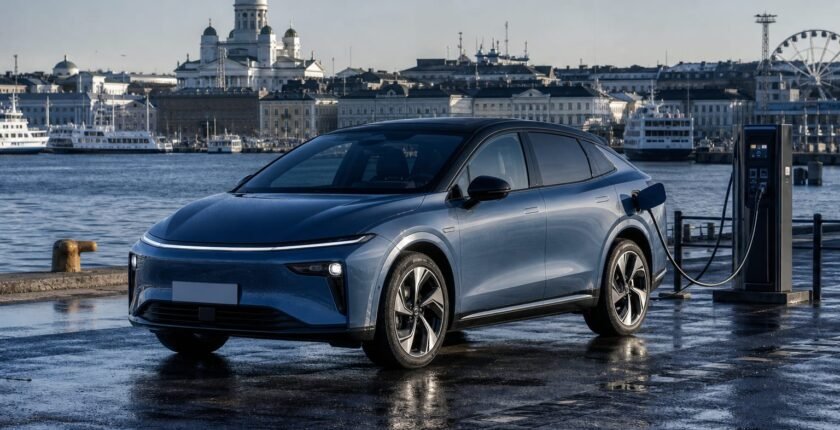
Estimated reading time: 4 minutes · Last updated: 2026-08-19
Xiaomi is scaling its electric-vehicle business and positioning for a European entry that the company aims to reach by 2027, Reuters News reported on August 19, 2026. The move combines Xiaomi’s EV development with investments in artificial intelligence and talent hires from established automakers such as BMW, according to the coverage. As first reported by Reuters News, the expansion raises a practical question for regional power planners: adding Xiaomi EVs at scale will increase electricity demand and so create potential new markets for renewable generators, including wind energy. This article explains how Xiaomi’s strategy links to power demand and what that could mean for wind developers in Europe.
Key takeaways
- Reuters News reported on August 19, 2026 that Xiaomi is pushing its electric-vehicle business as part of a broader growth strategy.
- Automotive News links show Xiaomi targets Europe sales by 2027 as it builds EV capabilities.
- Xiaomi has recruited executives from BMW for its European EV research efforts, a signal of its hiring strategy.
- A Bloomberg image accompanies coverage of Xiaomi’s retail expansion in China, cited on the Automotive News page.
Table of contents
What Xiaomi is planning for Europe and what Reuters reported
Reuters News on August 19, 2026 described Xiaomi’s intensifying focus on electric vehicles and artificial intelligence as the company seeks new growth outside its core electronics business. The company has set a target to start selling cars in Europe by 2027, according to links on the Automotive News page. That timetable and the reported hires signal Xiaomi intends not merely to export cars but to establish research and support capacity in the region. For power and grid planners, the practical implication is straightforward: more EVs sold and operated locally raises peak and overall electricity consumption, and that incremental demand must be met by generation or demand-management measures.
How Xiaomi’s hiring and product strategy could alter demand patterns
The material notes Xiaomi recruiting BMW executives to its European EV research centre, showing the company is importing experienced automotive talent to speed product development. Bringing such capacity to Europe typically means local testing, customer support and charging deployments follow, which tend to concentrate electricity demand in particular urban and suburban corridors. Those concentrated loads are precisely where grid operators consider new generation and storage options. Wind Energy suppliers could be part of the supply mix for incremental megawatt-hours if planners prioritise renewables to meet transport electrification while cutting carbon.
Practical link to wind: timing, intermittency and grid planning
Wind generation is already a material share of many European grids, but adding EV charging at scale shifts the planning problem toward matching variable supply with new demand. If Xiaomi’s Europe sales ramp in 2027 occurs as signalled, grid operators and developers will face a twofold task: provide capacity for weekday evening charging peaks and integrate variable wind output through storage, flexibility services or curtailment changes. The result is opportunity for developers to bid wind, paired storage, or contracted clean energy for fleets and charging networks that global OEMs bring to market.
| Item | Source in material | Date or target |
|---|---|---|
| Xiaomi Europe sales target | Automotive News links citing Xiaomi plans | 2027 |
| Reporting byline | By Reuters News | August 19, 2026 |
| Photo credit | BLOOMBERG | undated |
What could move this either way
The case for
- If Xiaomi meets its 2027 Europe target, EV volumes will create sustained additional electricity demand that wind developers can contract with charging operators or corporate buyers.
- Xiaomi’s hires from BMW could accelerate local product launches and lead to coordinated charging infrastructure deployments, improving the commercial case for renewable generation paired with storage.
The case against
- Regulatory or market-entry delays in Europe would push Xiaomi’s ramp back past 2027 and reduce near-term demand growth for new generation.
- If charging growth emphasises unmanaged fast charging tied to fossil-heavy grid hours, wind output may be less able to serve that new demand without additional storage or market changes.
What to be careful about
- European market-entry delays or regulatory hurdles that slow Xiaomi’s sales ramp beyond the 2027 target.
- Mismatch between wind generation profiles and EV charging peaks unless paired storage or demand-side measures are deployed.
- Competition from incumbent automakers and charging providers that could limit Xiaomi’s market share and the scale of new load it brings.
The bottom line
Reuters’ August 19, 2026 coverage spotlights Xiaomi moving from consumer electronics toward a full EV strategy with a 2027 Europe target and targeted hires from BMW. For wind energy participants the question is practical: will that EV rollout be large, localised and managed in ways that allow renewable generators to supply it? The answer depends on Xiaomi’s execution, how charging is deployed and whether grid planners pair renewables with storage or flexible demand services; each is a distinct lever that will determine whether Xiaomi’s arrival expands markets for wind in Europe.
What to watch
- Watch for Xiaomi’s announced Europe sales launch timing and product list for 2027; Reuters cited a 2027 sales target.
- Watch for formal filings or press releases detailing the roles and start dates of BMW executives recruited by Xiaomi; no date has been set in the material.
- Watch for announcements from European grid operators on procurement or tender rounds that reference auto-makers' charging demand; no specific date was given.
Frequently asked questions
What did Reuters report about Xiaomi on August 19, 2026?
Reuters News reported on August 19, 2026 that Xiaomi is accelerating its electric-vehicle push, combining EV development with artificial intelligence and recruiting automotive talent as it targets Europe sales by 2027.
Why could Xiaomi’s Europe push matter to wind developers?
If Xiaomi scales EV sales in Europe as signalled for 2027, the added electricity consumption from charging could create new offtake opportunities for renewable generators such as wind, especially where corporate contracting or local procurement is used to meet transport electrification.
What concrete signals from Xiaomi suggest a Europe ramp?
The material cites Xiaomi targeting Europe sales by 2027 and notes recruitment of BMW executives for a European EV research centre, both of which indicate plans to localise development and support for European markets.
Related reading