
Blog
California hydropower needs policy updates
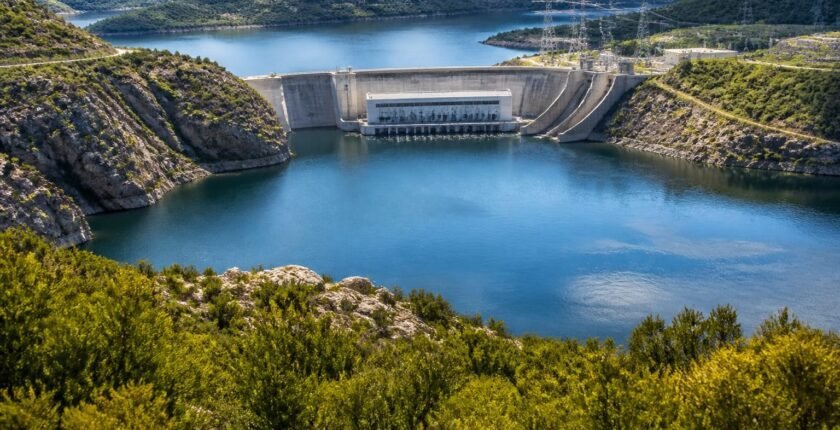
Estimated reading time: 4 minutes · Last updated:
Bruce McLaughlin, general manager of the Power and Water Resources Pooling Authority (PWRPA), argues that California hydropower policy must be updated so the state recognises large hydropower’s role in both water management and electricity supply, as first reported by Capitol Weekly. He says hydropower stores and moves water while also generating affordable, reliable electricity that keeps bills lower for households, farms and businesses. McLaughlin highlights two practical barriers: large hydropower facilities can fall outside key Renewable Portfolio Standard (RPS) definitions, and federal relicensing timelines often stretch for nearly a decade. He calls on California’s delegation, including Senator Alex Padilla, to pursue RPS changes and streamlined relicensing that align policy with operational reality.
Key takeaways
- Author and role: Bruce McLaughlin, general manager of the Power and Water Resources Pooling Authority (PWRPA), wrote the opinion urging policy changes.
- RPS gap: Large hydropower still falls outside key definitions in California’s Renewable Portfolio Standard, meaning not all hydropower resources count toward RPS targets.
- Relicensing delay: McLaughlin says federal hydropower relicensing typically takes nearly a decade, delaying upgrades and safety work.
- Policy ask: The piece asks California’s federal delegation, including Senator Alex Padilla, to help update RPS rules and speed relicensing.
Table of contents
How hydropower supports both electricity and water systems
Hydropower in California is integrated with the state’s water infrastructure: reservoirs store water that serves homes, farms and ecosystems, and the same flows are used to produce dispatchable electricity. That dual role means upgrades to dams and related equipment can improve both water distribution and the reliability of the grid. Bruce McLaughlin emphasises that hydropower’s operational flexibility helps balance variable renewables and keeps retail bills lower for many communities.
Because many hydropower facilities were built decades ago, operators periodically seek modernisation projects that improve efficiency, safety and environmental mitigation. Those projects can increase generation when it is most needed and can reduce spill or other wasteful releases, producing both energy and water-management benefits. McLaughlin frames this as a practical water‑energy connection that current policy does not always recognise.
Key phrase: reliable, affordable electricity
The policy mismatch: RPS rules and procurement signals
McLaughlin argues that California’s Renewable Portfolio Standard does not consistently treat large hydropower as a qualifying resource, and that omission sends mixed procurement signals to utilities, water districts and agricultural operators. When a resource does not count toward RPS targets, utilities have less incentive to prioritise investments or long-term contracting for those facilities even if they provide grid services and seasonal water management.
Changing RPS definitions would primarily be a state-level action that adjusts how utilities measure compliance and plan procurement. McLaughlin frames the ask as aligning the programme’s accounting and procurement incentives with the operational value hydropower delivers, rather than creating new subsidies. The practical effect would be clearer demand signals for upgrades and for preservation of facilities that provide both water and power services.
Key phrase: RPS definitions
Federal relicensing is the operational bottleneck for upgrades
Relicensing of federally licensed hydropower projects is intended to ensure public safety and environmental compliance, but McLaughlin warns the process can take a very long time. He notes that relicensing often involves multiple federal reviews and consultations and says the overall timeline can extend to nearly a decade, which delays investments intended to improve generation efficiency and safety.
Lengthy federal timelines matter because projects use the relicensing window to pursue equipment replacements and environmental enhancements that otherwise would be difficult to permit. When relicensing takes years, planned turbine upgrades, safety retrofits and mitigation measures are deferred, postponing both grid and water benefits. McLaughlin urges California’s congressional delegation, including Senator Alex Padilla, to pursue procedural reforms that preserve review rigour while narrowing unnecessary delay.
Key phrase: relicensing delays
How reform could play out
The case for
- State action to clarify RPS treatment for large hydropower would create procurement certainty and could encourage utilities and water agencies to plan upgrades.
- Procedural reforms to federal relicensing that shorten timelines would let operators schedule efficiency and safety projects during the relicensing period, delivering earlier grid and water benefits.
The case against
- Efforts to redraw RPS definitions may face legal or stakeholder challenges from environmental groups or competing generators that could slow implementation.
- Federal permitting and consultation involve multiple agencies and statutory requirements; trimming timelines without careful design could provoke litigation or unintended compliance gaps.
What to be careful about
- Delays in relicensing postpone equipment upgrades that improve both generation efficiency and dam safety.
- If RPS rules are adjusted without broad stakeholder buy-in, utilities and regulators may face contested compliance interpretations.
- Mixed policy signals could reduce investment in hydropower facilities that supply both irrigation and grid services, increasing costs for some customers.
The bottom line
The practical case McLaughlin makes is straightforward: hydropower provides both water management and grid services, but current rules and processes do not always reward that dual value. Updating RPS accounting for large hydropower and finding ways to shorten the relicensing timeline are presented as complementary fixes—state action to adjust procurement metrics plus federal process improvements to accelerate needed upgrades. McLaughlin frames the choice as pragmatic rather than ideological: if policy matches operational reality, utilities, water districts and farmers can better plan investments that preserve reliability and affordability.
What to watch
- Watch whether California energy regulators or the legislature open a rulemaking on RPS accounting for large hydropower; no date has been set.
- Watch for bills from California’s congressional delegation proposing changes to hydropower relicensing procedures; no date has been set.
Frequently asked questions
Why does the author say hydropower matters for both water and electricity?
Bruce McLaughlin notes that reservoir storage and controlled releases support irrigation and municipal water use while the same flows drive turbines to produce dispatchable electricity; he frames that connection as a reason to align water infrastructure planning with energy policy.
What is the specific policy gap McLaughlin highlights?
McLaughlin points to California’s Renewable Portfolio Standard, saying large hydropower can fall outside key RPS definitions so not all hydropower resources count toward targets, which weakens procurement signals for those facilities.
How long does relicensing take and why does it matter?
The opinion states that federal relicensing often takes nearly a decade; prolonged relicensing delays upgrades to turbines and safety measures that would improve generation efficiency and water operations.
Related reading