
Blog
Pylontech Starts Mass Production of 588Ah and 601Ah LFP Cells
Estimated reading time: 3 minutes · Last updated:
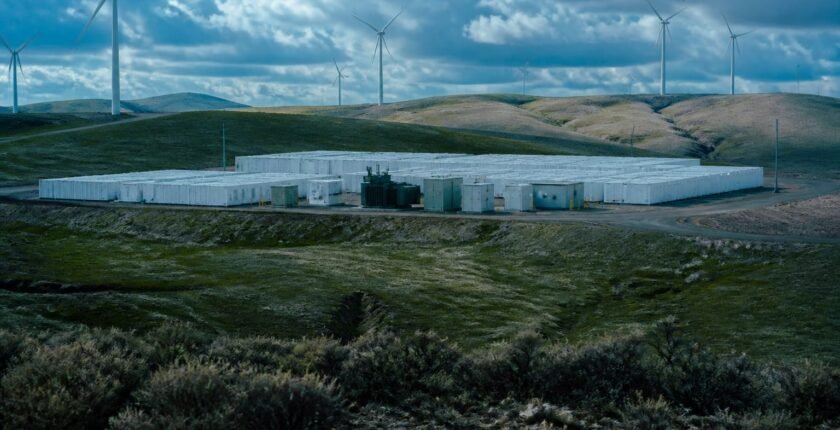
Pylontech has begun mass production of two large-format lithium‑iron‑phosphate (LFP) cells rated at 588Ah and 601Ah for use in energy storage systems (ESS). Pylontech's announcement names both cell sizes and associates the larger 601Ah cell with a Pylontech energy-storage product line. Large-format LFP cells are intended to raise pack energy density and simplify system integration for utility and commercial ESS installations. The announcement also outlines what those cell ratings imply for ESS projects, describes how the company presents its PyOcean system alongside the 601Ah cell, and identifies the open questions that remain from the published information.
Key takeaways
- Mass production: Pylontech has started mass production of 588Ah and 601Ah LFP cells.
- Product link: Pylontech presents a PyOcean energy storage product associated with a 6.4MWh system and the 601Ah cell.
- Cell class: The cells are large-format LFP chemistry intended for energy storage systems (ESS).
Table of contents
What Pylontech announced and the products involved
Pylontech announced mass production of two large LFP cell formats: 588Ah and 601Ah. Those two amp‑hour ratings are the only technical figures provided alongside the production start; the announcement also links the 601Ah design to a Pylontech energy storage product described with a 6.4MWh name. LFP denotes lithium‑iron‑phosphate chemistry, a cell chemistry that trades lower nominal energy density for thermal stability and long cycle life, and ESS means energy storage systems used at utility, commercial or industrial scale. The company name and the cell ratings are the central, confirmed points available from the published notices.
keyPhrase":"Pylontech announced mass production of two large LFP cell formats: 588Ah and 601Ah."} ,{
Why 588Ah and 601Ah matter for energy storage system design
A cell rated at several hundred amp‑hours changes how engineers design racks and modules: fewer parallel strings are needed to reach a target megawatt‑hour capacity, and packaging and BMS architecture can be different from designs built around smaller cells. The announcement gives the amp‑hour ratings but does not publish per‑cell energy in kilowatt‑hours, form factor, or cycle‑life test data, so sizing an actual pack from the figures alone is not possible. System architects will still need cell voltage, usable depth of discharge and validated cycle life to translate 588Ah or 601Ah into delivered megawatt‑hours for a project.
keyPhrase":"The announcement gives the amp‑hour ratings but does not publish per‑cell energy in kilowatt‑hours, form factor, or cycle‑life test data."} ,{
How this fits with Pylontech’s PyOcean and market context
Pylontech’s linked product name appears alongside a 6.4MWh system reference, indicating the company is positioning the 601Ah cell for multi‑megawatt‑hour installations. The broader field of large‑format cells is already active: related notices in the same publishing feed mention other firms and large cell programmes. The immediate implication is product lineage—Pylontech offering both cells and packaged systems—but the public statements stop short of giving production capacity, target markets by region, or commercial terms, leaving commercial rollout timing and competitive positioning to be announced later.
keyPhrase":"Pylontech is positioning the 601Ah cell for multi‑megawatt‑hour installations."}],
comparisonTable":{"caption":"Reported products and reported sizes","columns":["Product","Reported size"],"rows":[["588Ah LFP cell","588Ah"],["601Ah LFP cell","601Ah"],["PyOcean energy storage system","6.4MWh"]]},
outlook":{"heading":"Case for and against rapid uptake","positive":["Higher amp‑hour cells can cut the number of modules per pack and reduce balance‑of‑system complexity for large ESS projects." ,"Pylontech pairing a 601Ah cell with a named 6.4MWh product suggests the company plans turnkey offers for multi‑MWh deployments."],"negative":["Public statements lack per‑cell energy (kWh), cycle life and thermal data needed to confirm system‑level benefits." ,"Scaling mass production can expose manufacturers to supply‑chain and quality control risks that delay project deliveries."]},
risks":[